Embark on a humorous yet relatable journey into the chaotic world of DIY computer upgrades, where tangled cables, incompatible parts, and unexpected setbacks turn a simple task into a full-blown adventure. This lively exploration reveals that while the promise of faster performance beckons, the reality often includes static shocks, stubborn screws, and a web of misfitting components. Are you prepared to navigate this delightful mess and uncover your inner tech hero? The narrative emphasizes that each mishap, from troubleshooting BIOS to managing budget constraints, becomes part of a memorable learning experience. With humor and resilience, readers are guided through the unpredictable process—highlighting that chaos, patience, and a sense of humor are essential tools for transforming frustrating failures into satisfying victories. So, are you ready to embrace the wild, unpredictable ride of DIY upgrades and emerge more confident in your tech prowess?

Embrace the Chaos: The Humorous Journey of DIY Computer Upgrades
Upgrading a computer might sound like a straightforward task—just swap out a few parts, press the power button, and you’re done. But anyone who’s actually tried it knows the reality is often much messier. You start with high hopes, maybe watching a quick tutorial or reading a guide, imagining it will be quick and simple. Before long, you’re knee-deep in a jumble of cables, searching for the right screwdriver, and questioning whether that tiny screw actually belongs to your hard drive. It’s a scene that’s all too familiar: a cluttered desk, blinking lights on your open case, and that quiet sense that you’ve stepped into a world where technology and chaos collide.
There’s a strange kind of charm in these moments, even when they’re frustrating. The promise of a faster, more powerful machine often turns into a comedy of errors—misplaced screws, incompatible parts, or forgotten steps like disconnecting the power. It’s easy to feel overwhelmed when faced with a tangle of wires that look more like spaghetti than an organized setup. Still, these mishaps tend to turn into funny stories later, reminders that even tech pros learned the ropes through trial and error. Every tangled cable or misfit part becomes part of the journey.
The experience isn’t just about hardware. It’s also about the chaos—those frantic moments searching for the right tool, the surprise static shock zapping your delicate components, or the panic when a component refuses to be recognized. These little setbacks make the process more than a technical task; they turn it into an adventure filled with surprises. And while frustration can creep in, many find humor in the mess, seeing it as a necessary part of learning and growing as a DIY enthusiast.
Many who start out on their upgrade journey quickly realize that things rarely go as smoothly as they hope. Instead of a quick swap, you find yourself wrestling with stubborn screws or tangled cables that resist every attempt to free them. Sometimes, a new graphics card doesn’t fit because it’s just a little too big, or you install RAM only to find it’s incompatible. Static shocks seem to lurk around every corner, ready to fry your hardware if you forget to ground yourself. Troubleshooting becomes a marathon of BIOS tweaks, driver updates, and reseating parts.
Despite these hurdles, the chaos often leads to humorous stories you’ll share later—like the time a careless move knocked over a glass of water onto an open PC or when you spent hours trying to get that new GPU to fit only to realize you forgot to remove a side panel. These moments of chaos become badges of honor, proof that you’re learning the ropes—sometimes in the noisiest, most tangled way possible. The key is to embrace the mess, keep a sense of humor, and remember that setbacks are just part of the process.
In the end, the chaos of DIY upgrades is unavoidable, but it’s also what makes the journey memorable. Every misstep, tangled wire, or incompatible part adds to your story—one of patience, perseverance, and a good laugh. These experiences turn a simple hardware upgrade into a personal adventure, showing that sometimes, the best lessons come from the most chaotic moments. So if your upgrade doesn’t go perfectly, know you’re not alone—and that every tangled cable is just another step toward becoming a more confident, capable tech DIYer.
Mastering the Upgrade Puzzle: Step-by-Step Challenges and Triumphs
Once you decide to upgrade your computer, the first step is understanding what’s involved. It’s not just about swapping out parts; it’s about knowing how everything fits together and what to expect along the way. The process usually starts with some research—checking compatibility between your existing components and the new hardware. Will that graphics card fit in your case? Does your power supply have enough wattage? Will the new RAM work with your motherboard? Skipping these checks can lead to frustrating surprises and unexpected expenses down the line.
After confirming compatibility, gather your tools and prepare your workspace. A good screwdriver, an anti-static wristband, and ample lighting make a huge difference. Disassembly is often trickier than it looks, especially if you’re new to it. Carefully removing screws, disconnecting cables, and handling delicate components requires patience and a steady hand. It’s easy to get tangled in a web of cables that resist your efforts or to struggle with stubborn screws that won’t budge. Staying organized and taking your time helps prevent accidental damage.
The installation phase is where things tend to get interesting. Sometimes, parts don’t seat properly, or you discover that your new hardware physically doesn’t fit—like a graphics card that’s just a little too big for your case. Static shocks are a sneaky threat, capable of frying sensitive components if you forget to ground yourself. Troubleshooting these issues often involves reseating parts, updating BIOS settings, or searching online for solutions. Each hiccup turns the upgrade into a puzzle that tests your patience and problem-solving skills.
Once everything is installed, testing begins. Powering up the system reveals whether your efforts paid off. If the system recognizes the new hardware and boots smoothly, it’s a small victory. But if it doesn’t, you’ll need to double-check connections, update drivers, or tweak BIOS settings. Often, the cause is a tiny detail—like a loose cable or an improperly seated RAM module—that’s easy to overlook but crucial. These moments remind you that even the simplest upgrades require attention to detail.
Throughout the process, static electricity remains a constant threat. A tiny shock can damage your motherboard or RAM, turning what should be a quick upgrade into a costly mistake. Proper grounding and working on anti-static mats are essential, but it’s easy to forget in the rush to finish. Balancing careful handling with troubleshooting on the fly makes the upgrade feel like a delicate dance—sometimes graceful, sometimes awkward.
Every upgrade comes with surprises—hardware incompatibilities, missing screws, or components arriving dead on arrival. These setbacks teach patience and resilience, turning what seems like a straightforward task into a mini adventure. With each challenge, you learn more about your hardware and how it all fits together, building confidence for future upgrades. In the end, understanding the steps and potential pitfalls transforms a daunting project into a rewarding experience, making every successful upgrade a small victory over chaos.
The Unexpected Reality: Tales of Hardware Mishaps and Hilarious Setbacks
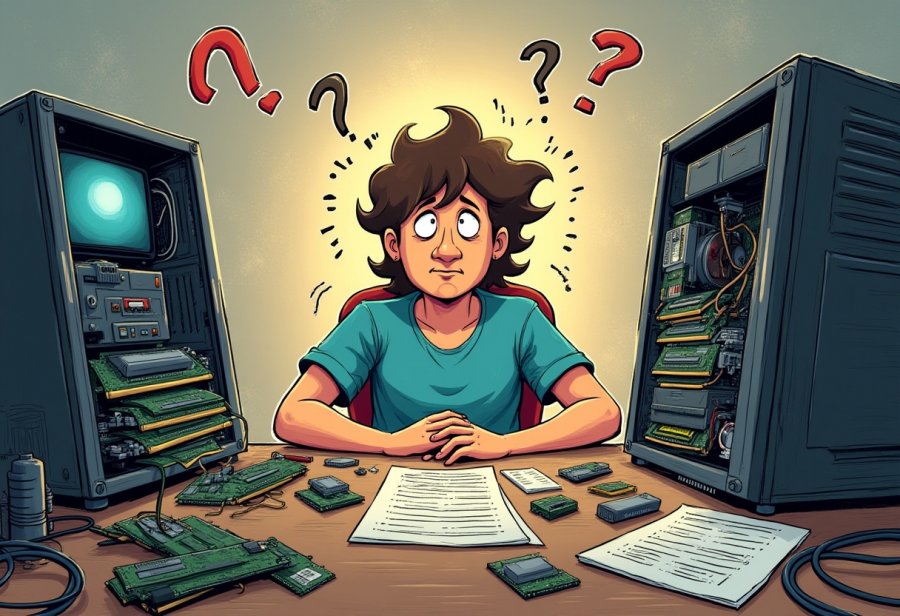
When you finally dive into your upgrade, reality tends to hit harder than expected. Instead of a neat, straightforward swap, you often find yourself tangled in a web of cables that seem to have a life of their own, twisting and looping in every direction like spaghetti gone rogue. A stubborn screw might refuse to budge, or you discover that your shiny new graphics card is just a little too big for your case. These surprises turn what should be a quick project into an exercise in patience and improvisation, with each step feeling like a mini adventure in problem-solving.
Hardware mishaps are almost a given. You might install new RAM only to realize it’s incompatible, or find that your graphics card doesn’t fit because of case limitations. Static shocks are lurking nearby, ready to fry sensitive components if you forget to ground yourself properly. Troubleshooting becomes a marathon of reseating parts, updating BIOS, or flipping through online forums for solutions. Every small mistake—like a loose cable or an improperly seated module—can cause hours of head-scratching and frustration, but each fix adds to your growing knowledge and confidence.
The funniest part? Many of these setbacks turn into stories you’ll laugh about later. Maybe you spent hours trying to get that new GPU to fit, only to realize you forgot to remove the side panel. Or you spent ages diagnosing why your system refused to recognize the new RAM, only to find a loose cable or a misaligned stick. These chaotic moments are universal, and while they’re frustrating in real time, they become badges of honor afterward—proof that even seasoned DIYers stumble and learn from their mistakes.
Amid the chaos, a strange camaraderie develops. Everyone who’s attempted a PC upgrade has faced similar hurdles—hardware that refuses to cooperate, compatibility surprises, or tools that seem to vanish into thin air. These experiences teach patience and problem-solving, and they remind us that perfection isn’t always possible on the first try. Sometimes, the process involves a lot of trial and error, a few swear words, and a lot of troubleshooting, but each misstep is part of the learning curve.
In the end, these chaotic moments are what make upgrading memorable. Every tangled cable, misfit part, or unexpected glitch adds to your story—one of persistence and humor. When everything finally clicks into place, and your system runs faster and smoother, the chaos melts away, replaced by a satisfying sense of achievement. It’s these messy, unpredictable experiences that turn a simple hardware swap into a true DIY adventure, reminding you that sometimes, the best lessons come from the most chaotic moments.
Budget Smart: Navigating Costs and Getting the Best Bang for Your Buck
When you’re planning a computer upgrade, understanding the costs involved is just as crucial as knowing the technical steps. The good news is that many improvements, like adding a solid-state drive or extra RAM, don’t have to drain your wallet. These smaller upgrades often cost less than a hundred dollars and can deliver noticeable performance boosts. However, if you’re aiming for high-end graphics cards or top-tier motherboards, be prepared for a steeper price tag that can run into hundreds or even thousands. It’s easy to get tempted by shiny, new hardware, but sticking to a budget keeps the process manageable and prevents financial surprises from turning your upgrade into a stress test.
Valuing your components is equally important. Sometimes, investing a little more upfront in quality parts pays off in the long run. Reliable power supplies and well-reviewed graphics cards might cost more initially but tend to last longer and perform more consistently. Cheaper, low-quality options might seem tempting, but they often lead to headaches like system crashes or hardware failures that end up costing more later. Focusing on your actual needs—whether it’s faster boot times, gaming performance, or extending your PC’s lifespan—helps you allocate your budget wisely, ensuring each dollar is working toward your upgrade goals.
Smart shopping can stretch your dollar even further. Buying refurbished or gently used components from reputable sources can save a significant amount of money without sacrificing reliability. Waiting for sales during holiday seasons or special promotions is another effective way to get more bang for your buck. These deals make high-quality hardware more accessible and allow you to prioritize the most impactful upgrades without breaking the bank. Planning your purchases around these opportunities helps you maximize value and keeps your project within a realistic financial scope.
Setting a clear budget before you start is essential to avoid overspending. Knowing your limits helps you focus on the most critical upgrades—like prioritizing an SSD for faster load times or adding more RAM to improve multitasking—without getting sidetracked by unnecessary features. This discipline not only keeps your spending in check but also ensures your upgrade delivers the most noticeable benefits. It’s about balancing ambition with practicality, so your investment translates into tangible performance gains without creating financial stress.
Don’t forget that the upgrade process can involve more than just hardware. You might need tools such as screwdrivers, anti-static mats, or cable management supplies, which can add to your expenses. Sometimes, hiring a professional for tricky installs can be a worthwhile investment, especially if you’re new to DIY upgrades. Weighing these additional costs against your comfort level and time constraints helps you make smarter choices. Keeping a close eye on your overall budget ensures your upgrade remains practical, enjoyable, and free from unexpected financial chaos.
From Fast Boots to Tangled Cables: Real-Life Adventures in Upgrading Your PC
Upgrading your computer might seem like a behind-the-scenes tech task, but its effects on daily life can lead to some pretty funny and relatable moments. Maybe your new SSD speeds up your startup time, but now you’re tapping your fingers impatiently, waiting for your favorite app to load—like it’s a caffeine-fueled race. Or perhaps a fresh graphics card makes gaming smoother, only to be met with a tangled mess of cables that looks more like a spaghetti feast than a tidy setup. These small changes can turn routine activities into small adventures filled with surprises.
On a practical level, better hardware can make everyday tasks feel less like a chore. A faster SSD means your computer boots up almost instantly, so you’re not stuck staring at the loading screen during those quick coffee breaks. More RAM helps with multitasking—no more waiting forever when you juggle several browser tabs, streaming videos, and work documents at once. Even simple things like browsing or streaming become smoother, making the chaos of the upgrade process worth it in the end.
Sometimes, the real humor shows up in the little chaos that accompanies upgrades. Take cable management, for example. After installing a new graphics card, suddenly your desk looks like a spaghetti factory exploded. Every cable seems to have a mind of its own, looping and twisting in unexpected ways. You spend more time untangling those wires than actually installing the hardware. It’s a small chaos that’s surprisingly common, but it’s also pretty funny once you look back on it.
Another amusing moment happens when hardware upgrades don’t go as planned. Maybe you install a new graphics card only to realize it’s just a little too big for your case, or your system refuses to recognize the new RAM. Instead of quick wins, you get a series of troubleshooting sessions—checking BIOS settings, reseating components, or even frantically searching forums for solutions. These moments of frustration often turn into stories you’ll share later, with friends or online, about the great “upgrade chaos.”
But the most satisfying part is when everything finally works—your system hums along faster, quieter, and more reliable. Suddenly, tasks that used to take ages—like opening large files or launching applications—are now instant. That feeling of a smoother, more responsive machine can make even the messiest upgrade worth it. It’s these small victories that turn chaos into a story of progress, reminding you that patience and humor are the best tools in your upgrade kit.
About the Author