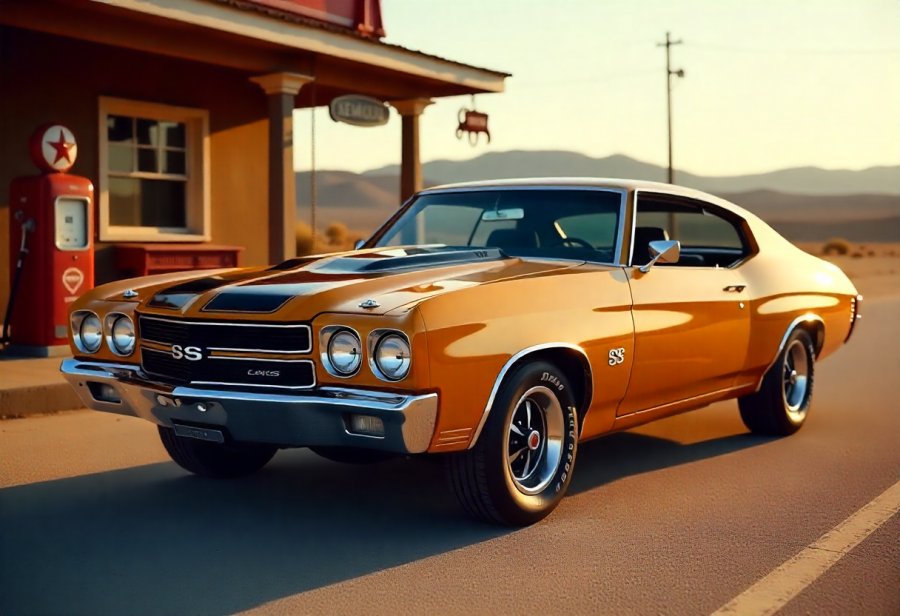
Step into the roaring world of 1970s American muscle cars with the Chevrolet SS—a symbol of raw power, bold design, and rebellious spirit. These vehicles weren’t merely modes of transportation; they embodied an era where engineering innovation met daring aesthetics, creating icons like the Chevelle SS 454 and Camaro SS. Their muscular lines, aggressive stances, and signature features like cowl-induction hoods and racing stripes signaled dominance and speed. Beneath the hood, thunderous big-block V8 engines and performance upgrades delivered exhilarating acceleration and visceral soundtracks of American horsepower. More than machines, these cars became cultural symbols of independence, daring, and freedom, fueling social identity and fueling street scenes of daring escapes and high-stakes races. Today, they captivate enthusiasts worldwide, reminding us that performance was more than a feature—it was a statement of attitude, resilience, and American ingenuity. Can you resist feeling drawn into their nostalgic roar and relentless swagger?
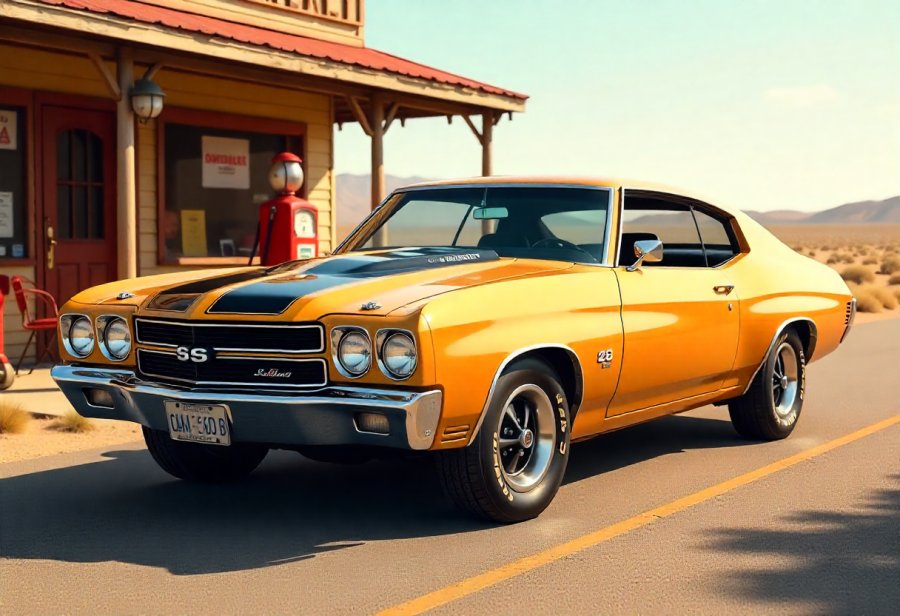
The Legacy of the 1970s Chevrolet SS: A Symbol of American Muscle Power
The 1970s Chevrolet SS stands as a shining symbol of American muscle car greatness. More than just a vehicle, it represents an era when raw power, bold design, and rebellious spirit came together to define a generation. These cars weren’t simply about transportation—they were statement pieces, icons of attitude that captured the imagination of enthusiasts and casual fans alike.
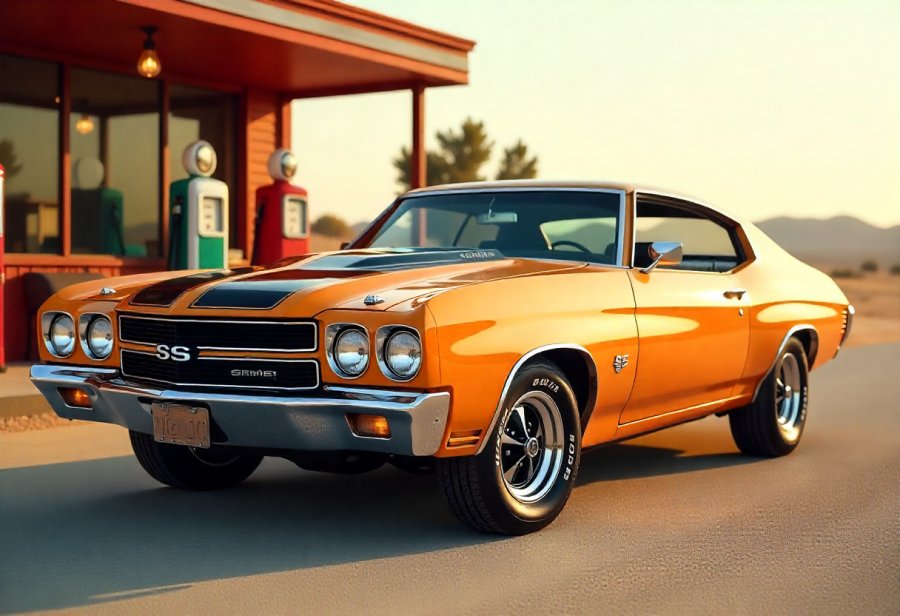
During this period, muscle cars like the Chevelle SS and Camaro SS became cultural touchstones. Their thunderous V8 engines and muscular lines seemed to roar with personality, embodying a sense of freedom and daring. These vehicles were designed to turn heads and make a mark, boasting features like the iconic cowl-induction hood and bold graphics that shouted performance before the engine even fired up.
The significance of the Chevrolet SS goes beyond their impressive specs. They symbolize a time when American automakers pushed the boundaries of engineering and style, creating machines that delivered both adrenaline and aesthetics. Their striking presence on the road and in popular culture cemented their status as symbols of power and independence. Movies, music, and street scenes of the era reinforced their legacy as icons of rebellion and daring.
This era marked a peak in horsepower and innovation, with engines like the legendary 454 cubic inch big block leading the charge. These cars weren’t just built for show; they offered a visceral driving experience—deep, guttural growls and lightning-fast acceleration that made every drive memorable. Their aggressive stance and bold graphics communicated a message of confidence and strength, echoing the audacious spirit of the 1970s.
The legacy of the Chevrolet SS endures because it captures more than just horsepower—it embodies the daring, freedom-loving attitude of a golden age of American performance. Restoring and appreciating these cars today connects enthusiasts to a time when cars were more than transportation—they were expressions of personality, rebellion, and innovation. The 1970s Chevrolet SS remains a powerful reminder of what it meant to push limits and leave a lasting impression.
How Technological Breakthroughs and Cultural Shifts Fueled the Muscle Car Boom
The rise of muscle cars in the 1970s didn’t happen by chance; it was the result of a perfect storm of technological breakthroughs, shifting cultural attitudes, and a collective obsession with speed. Automakers responded by developing larger, more powerful V8 engines, like the legendary 454 cubic inch big block, which became a symbol of raw dominance on the street. These engines weren’t just about impressive figures—they embodied a desire for maximum performance and a sense of thrill that defined the era. Complementing these powerplants, bold design choices such as racing stripes, hoods scooped for airflow, and muscular body lines made these cars visually scream speed and attitude.
During this period, American manufacturers raced to meet the surging demand for high-performance vehicles. They crafted engines capable of blistering straight-line acceleration and soaring top speeds, often at the expense of fuel economy. The focus was on creating cars that could dominate drag strips and street races, satisfying a generation eager for adrenaline. The visual language of muscle cars—wide stances, aggressive grilles, and bold graphics—became instantly recognizable symbols of power and rebellion. These design elements weren’t just aesthetic; they communicated the car’s intent: speed, strength, and daring.
Competition among brands like Chevrolet, Ford, and Pontiac fueled the muscle car boom. Each sought to outdo the others with more impressive engines and standout styling. Chevrolet’s efforts, especially with models like the Chevelle SS 454 and Camaro SS, resulted in vehicles that crossed into cultural icon status. They weren’t merely about raw speed—they embodied a rebellious spirit that appealed to young drivers craving to stand out and make a statement. This relentless push for innovation pushed engineering boundaries, blending functionality with eye-catching aesthetics that defined the muscle car era.
Culturally, muscle cars became more than transportation—they symbolized freedom, independence, and the thrill of breaking societal norms. Movies like “Bullitt” and “Vanishing Point” showcased these cars as icons of coolness and rebellion, while their thunderous engines provided a soundtrack of daring. Street racing and drag racing scenes flourished, turning muscle cars into expressions of bravado and competition. For many, owning such a vehicle was a way to assert personality and carve out a space of individualism amid a rapidly changing social landscape.
This era’s technological innovations—high-performance engines, improved suspensions, and wider tires—were crucial to shaping these cars’ capabilities. Features like the cowl-induction hood weren’t just for looks; they improved airflow and boosted horsepower. Every detail, from bold graphics to muscular bodywork, was crafted with purpose, emphasizing speed and control. These cars weren’t just mechanical marvels; they were bold statements on wheels, capturing the essence of American ingenuity and a relentless pursuit of performance.
Muscle Cars as Icons of Rebellion, Freedom, and American Identity
The muscle cars of the 1970s, especially icons like the Chevrolet SS, did more than just turn heads—they became a defining element of American cultural identity. These vehicles symbolized rebellion, independence, and daring, resonating deeply with a generation eager to challenge norms and express personality through power and style. Their roaring engines and bold designs weren’t just about performance; they served as visual declarations of freedom and individuality, embedding themselves into the social fabric of the era.
Movies like “Bullitt” and “Vanishing Point” elevated these cars to legendary status, portraying them as symbols of coolness and anti-establishment attitude. The thunderous growl of a big-block engine became a soundtrack of daring escapes and high-stakes street races, reinforcing their role as icons of rebellion. For many young Americans, owning a muscle car was more than possession—it was a statement of identity, a way to carve out a space of daring independence in a rapidly changing world.
Beyond their cinematic and musical fame, muscle cars influenced social perceptions and personal expression. Custom paint jobs, racing stripes, and aggressive stances communicated confidence and a rebellious spirit. Car clubs and restoration projects kept the legacy alive, turning these vehicles into cultural artifacts that linked enthusiasts across generations. Owning and maintaining a muscle car became a badge of belonging, a shared passion rooted in a love for performance and bold aesthetics.
The rise of muscle cars reflected broader societal values of freedom and adventure. With affordable gas and open roads, the era fostered a sense of limitless possibility. Automakers responded with relentless innovation, crafting machines that promised excitement and dominance. These cars weren’t just transportation—they embodied the American dream of power, daring, and breaking free from conventions.
Today, the legacy of these vehicles endures through collector communities and automotive culture worldwide. Restoring a muscle car like the Chevrolet SS connects enthusiasts to a golden age when horsepower and attitude reigned supreme. Their influence persists in modern performance cars, inspiring a new generation to appreciate the daring spirit and bold style that defined the muscle car era. These vehicles remain symbols of a time when automotive innovation was driven by passion, rebellion, and the pursuit of adrenaline.
Design Elements That Define the Bold, Muscular Spirit of the 1970s Chevrolet SS
The design elements of the 1970s Chevrolet SS perfectly capture the bold, muscular spirit of the muscle car era. These vehicles weren’t just built for speed; they were crafted to command attention and make a statement. The wide, aggressive stance immediately signals confidence and stability, with broad fenders and a low-slung profile that hint at the power waiting beneath the surface. Every curve and line was designed to convey strength and purpose, turning the car into a moving piece of art that radiates attitude.
One of the most iconic features is the cowl-induction hood. More than just a styling flourish, it served a functional purpose—improving airflow to the engine for better performance. Its raised, scooped shape exudes aggression, reinforcing the car’s racing pedigree. Racing stripes and bold decals often stretched across the body, adding visual drama and emphasizing the vehicle’s high-performance DNA. Bright colors like Hugger Orange and Deep Purple made these cars impossible to ignore on the street or track, capturing the vibrant personality of the era.
Chrome accents played a vital role in highlighting the muscle car’s muscular build. Shiny bumpers, mirror trims, and grille details contrasted sharply with the bold paint jobs, giving each vehicle a polished, high-quality look. Rally wheels paired with wide tires not only enhanced the aesthetic but also underscored the car’s grip and stability. These design touches combined to create a visual package that was as intimidating as it was attractive, embodying the daring spirit of American muscle.
The roar of the engine was an integral part of the car’s aesthetic appeal. When fired up, especially with a big-block V8, these cars emitted a deep, guttural growl that resonated with authority. This thunderous sound wasn’t just noise; it was a visceral badge of power, an auditory cue that announced the car’s performance pedigree before it even hit full throttle. That growl became synonymous with muscle cars, a signature that still stirs excitement among enthusiasts today.
Every detail was crafted with intention, blending engineering prowess with bold aesthetics. Graphics and racing stripes weren’t just for show—they reinforced the car’s competitive spirit. The combination of color, stance, and visual cues created a distinctive identity that’s instantly recognizable, embodying the rebellious, high-octane attitude of the muscle car era. These design elements continue to inspire admiration and nostalgia, standing as enduring symbols of American automotive daring.
Unleashing Raw Power: Performance and Engineering of the Chevelle SS 454 and Its Legacy
The performance of the 1970s Chevrolet SS models is legendary, fueled by some of the most formidable engines American automakers ever crafted. The Chevelle SS 454, in particular, stands out as a true beast, boasting a massive 454 cubic inch V8 that could produce over 400 horsepower and a staggering amount of torque. This power wasn’t just about impressive figures; it delivered raw, unrelenting acceleration that launched the car forward with authority and presence. The iconic cowl-induction hood wasn’t just a styling feature—it was a clever engineering solution that improved airflow to the engine, helping maximize performance at high speeds.
These vehicles were built with a laser focus on straight-line speed, and their engineering reflected that priority. Heavy-duty suspensions, wide tires, and performance-enhanced components ensured that this power was harnessed smoothly and confidently. The wide stance and reinforced chassis offered stability, allowing drivers to push their limits without sacrificing control. When the throttle was pressed, the big-block V8 responded eagerly, unleashing a deep, guttural growl that became a visceral symbol of American muscle. This thunderous sound was as much an aesthetic statement as the car’s aggressive design, instantly evoking excitement and awe.
Driving a muscle car like the Chevelle SS 454 was an experience rooted in its engineering ingenuity. Features such as the large-diameter carburetor and the cowl-induction hood worked in tandem to optimize airflow, boosting horsepower without compromising reliability. Heavy-duty parts and reinforced components were designed to handle the stresses of high-performance driving, making these cars not only powerful but durable enough for daily use and racing alike. Every element was crafted to deliver maximum performance while maintaining the mechanical integrity that enthusiasts still admire today.
Handling and stability weren’t overlooked in the pursuit of raw speed. Wide tires and upgraded suspensions kept these vehicles grounded during aggressive maneuvers, instilling confidence behind the wheel. The perfect balance of power and control created an exhilarating driving experience that’s hard to find in modern cars. Every detail, from the muscular body lines to the bold graphics, emphasized the car’s performance pedigree, making it as visually commanding as it was mechanically impressive.
The engineering marvels of the 1970s Chevelle SS models continue to resonate with collectors and enthusiasts. Restoring and driving these cars links owners to a golden age of American muscle, where horsepower reigned supreme and innovation knew no bounds. These vehicles serve as a powerful reminder that performance was more than a feature—it was the very heart of the muscle car era. Their visceral power and engineering brilliance remain a testament to a daring, adrenaline-fueled spirit that still inspires automotive enthusiasts today.
About the Author