Step into the world of the backyard mechanic—where passion meets craftsmanship in a space that’s more sanctuary than workshop. From restoring vintage cars to fabricating custom parts, these garages embody patience, ingenuity, and a love for history. But what secrets lie behind this ritual of revival? As technology advances, traditional skills blend with modern innovations like 3D printing and digital diagnostics, transforming humble workspaces into high-tech havens. This evolution sparks questions about preserving heritage versus embracing progress. Meanwhile, the community’s shared stories reveal that restoring old machines is about more than mechanics; it’s about passing down values, creating bonds, and finding calm amid chaos. Will the future see these spaces shrinking or thriving as sustainability, connectivity, and innovation reshape the craft? One thing is certain: the backyard garage remains a vital heart of passion, where rust turns to revival and heritage is reborn—questioning what’s possible in the hands of dedicated enthusiasts.
Backyard Garages: Sanctuaries of Passion and Craftsmanship
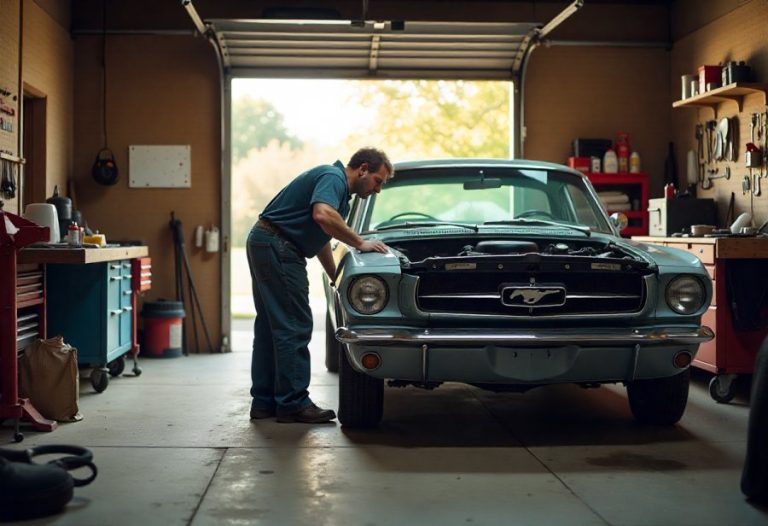
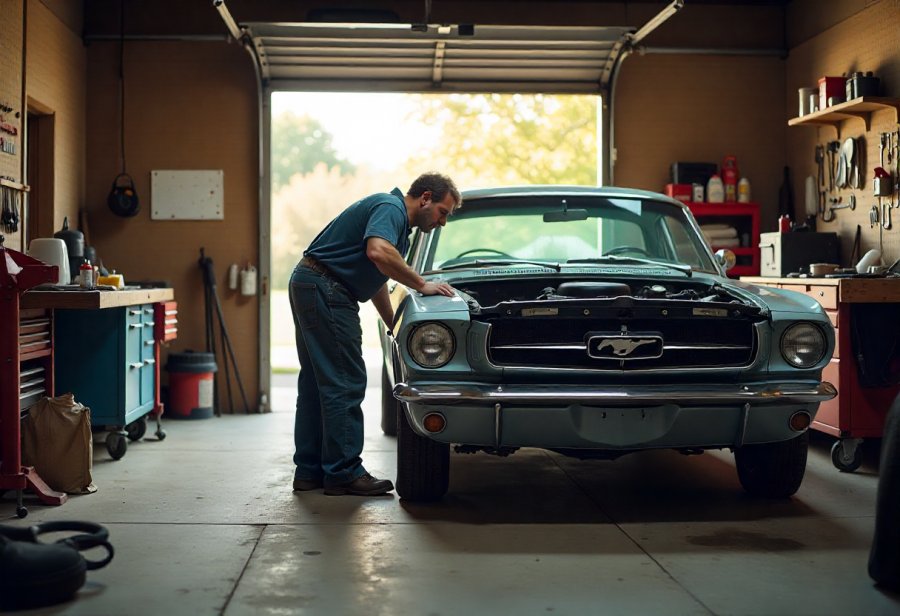
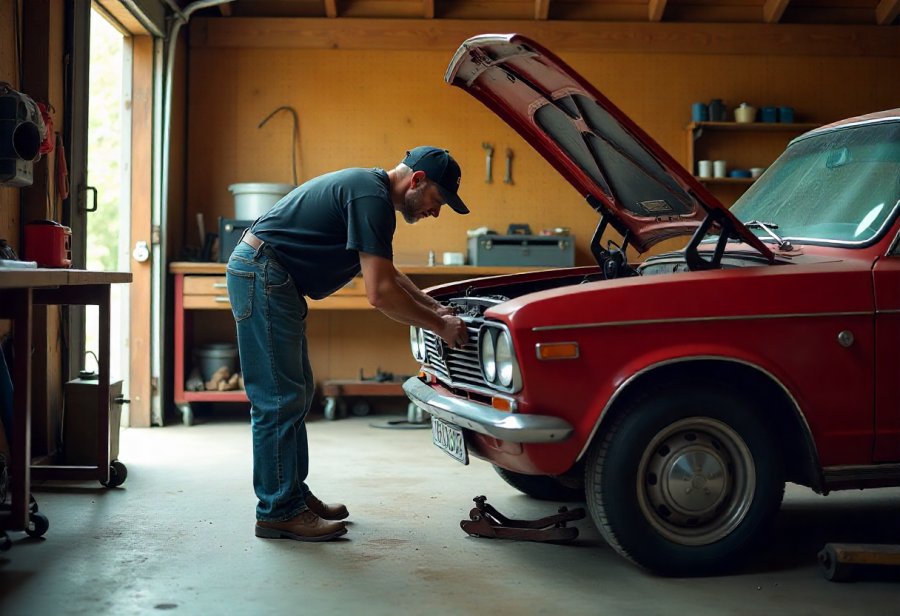
Backyard garages are more than just places to store tools or park vehicles—they are personal sanctuaries where craftsmanship and passion come alive. For many enthusiasts, these spaces serve as retreats from the busyness of everyday life, offering a quiet environment to focus entirely on restoring vintage machines. It’s in these humble, often cluttered corners that skills are sharpened, stories are shared, and a deep connection to mechanical history is nurtured.
Working in a garage becomes more than a hobby; it transforms into a form of self-expression and a way to preserve a slower, more deliberate approach to making. Every bolt turned and engine tuned carries a sense of reverence for craftsmanship that’s been passed down through generations. These spaces embody patience and attention to detail, turning rusted parts into revived classics through dedication and hands-on work. In this way, a garage becomes a workshop of heritage and creativity, where time slows, and focus sharpens.
For many backyard restorers, the garage isn’t just about fixing old cars; it’s about engaging with history and keeping it alive. Restoring vintage vehicles turns into a personal journey—a way to reconnect with a bygone era when craftsmanship mattered deeply. These projects become stories etched into metal and paint, each bringing a sense of pride that comes from hands-on effort. The garage holds more than tools and parts—it holds memories, skills, and a passion for preserving the past.
Beyond the technical aspect, the garage is a mental refuge. It’s a space where stress dissolves, replaced by purpose and calm concentration. Troubleshooting electrical gremlins or fabricating custom parts can be almost meditative, providing a break from daily worries. The act of restoring becomes a form of therapy—an immersive experience that restores not just old machines but also personal confidence and joy.
This passion for vintage restoration isn’t fleeting; it’s rooted in love for craftsmanship, independence, and cultural preservation. Whether working on a classic motorcycle or a vintage car, each project reflects a desire to honor history and the skills of those who built these machines. Backyard garages become the heart of this movement, where rust turns to revival and old parts are reborn as new memories. As this passion continues to grow, these spaces adapt—becoming more organized, more high-tech, but always a sanctuary for creativity and craftsmanship.
From Simplicity to Innovation: The Evolving Roots of Backyard Mechanics
The backyard mechanic tradition has deep roots that stretch back to the early days of the automotive era, when cars were simpler and more accessible to everyday people. Back then, keeping a vehicle on the road often meant rolling up your sleeves in your driveway or garage. Repairs were straightforward enough that many owners learned to fix their own cars, fostering a culture of self-reliance and ingenuity that still echoes today. This DIY spirit laid the groundwork for a lasting tradition of craftsmanship and independence, passed down through generations.
As automobiles grew more complex through the mid-20th century, the desire to understand and maintain these machines kept many enthusiasts working on their own vehicles. Their garages became personalized workshops, filled with tools and parts accumulated over years of tinkering. Restoring vintage cars became more than a hobby—it became a way to connect with a simpler, craft-driven era. These efforts helped preserve traditional techniques, emphasizing patience, precision, and hands-on skill, ensuring that knowledge was shared within families and local communities.
The post-war years marked a turning point, reigniting interest in automotive history and craftsmanship. Enthusiasts began salvaging and restoring classic cars, viewing them as tangible links to a time when quality and artistry mattered. Garages transformed into makeshift museums, housing meticulously restored vehicles that told stories of innovative design and engineering. These projects became acts of cultural preservation, celebrating the ingenuity of past generations and reinforcing a collective appreciation for automotive artistry.
Society’s evolving values and technological advances have shaped this ongoing tradition. While modern cars feature electronic systems and diagnostics that can seem daunting, the core spirit of craftsmanship endures. Today’s hobbyists often blend traditional skills with new technology, creating a hybrid approach that respects the past while embracing innovation. This adaptability keeps the backyard mechanic culture vibrant, allowing it to evolve without losing its foundational appreciation for patience, skill, and resourcefulness.
Throughout its history, the backyard mechanic movement has thrived on community and shared knowledge. Enthusiasts exchange tips, stories, and advice through forums, clubs, and meetups, fostering a sense of belonging and collective growth. This spirit of collaboration ensures that the craft remains accessible and inspiring, encouraging newcomers to pick up the wrench and continue the tradition. It’s a culture rooted in passion, resilience, and a genuine love for restoring history—an enduring legacy that continues to evolve while staying true to its roots.
Modern Garages: Where Tradition Meets Cutting-Edge Craftsmanship
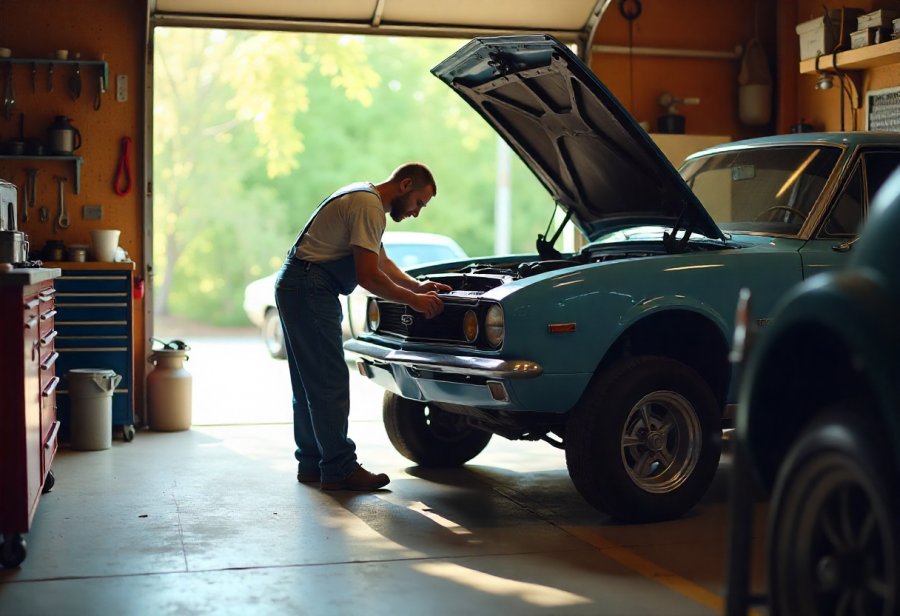
Today’s backyard garages are vibrant hubs of craftsmanship that seamlessly blend tradition with modern innovation. Gone are the days of cluttered storage spaces; now, many enthusiasts curate work areas that inspire creativity and precision. Classic hand tools sit alongside digital diagnostics and advanced equipment, reflecting a balance between time-honored skills and cutting-edge technology. Organized workbenches, smart storage solutions, and climate control systems turn these garages into inviting spaces where detailed projects—whether tuning a vintage engine or fabricating custom parts—become enjoyable pursuits rather than chores.
The layout and setup of a modern garage often mirror its owner’s personality and project ambitions. Some prefer a meticulously organized environment with dedicated zones for different tasks, promoting efficiency and focus. Others embrace a more relaxed, cluttered aesthetic that sparks inspiration and spontaneity. The tools themselves are diverse—from traditional wrenches and screwdrivers to cordless drills, digital oscilloscopes, and diagnostic scanners—giving enthusiasts the flexibility to approach restoration with both skill and confidence. Enhanced lighting and climate control further elevate the space, making long, detailed work sessions comfortable and productive.
Community plays an increasingly vital role in shaping today’s garage scene. Online forums, social media groups, and local meetups connect hobbyists across distances, fostering a sense of shared purpose. Sharing progress, asking advice, and exchanging ideas fuel collective growth and motivation. Many see their garages not just as personal workshops but as parts of a broader movement that values knowledge sharing, collaboration, and continuous learning. This spirit of connection ensures that craftsmanship remains vibrant, accessible, and ever-evolving.
Approaches within the backyard restoration community vary widely. Some focus on meticulous historical accuracy, carefully matching original specifications, while others enjoy blending vintage aesthetics with modern upgrades for safety or performance. Both paths celebrate craftsmanship and personal expression, making each garage a unique reflection of its owner’s tastes and skills. As projects evolve, so do the spaces—adapting to new tools, techniques, and ideas—without losing sight of the core passion for quality work and preservation.
Emerging technologies are reshaping what’s possible within these personal workshops. Affordable 3D printing now allows recreating rare or obsolete parts, opening new avenues for authenticity and affordability. Advanced diagnostics tools, once reserved for professional shops, are becoming more user-friendly and compact, empowering hobbyists to fine-tune engines and electrical systems with precision. These innovations lower barriers, encouraging more ambitious projects and inspiring a new generation of backyard mechanics to push boundaries.
Sustainability is gaining momentum among restorers. Many incorporate eco-friendly paints, recycled materials, and energy-efficient tools into their workflows. This conscious shift not only reduces environmental impact but also adds a new layer of meaning to vintage revival. Restoring old machines while respecting the planet aligns craftsmanship with responsibility, fostering a sense of pride and purpose beyond the work itself.
The digital landscape amplifies this interconnectedness. Enthusiasts share tutorials, project updates, and advice through social media and online forums, creating a global network of support. This instant access to collective knowledge accelerates learning, sparks innovation, and deepens community bonds. Whether troubleshooting complex electrical systems or celebrating a finished build, the shared passion keeps the craft dynamic and forward-looking. In this way, the modern garage has become more than just a physical space; it’s a vital part of a lively, evolving movement that honors tradition while embracing the future.
Inside the Workshop: Personal Stories and Practical Insights from Restorers
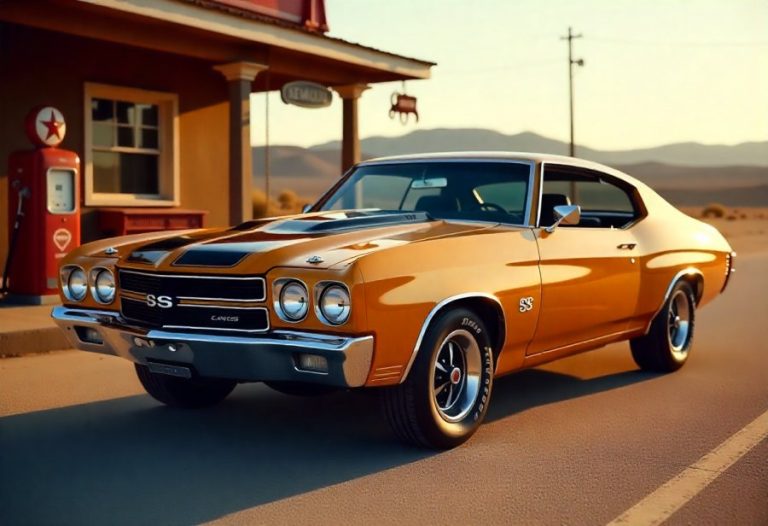
Many backyard mechanics have stories that highlight the deep personal connection they develop with their projects. One enthusiast recalls spending weekends in his garage, carefully restoring a 1960s muscle car that had been sitting untouched for decades. He describes the thrill of sourcing original parts, sometimes traveling to swap meets or scouring online forums late into the night, all to stay true to the car’s history. Watching that engine finally roar back to life after months of patience brought an unmatched sense of achievement. For him, it wasn’t just about fixing a car; it was about reconnecting with a piece of history and feeling pride in his hands-on work.
Another common story involves a father teaching his son how to rebuild a vintage motorcycle. The garage becomes a classroom filled with shared laughs, mistakes, and small victories. These moments aren’t just about technical skills—they’re about passing down values like patience, attention to detail, and perseverance. The quiet focus required to rebuild parts turns into a bonding ritual, creating memories that last beyond the projects themselves. For many, these stories are about more than machines—they’re about creating lasting connections and passing on a craft that’s become part of their identity.
The real magic of working in a garage often lies in the satisfaction of transforming rusted, abandoned relics into shining, cherished vehicles. Hours spent meticulously polishing chrome or carefully restoring paint bring a calm sense of accomplishment. Troubleshooting electrical issues or fabricating custom parts can be almost meditative, providing a welcome respite from daily stresses. These spaces become sanctuaries where worries fade, replaced by focused activity and a sense of purpose that rejuvenates both machine and mind.
Success stories frequently highlight the emotional reward that comes with completing a project. One owner recounts months of setbacks before finally hearing his restored truck’s engine roar again, filling his driveway with pride. Others share tales of turning a neglected motorcycle into a show-stopping machine that wins awards at local meets. These moments underscore that the true reward isn’t just the finished vehicle but the skills gained, the patience learned, and the stories created along the way. Each restored machine stands as a testament to perseverance and passion.
Garage practices vary widely, but the common thread remains a deep love for craftsmanship. Some enthusiasts prefer a meticulous approach, using traditional hand tools to preserve authenticity. Others incorporate modern technology like digital diagnostics to streamline complex tasks. Regardless of their methods, many take pride in organizing their space—wall-mounted tools, labeled drawers, and dedicated zones—making workflows smooth and projects more enjoyable. This diversity reflects a community where each garage is a personal reflection, evolving with each project but rooted in a shared passion.
Engagement with the broader garage community plays a vital role in keeping the craft alive. Many restorers find inspiration and support through online forums, social media groups, and local meetups. Sharing progress photos, asking for advice, and exchanging tips foster a sense of belonging that extends beyond the individual workspace. These interactions turn solitary efforts into collective efforts, fueling motivation and innovation. The garage becomes more than just a workshop—it’s a hub of connection, learning, and shared enthusiasm.
Ultimately, it’s the personal stories that breathe life into the backyard mechanics’ world. The small victories, the lessons learned from mistakes, and the bonds formed over shared projects all contribute to a rich tapestry of craftsmanship and passion. These stories remind us that beyond the tools and machines, restoring vintage vehicles is about patience, perseverance, and a love for the craft. They underscore why the garage remains a vital space—a sanctuary where history is preserved, skills are passed down, and passion continues to ignite new generations of restorers.
The Future of Garage Revival: Embracing Technology, Sustainability, and Global Connections
Looking ahead, the garage restoration scene is poised for a fascinating blend of tradition and innovation. Technologies like 3D printing are already transforming how enthusiasts approach difficult or obsolete parts, making authentic restorations more accessible and affordable. Hobbyists can now recreate rare components in their own garages, reducing dependency on scarce vintage parts and cutting down wait times. Meanwhile, advanced diagnostics tools—once reserved for professional workshops—are becoming more user-friendly and compact, empowering backyard mechanics to fine-tune engines and electrical systems with precision previously out of reach.
Sustainability is also gaining momentum within the community. Restorers are increasingly opting for eco-friendly paints, recycled materials, and energy-efficient tools, aligning their passion for vintage machines with a broader environmental conscience. This shift encourages a more thoughtful approach to craftsmanship, emphasizing durability and responsible resource use. Green practices add a new layer of meaning to restoration projects, fostering pride not just in the finished vehicle but in the way it was brought back to life.
The digital landscape continues to reshape how enthusiasts connect and learn. Online forums, social media groups, and virtual meetups bridge geographical gaps, creating a vibrant global network. Sharing tips, progress photos, and advice fuels collective innovation and keeps motivation high. This interconnectedness turns solitary projects into collaborative efforts, where ideas flow freely and newcomers find encouragement. As a result, the backyard mechanic movement becomes increasingly dynamic, driven by a shared passion that transcends borders.
Within this evolving space, approaches to restoration are more diverse than ever. Some focus intensely on historical accuracy, meticulously matching original specifications, while others prefer blending vintage aesthetics with modern safety and performance upgrades. Both paths celebrate craftsmanship and personal expression, ensuring the movement remains inclusive and adaptable. Each garage becomes a unique reflection of its owner’s tastes, skills, and ambitions, evolving with each project while staying rooted in the love of the craft.
Emerging tools like affordable CAD software and desktop 3D printers are democratizing complex restoration work. They allow hobbyists to design, prototype, and produce parts in-house, significantly lowering barriers to ambitious projects. This technological democratization encourages more experimentation and pushes the boundaries of what’s possible in a small, personal workspace. As these innovations become more accessible and intuitive, the backyard mechanic’s role shifts from mere restorer to innovator, shaping the future of vintage vehicle revival.
About the Author