In a world where seamless communication can make or break business success, how can organizations leverage innovative telephony solutions to gain a competitive edge? Grandstream’s cutting-edge devices and cloud-enabled management platforms promise a revolution in network deployment and efficiency. Their scalable IP phones and zero-touch provisioning streamline setup across multiple locations, drastically reducing time, cost, and human error. But as networks grow more complex, how can businesses ensure voice quality, security, and operational resilience? By integrating intelligent traffic management, remote configuration, and automated updates, Grandstream empowers organizations to create adaptive, high-performance communication environments. This transformation isn’t just about technology—it’s about redefining how businesses connect with customers and collaborate internally. Will your organization embrace these innovations to elevate its communication game, or risk falling behind in an increasingly digital world?
Enhance Your Business Communications with FiberConX’s Advanced VoIP Solutions
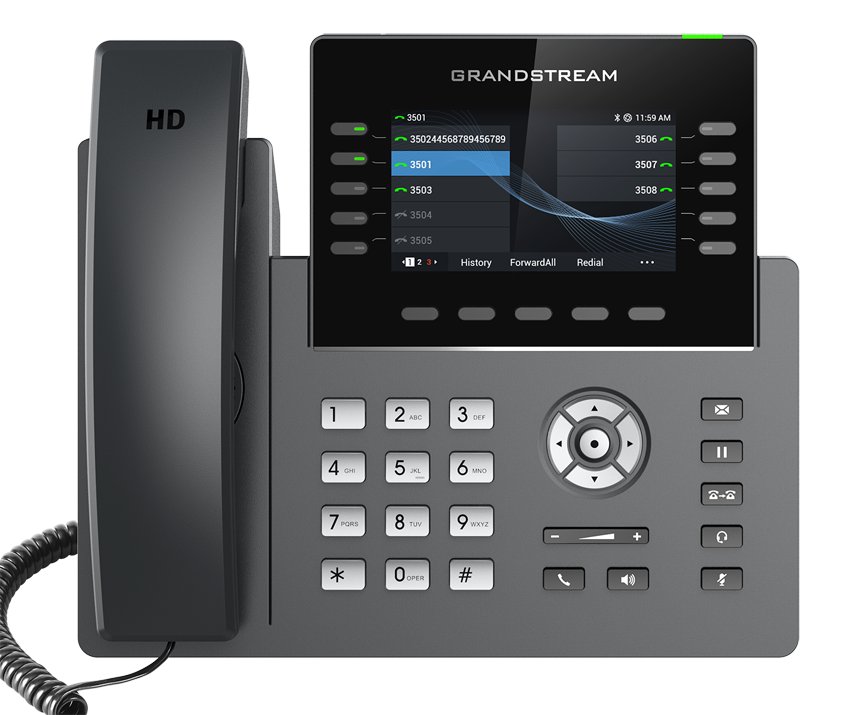
Discover how FiberConX Communications, based in Canada, offers top-tier VoIP and IP business phone services tailored for modern enterprises. Our solutions feature robust functionalities such as voicemail, IVR, Ring Groups, and voicemail-to-mail, ensuring seamless communication and improved customer experience. For businesses seeking reliable hardware, explore the Grandstream GRP2615, known for its exceptional performance and advanced features. Partner with FiberConX to elevate your communication infrastructure today. Contact us at [email protected] or call 1.800.961.6856 for more information.
Unlock the Power of Personalized Telephony for Your Business
In today’s busy business world, clear and efficient communication isn’t just a nice-to-have—it’s essential. Companies that rely on generic, one-size-fits-all phone systems often find themselves struggling to meet their unique needs, leading to missed calls, frustrated customers, and internal bottlenecks. That’s where customizable telephony solutions come into play, offering tailored communication tools that align perfectly with each organization’s workflows and goals.
Personalized communication systems give businesses the flexibility to modify features like call routing, voicemail, auto-attendants, and integrations. Instead of forcing everyone into a rigid system, companies can craft a setup that fits their specific operations—whether that’s directing calls seamlessly across multiple locations or providing remote teams with high-quality, reliable connections. This level of customization not only improves responsiveness but also projects a professional image that builds trust with customers.
The benefits go beyond convenience. Custom solutions enhance operational efficiency by reducing missed calls and streamlining workflows. For example, a retail chain can automatically route calls to the nearest store or department, saving time and avoiding frustration. Meanwhile, a consultancy might prioritize high-priority clients or enable remote management for dispersed teams. These tailored features help organizations deliver a more consistent and positive customer experience, which can directly impact loyalty and reputation.
Scalability is another key advantage. As businesses grow, their communication needs evolve. Rather than overhauling entire systems, a flexible telephony setup can expand seamlessly—adding new users, features, or integrations without disrupting existing operations. Cloud-based management platforms make this process even easier, allowing IT teams to configure and monitor the network remotely. This adaptability ensures that your communication infrastructure remains aligned with your organization’s trajectory, supporting long-term growth and agility.
Investing in personalized telephony isn’t just about operational improvements; it’s a strategic move to gain a competitive edge. Clear, professional communication fosters trust and credibility, making customers feel valued and understood. Internal collaboration also benefits, as teams can coordinate more effectively with features tailored to their specific needs. When every call reflects your brand’s standards, it elevates your overall reputation and sets you apart in a crowded marketplace.
Transitioning to these advanced systems also simplifies deployment and ongoing management. Unlike traditional setups that often require lengthy installations and on-site technical support, modern solutions leverage cloud management and zero-touch provisioning. Devices can be quickly deployed across multiple locations, automatically configured, and managed remotely—saving time, reducing costs, and minimizing errors. This streamlined approach allows organizations to focus on their core activities rather than troubleshooting hardware or software issues.
Ultimately, customizable telephony solutions empower organizations to create communication environments that are as unique as their business models. They enable faster deployment, easier management, and a more personalized experience for both staff and customers. In a landscape where customer experience can make or break success, having a flexible, responsive system becomes a vital asset. It’s not just about exchanging calls—it’s about building connections that drive growth and loyalty.

From Landlines to Cloud: The Evolution of Voice Communication Technology
Voice communication technology has evolved dramatically from its earliest days, fundamentally changing how businesses and individuals stay connected. The journey began with analog landlines, which used copper wires to transmit voice signals reliably but offered limited flexibility and scalability. These systems served well for simple point-to-point calls but quickly showed their limitations as organizations grew and communication needs became more complex.
The advent of digital telephony marked a significant shift, introducing clearer sound quality and a broader array of features. Digital systems enabled more efficient call management and laid the groundwork for future innovations. However, the true game-changer was the development of Voice over Internet Protocol, or VoIP, which transformed telephony by routing calls as data over the internet instead of traditional phone lines. This shift drastically lowered costs and opened new possibilities for integration with digital tools and remote work setups.
VoIP’s flexibility made it especially popular among businesses with dispersed teams or multiple locations. It allowed for unified communication platforms that could scale easily without the need for extensive hardware overhauls. The technology also supported features like call forwarding, auto-attendants, and conference calling, all accessible via internet-connected devices. As a result, organizations could create more dynamic, responsive communication environments that adapt to their evolving needs.
Alongside VoIP, the rise of IP phones has played a crucial role in modern telephony. These digital devices connect directly to the internet, replacing traditional analog phones and supporting high-definition audio, programmable keys, and advanced call management. Their ability to integrate seamlessly with cloud-based management platforms simplifies deployment and maintenance, reducing costs and minimizing downtime. This integration has made IP phones a core component of modern business communication strategies.
Managing these digital networks requires robust infrastructure and effective practices. Cloud-managed platforms like Grandstream’s GDMS provide centralized control, enabling IT teams to configure, monitor, and troubleshoot devices remotely. This level of oversight reduces the need for on-site visits, speeds up deployment, and enhances security. With real-time analytics and remote firmware updates, organizations can respond swiftly to emerging issues and ensure their networks remain resilient and secure.
To maintain high-quality voice services, organizations employ various network optimization techniques. Network segmentation isolates voice traffic from data traffic, preventing congestion and ensuring clear audio during peak times. Load balancing distributes traffic evenly across servers and bandwidth, avoiding overloads that can impair call quality. Software-defined networking, or SDN, dynamically manages traffic flow, optimizing bandwidth and reducing latency. These strategies ensure that voice communication remains seamless, even as networks become more complex and demands increase.
The shift toward cloud-based telephony and network management has revolutionized deployment strategies. Devices can be configured automatically through zero-touch provisioning, enabling rapid rollouts across multiple locations. This approach minimizes manual setup, reduces errors, and accelerates deployment timelines. By automating routine tasks, IT teams can focus on strategic initiatives rather than firefighting technical issues, leading to more agile and scalable communication infrastructure.
Security and ongoing maintenance are integral to sustaining reliable voice networks. Cloud management platforms facilitate remote firmware updates, security patches, and troubleshooting, which reduces vulnerabilities and keeps systems compliant with standards. This proactive approach not only enhances security but also lowers operational costs by minimizing physical intervention. As organizations grow and evolve, these practices ensure their communication systems remain secure, efficient, and ready to support future needs.
In essence, modern voice communication is built on a foundation of technological innovation and strategic management. From analog origins to digital and cloud-enabled solutions, the landscape continues to advance rapidly. For businesses seeking reliable, scalable, and flexible communication networks, understanding these core principles is essential. Leveraging the latest practices in network management and embracing innovative devices like those from Grandstream can unlock new levels of efficiency and responsiveness—transforming how organizations connect, collaborate, and thrive in today’s digital world.
Revolutionize Your Business Communications with Grandstream’s Innovative Solutions
Grandstream’s devices and solutions are redefining how businesses approach their network efficiency and deployment processes. Designed with scalability and ease of management in mind, their IP phones and telephony endpoints support rapid expansion without sacrificing control. With centralized management platforms like GDMS, IT teams gain the ability to configure, monitor, and troubleshoot remotely, drastically reducing the need for onsite support and manual interventions. This streamlined control accelerates deployment timelines and minimizes operational disruptions, enabling companies to adapt quickly to evolving communication demands.
Recent innovations emphasize simplicity and speed in deployment. Grandstream’s cloud-based platforms facilitate zero-touch provisioning, allowing devices to automatically connect and configure themselves upon setup. For organizations with multiple locations or large-scale rollouts, this capability means faster, more consistent deployment—saving time and resources while reducing human error. Whether deploying a handful of phones or hundreds, the process becomes straightforward, allowing IT teams to focus on strategic initiatives rather than routine setup tasks.
Traditional telephony systems often relied heavily on complex hardware and on-site support, leading to lengthy and costly installation cycles. Grandstream’s solutions shift this paradigm by prioritizing remote management and software-driven deployment. Their IP phones are built for plug-and-play operation, with automatic provisioning that ensures quick, uniform setup across all endpoints. This approach speeds up deployment, cuts costs, and decreases the risk of misconfiguration, ultimately delivering a more agile communication infrastructure.
Flexibility and customization are core strengths of Grandstream’s offerings. Their devices support a wide array of features—HD audio, programmable keys, advanced call routing—that can be tailored to meet specific operational needs. This personalization ensures each user or department benefits from an optimized setup, whether it’s a sales team prioritizing high-priority calls or support staff managing multiple queues. Seamless integration with digital tools like CRMs and cloud platforms creates a unified ecosystem that enhances productivity and streamlines workflows.
Network optimization features further bolster the performance and reliability of Grandstream’s solutions. Traffic prioritization, network segmentation, and real-time analytics help organizations manage bandwidth effectively, preventing congestion and maintaining high call quality during peak periods. Software-defined networking dynamically adjusts traffic flow, reducing latency and ensuring consistent voice clarity. These capabilities are vital for maintaining seamless communication as networks grow increasingly complex and demand increases.
Security and ongoing maintenance are simplified through remote management tools. Firmware updates, security patches, and troubleshooting can all be handled remotely, reducing vulnerabilities and minimizing downtime. This proactive approach keeps systems secure and compliant, freeing up IT resources and ensuring the network remains resilient amidst changing requirements. As organizations expand, these features support continuous improvement without adding operational burdens.
By integrating these advanced devices and management solutions, businesses can transition smoothly from legacy systems to a modern, cloud-enabled communication framework. The combination of scalable hardware, remote configuration, and intelligent traffic management creates a resilient, adaptable network capable of supporting remote work, hybrid environments, and future growth. This transformation not only enhances operational efficiency but also lays a solid foundation for ongoing technological advancement—making communication smarter, faster, and more reliable at every level.
About the Author