In an era where seamless, adaptable communication can define a company’s success, Grandstream’s innovative telephony solutions promise to revolutionize network deployment and management. Their carrier-grade IP phones, supported by cloud provisioning and centralized control via GDMS, enable organizations to deploy large-scale systems quickly and efficiently. This shift toward customizable, scalable devices not only reduces complexity and operational costs but also empowers businesses to adapt swiftly to changing needs. As telephony evolves with AI, automation, and unified platforms, the future holds smarter, more intuitive networks capable of personalized interactions and proactive troubleshooting. Could this technological leap turn traditional communication systems into strategic business assets? With the promise of simplified deployment, real-time management, and future-ready features, Grandstream’s approach offers a compelling glimpse into how the next generation of telephony will shape smarter, more responsive organizations—raising the question: are you prepared to transform your communication infrastructure today for the challenges of tomorrow?
Elevate Your Business Communications with FiberConX’s Advanced VoIP Solutions in Canada
Discover the power of reliable and feature-rich IP-based phone services with FiberConX Communications. Serving businesses across Canada, FiberConX offers comprehensive VoIP solutions that include voicemail, IVR, Ring Groups, and voicemail-to-mail features, ensuring seamless communication and improved customer engagement. Whether you need scalable options for growth or advanced call management tools, FiberConX is dedicated to delivering tailored solutions that meet your needs. For more information on their offerings, visit FiberConX and refer to GRP2634. Contact their sales team at [email protected] or call 1.800.961.6856 to get started today.
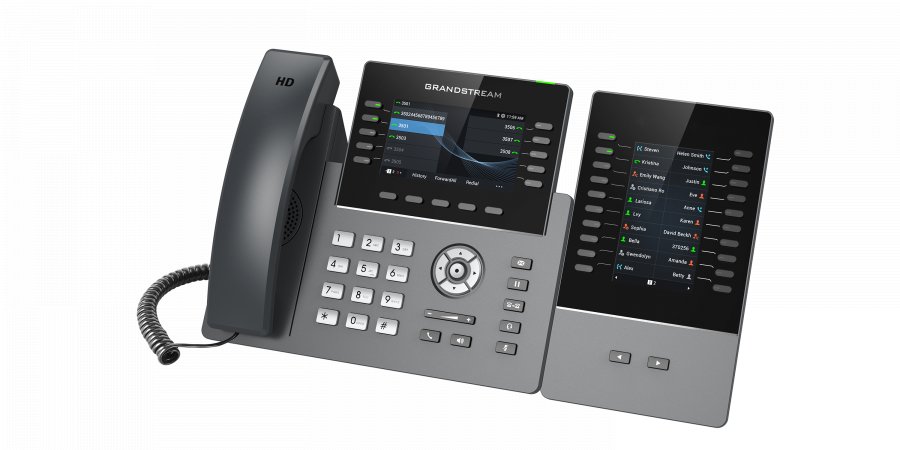
Revolutionizing Business Communication with Customizable Telephony Solutions
In today’s fast-moving business world, clear and reliable communication isn’t just a nice-to-have—it’s essential. As companies expand and adapt, their telephony needs become more complex, demanding solutions that are both flexible and easy to manage. Moving past the old one-size-fits-all phone systems, organizations now look for ways to customize their communication networks to fit unique workflows, environments, and future growth plans. This shift highlights the growing importance of adaptable telephony solutions that can evolve alongside a business’s changing demands.
Innovations from providers like Grandstream are transforming how organizations approach their communication infrastructure. Their devices and management platforms are designed to make deployment simpler, cut costs, and improve user experience. Features like cloud provisioning and centralized management allow IT teams to configure, monitor, and update hundreds of devices remotely. This not only streamlines large-scale deployments but also reduces errors, saving time and resources—especially when expanding to multiple locations or upgrading existing systems.
This focus on customization and ease of management isn’t just about convenience; it offers a strategic advantage. Centralized platforms enable quick onboarding of new devices, preconfigured settings, and seamless updates—allowing businesses to adapt their communication systems quickly without overhauling everything. As organizations grow or shift operations, they can do so smoothly, ensuring their networks remain resilient and aligned with evolving needs. This agility is vital in a landscape where speed and reliability can determine competitive edge.
Connecting these innovations to broader industry trends reveals that the future of telephony lies in agility and integration. Cloud-based management, device virtualization, and automation are making it easier than ever to build communication networks that are as dynamic as the businesses they support. With solutions like Grandstream’s scalable devices and management tools, organizations can stay ahead of the curve, ensuring their systems are ready for whatever comes next. This flexibility doesn’t just improve efficiency today; it sets the stage for future growth and innovation.
Ultimately, customizable telephony solutions are reshaping how organizations communicate. They enable smarter, more responsive networks that grow with the business, adapt to changing needs, and provide a competitive edge in an increasingly digital world. By leveraging these innovations, companies can turn their communication infrastructure into a strategic asset—one that supports both current operations and future ambitions.

Core Principles and Trends Shaping Modern Telephony Systems
Modern business communication systems are built on principles that emphasize flexibility, integration, and scalability. At their core is Voice over Internet Protocol (VoIP), a technology that has revolutionized how companies handle voice calls. By transmitting voice over data networks instead of traditional landlines, VoIP reduces costs and opens the door to a host of advanced features like call forwarding, voicemail-to-email, and video conferencing—all within a single, unified platform. This shift enables organizations to deliver richer communication experiences while maintaining tight control over expenses.
Scalability remains a key driver behind the evolution of telephony. Unlike older, hardware-bound systems that required significant infrastructure upgrades to grow, today’s solutions are designed for effortless expansion. Whether adding new devices or integrating emerging features, modern platforms support growth without causing disruptions. Cloud management tools further facilitate this flexibility, allowing IT teams to oversee, configure, and troubleshoot remotely. This centralized control streamlines deployment, minimizes errors, and ensures that networks can adapt swiftly to changing organizational needs.
Transitioning from analog systems to digital, the industry has seen a major technological leap. Early telephony relied heavily on dedicated equipment like Private Branch Exchange (PBX) systems, which offered control but lacked flexibility. The advent of VoIP transformed this landscape, significantly lowering long-distance costs and enabling features like instant messaging, video calls, and unified communications. These innovations turned traditional voice systems into comprehensive ecosystems capable of supporting diverse workflows and remote work environments.
Today’s organizations face a choice between maintaining on-premises setups and adopting cloud-based solutions. On-premises systems, often involving dedicated hardware, require substantial upfront investments and ongoing maintenance. While they offer high control levels, they lack the agility needed in fast-paced markets. Cloud telephony, on the other hand, leverages internet connectivity to provide scalable, easy-to-manage services. This approach is especially attractive for remote teams, international operations, and rapid deployment scenarios, reducing barriers associated with hardware and physical infrastructure.
Effective device deployment and network management are essential for ensuring reliable, high-quality communication. Standards like Quality of Service (QoS) prioritize voice traffic, reducing latency and ensuring clear calls even during peak usage. Power over Ethernet (PoE) simplifies setup by delivering both power and data through a single cable, minimizing clutter and installation time. Protocols such as SIP (Session Initiation Protocol) facilitate device provisioning, allowing new endpoints to be added or replaced with minimal reconfiguration. Regular monitoring and centralized management platforms, like Grandstream’s GDMS, help maintain system health, identify issues early, and streamline updates, keeping the network resilient and secure.
Emerging trends are shaping the future of telephony, with automation and AI-driven technologies taking the lead. Automated provisioning, real-time network monitoring, and predictive troubleshooting are becoming standard, reducing manual work and increasing system reliability. These tools enable faster deployment and higher availability, forecasting issues before they impact users and facilitating proactive maintenance. As networks become smarter, integration between voice, video, and data continues to dissolve traditional boundaries, creating unified platforms that adapt seamlessly to various communication modes.
The next wave of telephony will focus on personalized, intelligent systems that respond dynamically to user preferences and needs. Voice assistants and context-aware call routing will streamline workflows and enhance user experiences. Digital integration with CRM and collaboration tools will foster a holistic environment where data and communication work hand-in-hand. As cloud management becomes more accessible to small and medium-sized businesses, the ability to scale, customize, and manage networks remotely will become standard, empowering organizations of all sizes to stay agile and competitive in an increasingly digital landscape.
Grandstream Devices: Transforming Network Efficiency and Deployment
Grandstream’s range of devices is revolutionizing how businesses approach network efficiency and deployment. Their IP phones, especially the GRP Series, are designed for rapid, large-scale rollout, making it easier for organizations to expand without sacrificing quality or control. These phones support cloud provisioning and centralized management through Grandstream’s Device Management System (GDMS), allowing IT teams to configure, monitor, and update hundreds of endpoints remotely. This centralized control simplifies device management, reduces manual errors, and accelerates deployment—saving time and resources, particularly during rapid growth or multi-location setups.
One of the standout features of Grandstream’s solutions is the streamlined onboarding process. Devices can be preconfigured before deployment, ensuring they are ready to use straight out of the box. This reduces onsite technical support needs and speeds up installation, turning hours of setup into minutes. For businesses managing multiple sites or experiencing quick expansion, this ease of deployment helps keep communication networks agile and responsive, without adding operational complexity.
These devices are built for seamless integration with existing infrastructure. Supporting standard protocols like SIP, they work effortlessly with other systems, making upgrades or expansions straightforward. Whether deploying a handful of phones or thousands, the same management platform and device architecture support scalability without the need for costly hardware changes or reconfigurations. This flexibility allows organizations to adapt swiftly to evolving communication needs while maintaining system stability.
Remote management and troubleshooting are critical benefits. With centralized dashboards, IT teams gain real-time insights into device health, call quality, and network performance. When issues arise, they can be addressed immediately—often before users notice any disruption. Firmware updates and security patches are easily deployed through GDMS, ensuring all devices stay current and protected. This proactive approach keeps the entire communication system resilient, secure, and optimized, reducing downtime and operational risks.
Network optimization features like Quality of Service (QoS) support and Power over Ethernet (PoE) further enhance reliability. QoS prioritizes voice traffic, ensuring clear calls even during busy periods, while PoE simplifies installation by delivering power and data through a single cable. These features reduce clutter and setup time, creating a more reliable, scalable network environment. Grandstream’s management platform also standardizes configurations and automates routine tasks, minimizing errors and workloads—crucial advantages during large deployments.
Despite the complexity of deploying hundreds or thousands of devices, Grandstream’s solutions maintain simplicity and control. Their devices are designed to integrate smoothly into diverse network environments, supporting ongoing growth and adaptation. The platform’s automation capabilities mean fewer manual configurations, less room for error, and faster onboarding. This efficiency allows organizations to focus on strategic initiatives rather than technical hurdles, ensuring their communication infrastructure keeps pace with business demands.
In essence, Grandstream’s innovative approach to telephony devices transforms traditional deployment into a streamlined, scalable process. With a focus on ease of management, rapid onboarding, and robust system health monitoring, these tools empower organizations to build resilient, future-ready communication networks. They help turn complex, large-scale deployment challenges into manageable, efficient operations—making reliable, customizable telephony accessible to businesses of all sizes.
The Future of Telephony: Personalization, Automation, and Smarter Networks
The future of telephony is heading toward a landscape where personalized and automated communication systems become the norm. Advances in artificial intelligence, machine learning, and network management are making it possible for systems to adapt dynamically to individual user preferences. Calls can be routed based on context, voice assistants can handle quick tasks, and notification settings can be tailored to each user’s needs. These innovations promise interactions that are more intuitive and efficient, leading to richer customer experiences and smoother workflows.
Network automation is set to play a central role in this evolution. Automated device provisioning, real-time monitoring, and predictive troubleshooting will become standard features, drastically reducing manual intervention and minimizing errors. These tools will enable faster deployment, higher reliability, and seamless scale-up of communication networks. For instance, AI-driven analytics will anticipate potential issues before they impact users, allowing proactive maintenance and preventing costly downtime.
Integration between voice, video, and data will continue to dissolve traditional boundaries, creating unified platforms that adapt effortlessly to various modes of communication. Imagine a system that seamlessly switches from a voice call to a video conference or chat, based on the context, without disrupting the flow. Digital tools like customer relationship management (CRM) platforms and collaboration apps will become more interconnected, enabling a holistic environment where every interaction is intelligent and responsive.
The shift toward cloud-managed solutions is also democratizing access to advanced telephony features. Small and medium-sized businesses will increasingly leverage scalable, flexible tools that were once exclusive to large enterprises. These platforms will support remote management and real-time updates across multiple locations, making it easier to maintain consistent quality and security. This accessibility fosters agility, allowing organizations to experiment with new features and adapt swiftly to changing market conditions.
As these technological trends mature, telephony will transform from a simple communication tool into a strategic business asset. Smarter networks will provide deeper insights into customer behavior, employee workflows, and operational efficiency. Call routing will become more personalized, based on past interactions and preferences, creating a more humanized experience. AI assistants will handle routine inquiries, freeing staff to focus on complex tasks, while integrated data will support better decision-making.
The coming landscape of telephony will be characterized by systems that anticipate needs, respond in real time, and adapt to dynamic environments. This level of responsiveness will make communication more natural, efficient, and aligned with business goals. Organizations that embrace these innovations today will be better prepared for tomorrow’s challenges, turning their networks into powerful, adaptable assets.
In the end, the future of telephony is about creating smarter, more connected environments that serve both businesses and their customers more effectively. By harnessing emerging technologies, organizations can build communication systems that are not only efficient but also more human, responsive, and forward-looking—turning everyday interactions into opportunities for growth and innovation.
About the Author