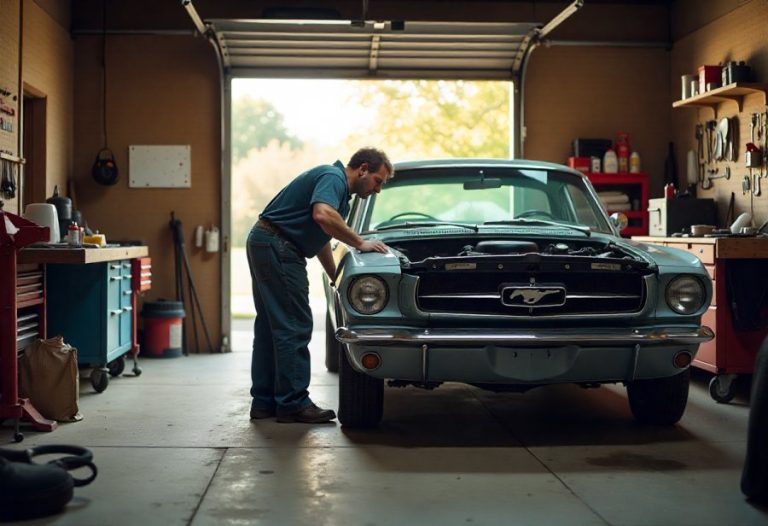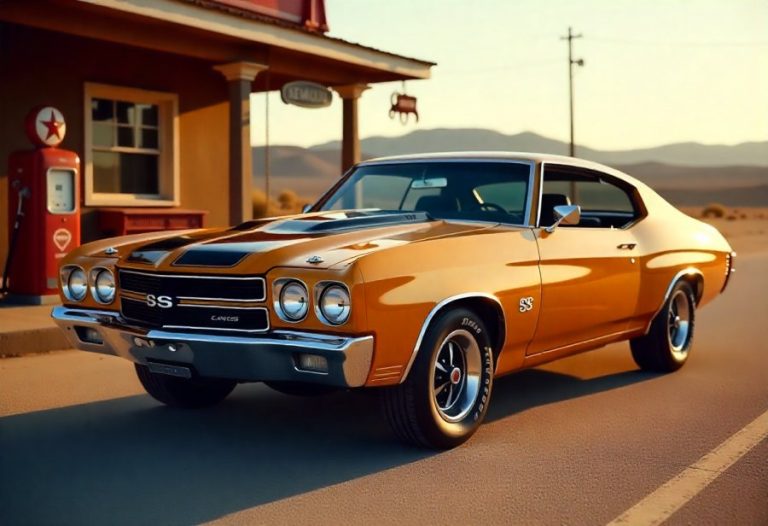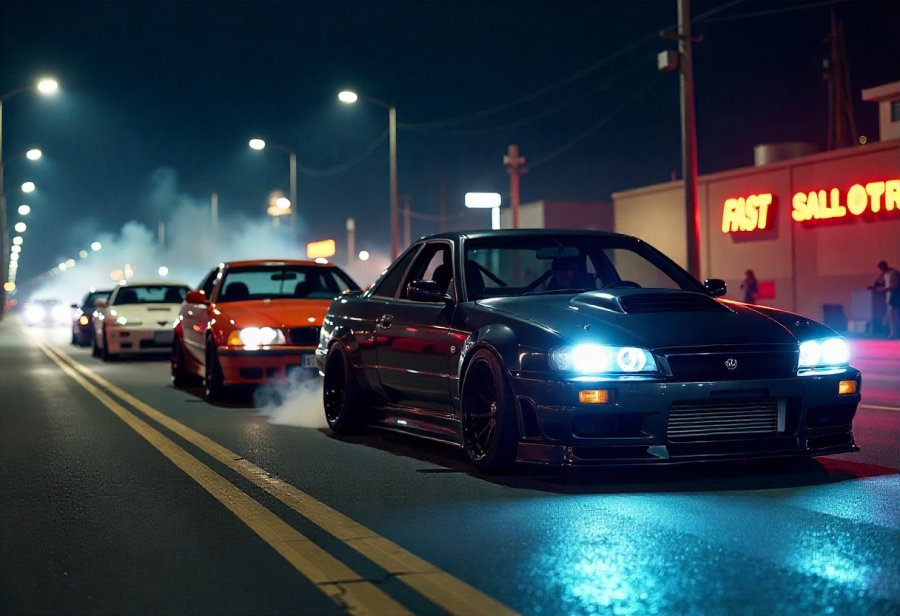
Underground street racing is a culture rooted in rebellion, adrenaline, and unbreakable brotherhood, thriving in the shadows of urban life. It’s more than just high-speed escapes; it’s a ritual of loyalty, trust, and resilience forged through late-night drives, shared risks, and custom cars that reflect individual style. Films like the ‘Fast and Furious’ series have romanticized this scene, highlighting themes of defiance and camaraderie, while social media offers a behind-the-scenes glimpse into its artistry and community. Despite its illegal status and dangers—reckless driving, injuries, and legal crackdowns—the bonds formed among racers transcend the asphalt, creating lifelong relationships based on mutual support and tradition. As technology evolves and legal pressures mount, can the culture adapt without losing its core spirit? Will sanctioned racing zones preserve the brotherhood that fuels this rebellious community? This ongoing tension raises questions about the future of a scene built on speed, loyalty, and shared identity.
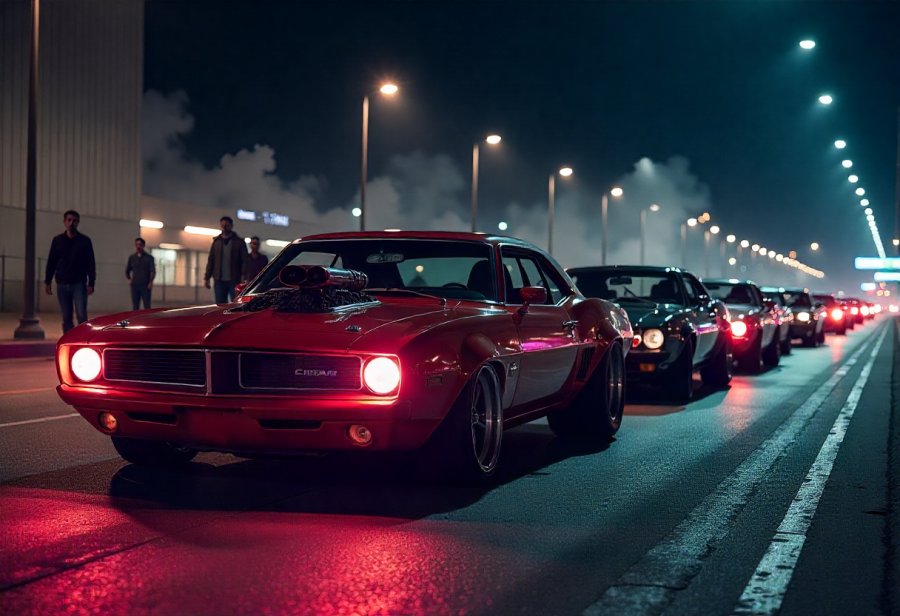
Underground Street Racing: A Culture of Rebellion and Brotherhood
Underground street racing has long thrived in the shadows of urban life, fueled by a mix of adrenaline, rebellion, and a desire for freedom. What started with a few enthusiasts looking to test their skills outside the confines of legal racing tracks quickly grew into a vibrant subculture. These clandestine gatherings often take place in empty parking lots, deserted backstreets, or abandoned industrial areas, where the risk adds to their allure. For many, it’s about more than just speed; it’s a statement of independence and defiance against societal norms.
Over the years, what began as spontaneous meetups transformed into organized scenes with their own rituals, codes, and communities. Drivers and crews develop a sense of identity rooted in loyalty and shared passion. Their vehicles become personal statements—custom paint jobs, engine swaps, aerodynamic kits—all reflecting individual style and technical skill. The secrecy surrounding their meets only amplifies the sense of belonging, making each race feel like an act of rebellion that bonds participants tighter.
This culture isn’t solely about the rush of racing; it’s about a deep sense of brotherhood forged through shared risks and late-night drives. Relationships within crews often extend beyond the race itself—they’re built on trust, mutual support, and a collective pride. Whether repairing a damaged car after a crash or celebrating a hard-fought victory, these acts of loyalty create a camaraderie that goes far beyond the asphalt. It’s this sense of kinship that keeps the scene alive, even as external pressures mount.
The underground racing scene has also left an indelible mark on popular culture. Films like the “Fast and Furious” franchise romanticized the rebellious spirit, emphasizing themes of loyalty and brotherhood that resonate worldwide. Online videos and social media showcase the craftsmanship, community, and adrenaline rush, giving outsiders a glimpse into a world driven by passion and identity. Despite its illegal status, the scene’s influence extends into fashion, music, and automotive trends, inspiring young enthusiasts to see their cars as expressions of resilience and belonging.
However, the shadowy nature of street racing brings significant risks. Law enforcement views it as a threat to public safety, citing reckless driving, injuries, and property damage. Many racers see their activity as a cultural expression—an art of skill, loyalty, and resilience rooted in urban life. This tension creates a complex landscape where passion and danger coexist, making the fight to preserve the culture both urgent and delicate.
As technology advances, so does the organization behind clandestine races. Racers now use real-time communication tools and sophisticated tuning equipment to coordinate more discreetly. This evolution makes it harder for authorities to crack down, but it also raises safety concerns. Some communities are exploring regulated racing zones, aiming to keep the spirit alive in safer environments. These efforts could help preserve the core values of loyalty and brotherhood while reducing the dangers of illegal street racing.
In the end, underground street racing isn’t just about cars—it’s about the bonds formed through shared risks, late-night drives, and unbreakable loyalty. These relationships create a sense of belonging that many find nowhere else. Whether in shadowed streets or sanctioned venues, the spirit of rebellion and brotherhood continues to drive the scene forward, making it a resilient and defining part of urban culture.
The Unbreakable Bonds of the Street Racing Family
Underground street racing is about more than just pushing cars to their limits; it’s about forging bonds that go far deeper than the thrill of the race. For many racers, their crew isn’t just a team—it’s family. These relationships are built through countless late nights working on engines, sharing tuning secrets, and supporting each other during high-stakes moments. Loyalty becomes the currency that keeps these connections strong, turning a simple race into a testament of trust and brotherhood.
The bonds extend well beyond the track. They are rooted in shared experiences—fixing cars after a crash, celebrating hard-won victories, or offering comfort after a close call. These everyday acts of support cultivate a camaraderie that’s rare elsewhere. Crews operate as tight-knit groups, depending on each other’s skills and trust to face the dangers of the streets together. When someone faces trouble, the team rallies, reinforcing that sense of kinship that’s central to the scene.
Unwritten codes and traditions pass from veteran racers to newcomers, maintaining a sense of continuity and respect. Secret meet-up spots, mentorships, and rituals uphold the culture’s core values—safety, loyalty, and mutual respect. These shared customs create a collective identity, ensuring that each generation understands the importance of trust and support, keeping the brotherhood alive despite external threats.
What makes this scene special isn’t just the adrenaline or modified cars; it’s the people behind the wheel. The relationships formed through shared risks and late-night drives become lifelong bonds. These connections give racers a feeling of belonging that surpasses any trophy or record. Loyalty and kinship turn fleeting moments of speed into enduring relationships, making the community resilient against outside pressures.
Even as authorities crack down harder, the essence of these bonds remains unchanged. The brotherhood’s strength lies in the trust built over years of shared experiences—repairing damaged cars, covering mistakes, or simply being there for each other. These acts of loyalty forge an unbreakable fabric that holds the scene together, no matter how tough the legal environment becomes.
In the end, underground racing isn’t just about speed—it’s about the loyalty that fuels it. The deep bonds formed on shadowy streets or sanctioned venues are what keep the culture alive. These connections transcend the race itself, creating a sense of purpose and belonging that sustains the community through every challenge. It’s this unbreakable brotherhood that makes underground street racing more than just a sport—it’s a family forged in speed and trust.
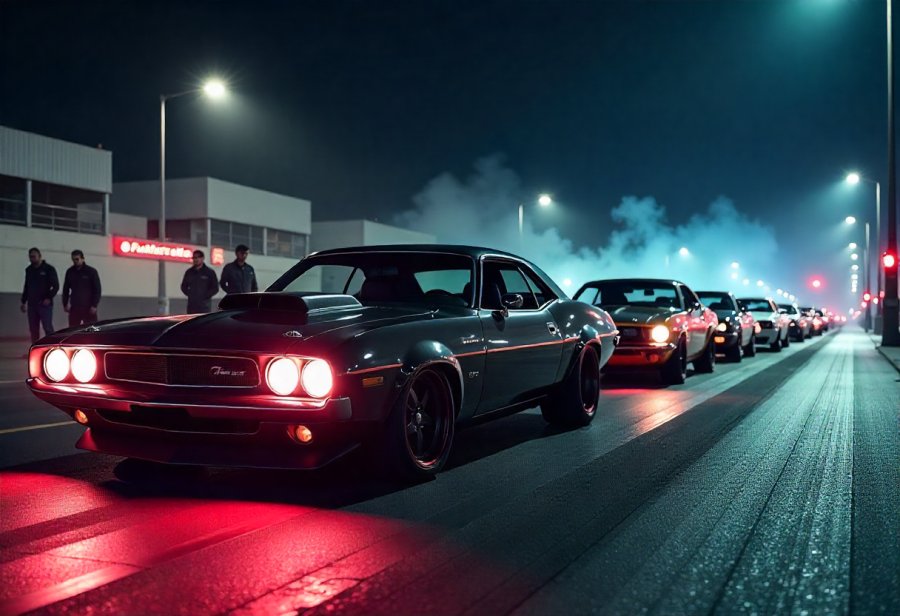
From Shadows to Screen: How Media Shapes Underground Racing’s Image
Underground street racing has made a significant mark on popular culture, shaping how many people see automotive passion and urban rebellion. Films like the “Fast and Furious” series have played a major role in romanticizing the scene, turning clandestine street races into glamorous, adrenaline-fueled spectacles. These movies highlight themes of loyalty, brotherhood, and defiance, resonating with audiences worldwide and elevating street racing from a secret pastime to a cultural icon. Their portrayal emphasizes not just speed, but a lifestyle rooted in resilience, camaraderie, and the thrill of rebellion.
Online platforms have also fueled fascination with street racing, offering a window into a world driven by craftsmanship and community. YouTube channels, documentaries, and social media profiles showcase skilled drivers, intricate car builds, and the rituals that define this underground culture. These videos and posts reveal a behind-the-scenes look at a scene built on loyalty and technical mastery, often emphasizing the artistry behind each modification. While these portrayals romanticize the adrenaline rush and rebellious spirit, they also shed light on the deep bonds formed through shared risks and experiences, making the culture even more compelling.
However, the glamorization in media can sometimes blur the line between entertainment and reality. Stylized, fast-paced races often gloss over the true dangers—reckless driving, injuries, and legal consequences—that are part of everyday street racing. Despite this, the allure of defying authority and pushing personal limits keeps drawing new enthusiasts into the fold. The mix of danger and defiance fuels the scene’s mystique, inspiring a new generation to see street racing as a form of expression and identity.
The influence of underground racing extends beyond entertainment, shaping broader trends in automotive design, music, and fashion. Many young enthusiasts view their cars as personal canvases, expressing individuality through custom paint jobs, performance upgrades, and unique aesthetics. This cultural footprint influences mainstream styles, making street racing’s rebellious, creative spirit a key part of urban youth identity. Its impact reaches into everyday life, inspiring everything from streetwear to music genres that celebrate speed, loyalty, and resilience.
Looking ahead, the way media depicts underground racing will evolve with technology and shifting societal attitudes. Digital platforms will continue to showcase the skill, style, and brotherhood that define the scene, but there’s also a growing push for responsible storytelling. Some communities are experimenting with legal racing zones or controlled events, aiming to preserve the culture’s essence while promoting safety. This balance could help the scene adapt, ensuring that the core values of loyalty and kinship thrive even in a changing landscape, blending rebellion with responsibility for a sustainable future.
Voices from the Streets: Insights from Racers, Authorities, and Culture Experts
Inside the underground racing community, loyalty and trust form the foundation of every relationship. Veteran racers often describe their crews as family, built through countless late nights tuning engines, sharing secrets, and supporting each other during high-stakes moments. These bonds go far beyond the thrill of a race—they’re about dependability and mutual respect that hold the scene together. When someone faces trouble, whether with a damaged car or legal pressure, it’s that unwavering loyalty that keeps the community resilient.
Law enforcement views illegal street racing through a different lens. To them, it’s a serious threat to public safety, citing reckless driving, injuries, and property damage as common dangers. Many officers emphasize the unpredictability of these races, which often take place in hidden locations with little regard for bystanders. While they focus on enforcement, some recognize that many racers see their activity as a form of cultural expression—an art of skill, resilience, and urban identity. This tension makes cracking down complex, as racers adapt quickly, finding new spots and methods to avoid detection.
Cultural analysts highlight that despite its illegality, street racing fosters a unique sense of pride among participants. For many, their cars and modifications symbolize resilience, technical mastery, and belonging. The rituals, mentorships, and traditions within crews reinforce a collective identity rooted in loyalty and respect. These bonds turn fleeting moments of adrenaline into lifelong connections, creating a social fabric that sustains the scene beyond individual races. It’s about more than speed—it’s about forging a brotherhood that endures.
Mentorship plays a vital role in keeping the culture alive. Experienced racers often take newcomers under their wing, sharing tuning tips, safety practices, and the unspoken rules that uphold trust and loyalty. These relationships ensure that core values like respect and safety are passed down, preserving the integrity of the scene across generations. This mentorship strengthens both skills and bonds, fostering a sense of continuity amidst external threats.
Despite the risks, many insiders argue that the essence of underground racing lies in the relationships forged through shared experiences—late-night drives, car repairs, and facing danger together. These acts of support and trust create a sense of belonging that surpasses any trophy or record. Even as authorities intensify their efforts, the deep bonds built on loyalty and mutual support remain unbreakable, proving that the community’s heart beats strongest in its relationships.
While law enforcement continues to see illegal racing as a danger, some community voices advocate for safer alternatives. They argue that banning the activity only pushes it further underground, increasing the risks. Instead, establishing designated legal zones could preserve the culture’s core—brotherhood, loyalty, and the love of speed—while reducing danger. This approach aims to balance tradition with safety, ensuring that the bonds of the scene remain intact and vibrant for future generations.
Looking Ahead: The Future of Underground Street Racing and Its Enduring Spirit
As underground street racing continues to evolve, new opportunities and challenges shape its future. Advances in technology, like sophisticated tuning tools and real-time communication apps, are making clandestine races more organized and harder for authorities to track. These innovations enable racers to coordinate with greater discretion, pushing the boundaries of secrecy while maintaining their bond of loyalty. At the same time, mounting legal pressures and safety concerns are prompting communities to consider regulated racing zones or controlled events, offering a safer way to preserve the culture without the chaos of illegal street racing.
The core of this scene—brotherhood and loyalty—remains resilient despite external threats. The relationships formed through shared risks, late-night drives, and mutual support create a trust that’s difficult to break. As the scene adapts, many enthusiasts see the potential for safer, sanctioned environments where the community’s values can flourish without the constant fear of legal crackdowns. These spaces could uphold the spirit of brotherhood while significantly reducing the dangers, ensuring that the bonds of loyalty continue to thrive.
Looking ahead, underground racing may blend its rebellious roots with mainstream acceptance. Digital platforms and social media will likely keep showcasing the skill, style, and kinship that define the scene today. The key challenge is balancing that rebellious spirit with safety and legality. Some communities are already experimenting with official racing zones or events, aiming to keep the passion alive in a controlled environment. Such initiatives could transform the activity from a risky underground pastime into a respected part of urban culture, where safety and loyalty coexist.
Beyond the streets, the influence of underground racing ripples into fashion, music, and automotive design, inspiring a generation of young people to see their cars as expressions of resilience and identity. Many enthusiasts view modifications—custom paint, performance upgrades, and aesthetic touches—as a form of personal storytelling. This cultural footprint extends into mainstream trends, making street racing’s rebellious ethos a symbol of urban creativity and pride. Its impact is shaping broader youth culture, fostering a sense of belonging rooted in technical mastery and shared values.
As technological and societal shifts continue, the scene’s future might involve a hybrid approach—preserving the loyalty and brotherhood at its heart while embracing safer, more organized outlets. Community leaders, racers, and policymakers could work together to create sanctioned venues that uphold the core ideals of trust and resilience. These efforts would allow the culture to grow sustainably, nurturing the bonds that have kept it alive through decades of change. The hope is to turn rebellion into responsibility without losing the essence of what makes underground racing special.
Despite the risks and external pressures, the unbreakable bonds of loyalty and brotherhood remain the driving force behind the scene. These relationships, forged through shared dangers and late-night camaraderie, give underground racing its enduring strength. Whether in shadowy streets or regulated tracks, the sense of family and trust sustains the community’s spirit. As new generations enter the scene, their devotion to loyalty and resilience ensures that the culture will continue to thrive, carrying its core values into the future.
In the end, underground street racing is more than just speed—it’s about the connections that turn fleeting moments of adrenaline into lifelong bonds. The scene’s resilience lies in these relationships, which transcend legality and danger, forging a sense of purpose and belonging. As technology, society, and attitudes shift, the spirit of loyalty and brotherhood will keep driving the culture forward. No matter what form it takes, the essence remains: this is a community built on trust, shared risks, and an unbreakable sense of kinship that defies the shadows.
About the Author