
Could inner discipline be the true measure of lasting leadership strength? Throughout history, figures like Marcus Aurelius exemplify that genuine influence stems not from external victories or displays of power, but from mastery over oneself—resilience, self-awareness, and wisdom. This internal fortress enables leaders to navigate chaos with calm, make deliberate decisions, and inspire trust beyond fleeting achievements. As the world grapples with rapid change and complexity, the ability to govern one’s mind and emotions becomes more vital than ever. Are future leaders prepared to prioritize character over conquest? Embracing daily habits of reflection, mindfulness, and self-control transforms these virtues into tangible, resilient strengths. The emerging paradigm shifts leadership from superficial displays to authentic inner mastery—an essential foundation for enduring influence in an uncertain world. In the end, the greatest empire one can build is within, raising the question: how might inner discipline redefine the very nature of leadership?

Unveiling the Hidden Power of Inner Strength in Leadership
When we think about leadership, it’s easy to picture displays of strength—armies, banners, speeches, and external victories. We tend to assume that real power comes from what’s visible and tangible on the surface. But what if the most enduring form of strength isn’t about external achievements at all? What if true resilience and influence actually stem from within—guided by inner discipline, wisdom, and self-control? This idea challenges the common notion that leadership is primarily about conquest or dominance. Instead, it invites us to consider that the foundation of lasting leadership might be a ruler’s ability to govern themselves first.
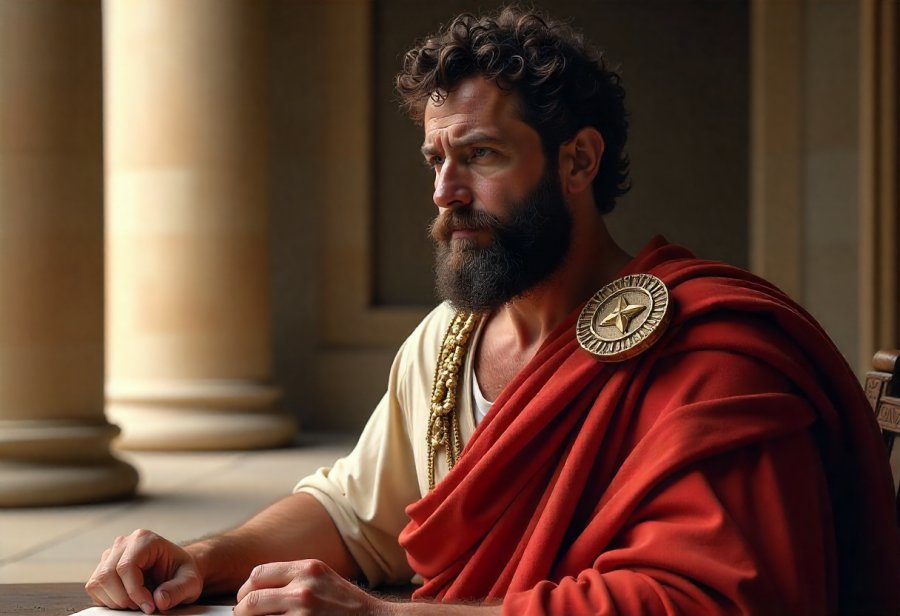
Throughout history, some of the most revered leaders have demonstrated that inner mastery can be more powerful than external displays. Marcus Aurelius, for example, ruled as a Roman emperor but dedicated much of his life to Stoic philosophy. His writings in Meditations reveal a man committed to self-discipline, resilience, and reflection—traits that kept him grounded amid chaos. His leadership was rooted not just in military might or political authority but in his capacity to master his mind and emotions. This internal strength allowed him to govern with integrity, even when external circumstances were at their worst.
The idea that inner discipline is central to true leadership suggests that qualities like self-awareness, emotional resilience, and intentionality are crucial. Leaders who cultivate these traits can stay calm in crises, think clearly under pressure, and act aligned with their core values. These qualities aren’t innate—they’re built through deliberate effort, reflection, and routines that reinforce mental resilience. By developing this inner foundation, leaders create a stable core capable of withstanding external upheavals and internal doubts alike.
Many great figures from different eras show us the power of inner discipline. Mahatma Gandhi’s unwavering commitment to truth and nonviolence sustained him through decades of struggle. Abraham Lincoln’s patience and calmness helped him navigate the Civil War, shaping the future of a nation. Ancient philosophers like Confucius emphasized self-cultivation as the key to effective leadership. Their lives prove that internal virtues—resilience, wisdom, and self-control—are what truly sustain influence over the long term, far beyond external achievements.
This perspective shifts our focus from superficial displays of power to the quiet strength that resides within. External victories can fade quickly, but internal mastery—the ability to govern one’s thoughts and emotions—remains resilient. Leaders who rely solely on external accolades risk losing influence as fast as they gain it. The lasting strength lies in the capacity to stay centered, to govern oneself with discipline and purpose. Marcus Aurelius’s example reminds us that the greatest empire a leader can build is within—an empire of character and mind that endures beyond external conquests.
Building the Foundations of Inner Discipline and Wisdom
Inner discipline in leadership rests on foundational qualities like self-awareness, resilience, and intentionality. At its core, it involves the capacity to regulate thoughts, emotions, and impulses, especially when external chaos or temptation strikes. This isn’t about suppressing feelings but understanding and managing them so that decisions stem from purpose rather than fleeting reactions. Wisdom then guides this process—helping leaders distinguish between what’s urgent and what’s truly important, ensuring their actions align with long-term values. Cultivating these traits requires consistent effort, through practices like regular reflection, mindfulness, and deliberate routines that strengthen mental resilience over time.
Self-awareness is essential because it reveals your strengths, weaknesses, biases, and emotional triggers. When leaders understand their motivations and emotional patterns, they can act with greater intention and authenticity. This clarity fosters trust and respect among followers, as it demonstrates integrity and self-control. Resilience complements self-awareness by enabling leaders to bounce back from setbacks without losing focus or composure. It’s developed through facing challenges directly, learning from failures, and maintaining a mindset of growth. Together, these qualities form a mental framework that supports stability and clear decision-making, even under pressure.
Philosophy plays a vital role in nurturing inner discipline. Engagement with Stoic, Buddhist, or ethical ideas provides practical tools—such as negative visualization, journaling, or meditation—that prepare leaders for adversity. These practices cultivate emotional stability and calmness, making difficult situations more manageable. For instance, contemplating worst-case scenarios reduces fear and attachment to outcomes, fostering a sense of mental calm. When integrated into daily routines, these exercises turn lofty virtues into tangible habits, embedding inner discipline into how leaders operate every day.
Throughout history, figures like Marcus Aurelius, Gandhi, and Lincoln exemplify how inner discipline shapes effective leadership. Marcus’s Stoic routines helped him govern with patience and humility, even amid turmoil. Gandhi’s unwavering commitment to truth sustained him through decades of struggle. Lincoln’s calmness and emotional restraint guided him through the chaos of civil war. Their lives demonstrate that inner discipline isn’t just an abstract ideal but a practical skill that translates into trustworthy, resilient leadership—built through daily habits and ongoing self-cultivation.
Developing this discipline doesn’t happen overnight; it’s a gradual journey of adopting small, deliberate habits. Daily reflection, mindful breathing, and setting clear intentions serve as anchors that reinforce stability and purpose. Starting with manageable routines prevents burnout and allows discipline to grow naturally. Consistency is key—these habits become second nature and form a sturdy mental fortress. Recognizing that progress takes time helps maintain patience and self-compassion, ensuring that each small victory adds to a resilient core capable of guiding others through any storm.
Mastering Inner Discipline Through Practical Traits and Practices
Inner discipline in leadership reveals itself through traits like calmness, consistency, and the ability to stay centered amid chaos. Leaders who cultivate this inner mastery tend to make decisions rooted in reason rather than emotion, even under intense pressure. It’s not about suppressing feelings but understanding and managing them so their actions remain aligned with long-term goals. This awareness allows leaders to recognize emotional triggers and respond thoughtfully, fostering trust and respect within their teams.
Practicing regular reflection and mindfulness strengthens this inner discipline. Leaders who carve out time for meditation, journaling, or deep breathing exercises develop mental habits that promote calmness and focus. These routines create a mental buffer between stimulus and response, making it easier to act deliberately rather than impulsively during crises. Over time, such practices reinforce resilience, helping leaders maintain clarity and composure, which in turn influences the stability of those they lead.
Self-awareness plays a crucial role here. When leaders understand their strengths, weaknesses, and emotional patterns, they can act with greater intention. This clarity keeps their actions aligned with core values and prevents reactive behaviors driven by frustration or ego. Such consistency not only boosts credibility but also sets a standard for others to emulate. Knowing oneself well provides a sturdy internal foundation that supports steady decision-making, especially in turbulent situations.
Applying wisdom involves actively choosing how to respond rather than merely reacting. Techniques like negative visualization or journaling prepare leaders for setbacks, reducing fear and attachment to specific outcomes. These mental exercises cultivate emotional stability, enabling leaders to navigate chaos with calmness and purpose. When practiced regularly, they turn abstract virtues into tangible habits, making inner discipline a natural part of their leadership style.
Many historical figures exemplify these traits in action. Marcus Aurelius’s Stoic routines helped him govern with patience and humility during turbulent times. Gandhi’s unwavering commitment to truth and nonviolence sustained him through decades of struggle. Lincoln’s emotional restraint and patience guided him through the chaos of civil war. Their lives show that inner discipline isn’t an ideal but a practical skill—one that can be developed through daily habits and ongoing self-cultivation—forming a resilient core that withstands any storm.
Cultivating Inner Resilience: Steps and Routines for Steady Leadership
Building inner discipline begins with small, deliberate habits that gradually strengthen mental resilience. Starting with a daily reflection routine can be a powerful step—spending just a few minutes each morning or evening contemplating your goals, values, and emotional responses helps create a habit of self-awareness. Journaling these thoughts clarifies your motivations and reveals patterns that may need adjustment, making it easier to stay aligned with your long-term purpose. Over time, this practice trains your mind to pause before reacting, encouraging thoughtful actions instead of impulsive ones.
In addition to reflection, mindfulness practices like meditation or deep breathing exercises reinforce your inner discipline. Even brief sessions of five to ten minutes can significantly improve your ability to remain present and calm under stress. Consistently integrating these routines develops mental habits that foster resilience, allowing you to maintain clarity and focus when external pressures mount. This mental space acts as a safeguard, helping you respond thoughtfully rather than impulsively—an essential trait for steady leadership.
Creating intentional routines further supports your capacity for self-control. Waking up early, practicing gratitude, or setting clear intentions at the start of each day serve as anchors that ground you amid uncertainty. These habits build a sense of stability over time, becoming second nature as they reinforce discipline and purpose. Starting small with manageable changes prevents burnout and allows these routines to grow naturally into a comprehensive system of mental resilience. The key is consistency—small, daily acts accumulate into a resilient mental fortress.
Resilience itself is cultivated through repeated effort and learning from setbacks. When challenges arise, instead of feeling defeated, reflect on what they teach you and where adjustments are needed. Viewing failures as opportunities for growth transforms obstacles into stepping stones, strengthening your inner resolve. Over time, this mindset makes resilience an automatic response, enabling you to handle adversity with calm and clarity. This mental toughness is what distinguishes fleeting influence from lasting leadership rooted in the capacity to stay centered regardless of external chaos.
Integrating simple, consistent habits into your daily routine creates a natural foundation for discipline. Taking a moment before responding to difficult situations, practicing gratitude regularly, or setting daily intentions all serve to reinforce your mental strength. These small acts, practiced consistently, become second nature, supporting your leadership and personal growth. Patience and self-compassion are essential—developing inner discipline is a gradual journey. Every small victory adds to a resilient core capable of guiding others through any storm, laying the groundwork for authentic, enduring leadership.
Shaping Future Leaders: The Transformative Role of Inner Discipline
As the world rapidly evolves, the way future leaders approach their roles is shifting toward valuing inner discipline more than external displays of power. Superficial strength, once seen as a mark of influence, no longer guarantees long-term impact in an era defined by social media, technological change, and global crises. Instead, those who cultivate self-awareness, resilience, and wisdom—traits rooted in inner discipline—will stand out as truly effective. These qualities foster clarity and purpose, earning trust and loyalty from followers in ways that superficial achievements simply cannot match. As a result, leadership is gradually moving away from dominance and control toward authenticity and character.
This transformation is especially clear given today’s complex challenges. External resources can be depleted or lost, but inner strength—built through self-control and mental fortitude—remains resilient. Leaders who master themselves are better equipped to adapt quickly, make ethical choices, and inspire confidence amid chaos. Titles and external accolades become less relevant when compared to the enduring influence of inner virtues. Investing in character and inner resilience isn’t just a personal benefit; it becomes a strategic advantage for navigating ethical dilemmas, conflict, and long-term vision-setting.
The next generation of leaders will be shaped by a broader cultural shift emphasizing emotional intelligence and moral integrity. Inner discipline enables calmness under pressure, active listening, and purposeful action—traits that foster environments of trust and collaboration. As organizations and societies grow more interconnected and unpredictable, the ability to govern oneself becomes essential. Leaders embodying inner resilience and wisdom will be more capable of guiding others ethically and effectively, even in turbulent times.
Technological advances also open new avenues for cultivating inner discipline. Meditation apps, biofeedback devices, and virtual reality tools make mental resilience training more accessible and personalized. These innovations enable leaders to develop emotional regulation and self-awareness with greater ease, turning ancient virtues into practical, daily habits. As science uncovers the brain’s capacity to change through consistent effort, the potential for self-mastery becomes more achievable than ever—making inner strength a realistic goal for aspiring leaders.
Looking ahead, character-driven leadership rooted in inner discipline will define those who make a lasting impact. Leaders prioritizing internal growth foster trust, stability, and integrity that ripple through their organizations and communities. Their ability to stay centered amid external chaos not only shapes their success but also sets a standard for others to emulate. In a world of constant change, the most influential figures will be those who understand that true strength comes from within—a foundation built on self-awareness, resilience, and wisdom.
Ultimately, the future belongs to those who recognize that lasting influence is rooted in inner discipline. Developing this internal strength is no longer a personal choice but a strategic necessity. Leaders who invest in cultivating their character will be better prepared to face ambiguity, inspire loyalty, and lead with authenticity. As we move forward, embracing the power of inner discipline will be the key to shaping resilient, trustworthy, and impactful leadership—ones who lead not just for today, but for generations to come.
About the Author