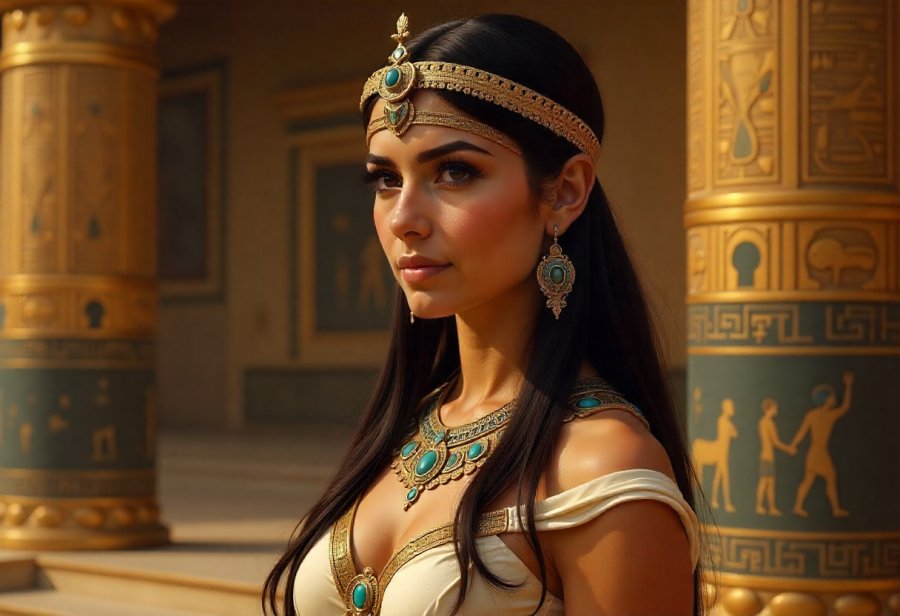
Beyond the glamorous myth Hollywood has painted, Cleopatra VII emerges as a formidable scholar-queen whose true legacy lies in her sharp intellect, diplomatic mastery, and strategic foresight. Her multilingual prowess, patronage of arts and sciences, and deep understanding of political currents exemplify a leader who valued knowledge as a vital tool for influence and survival. As she navigated internal rivalries and external threats—particularly from Rome—her ability to adapt and think several steps ahead set her apart. This portrayal challenges stereotypes of gender and beauty, emphasizing that authentic power stems from intelligence, resilience, and cultural literacy. Cleopatra’s story invites us to reconsider modern leadership, highlighting the enduring importance of continuous learning, empathy, and strategic patience. Could her legacy—built not on romance or superficial charm but on the power of the mind—offer timeless lessons for today’s world? Her life underscores that influence rooted in wisdom and adaptability leaves an indelible mark across ages.
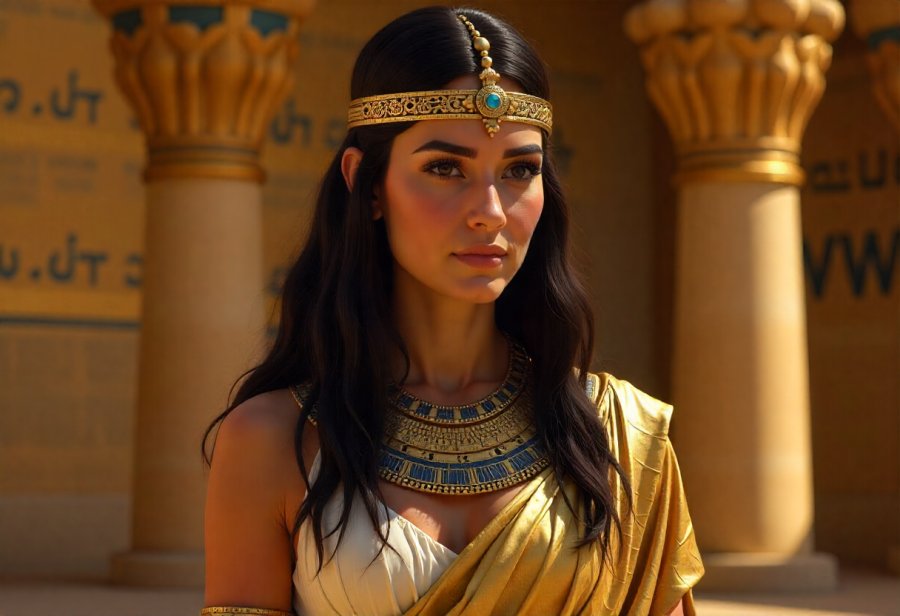
Unveiling Cleopatra’s True Power: Intelligence Over Glamour
Cleopatra VII is often remembered through Hollywood’s glamorous lens—seductive, mysterious, and exotic. But beneath that surface lies a figure of remarkable intelligence and strategic brilliance. As the last active ruler of Egypt’s Ptolemaic dynasty, she faced a turbulent political landscape filled with rival factions, shifting alliances, and the growing power of Rome. Her true legacy isn’t just about her beauty or romantic liaisons; it’s rooted in her sharp mind, diplomatic skill, and unwavering determination to protect her kingdom’s independence.
Cleopatra’s strength was primarily intellectual. She was a learned scholar-queen, fluent in multiple languages including Latin and Greek, which allowed her to communicate directly with foreign leaders and scholars. Her education in philosophy, science, and statecraft gave her an edge in diplomacy, enabling her to negotiate and strategize effectively. Unlike many rulers who relied solely on military force, Cleopatra understood that influence and power could be cultivated through knowledge, relationships, and adaptability.
Her leadership was shaped by a clear understanding of her world. She knew that true authority came from a combination of royal legitimacy, cultural literacy, and political agility. Her alliances with Julius Caesar and Mark Antony weren’t based on vanity but on strategic calculations designed to safeguard Egypt’s sovereignty. Her patronage of the arts and sciences, including her support for the Library of Alexandria, reflected her belief in knowledge as a vital tool for influence and stability.
Beneath the myths and romantic stories, Cleopatra’s real strength lay in her ability to think ahead. She navigated internal rivalries and external threats with wit and resilience, demonstrating that her greatest asset was her mind. Her story reminds us that leadership rooted in intellectual mastery, diplomacy, and strategic thinking can create a lasting impact that outlives superficial appearances or fleeting fame.
Cleopatra’s example shows us that true power in leadership comes from continuous learning, cultural literacy, and adaptability. Her multilingual skills and scholarly pursuits weren’t just personal interests—they were deliberate tools for political survival. Her legacy teaches that influence is built through knowledge, strategic foresight, and the ability to respond thoughtfully to change, qualities that remain relevant today.
Foundations of Power: Cleopatra’s Origins and Strategic Rise
Cleopatra VII was born into the Macedonian Greek Ptolemaic dynasty that took control of Egypt following Alexander the Great’s empire division. Her family lineage traced back to Ptolemy I, one of Alexander’s generals, who established a ruling house rooted in Greek customs but ruling over a land with a rich and ancient Egyptian history. This cultural blend created a unique political environment, where Hellenistic traditions merged with Egyptian traditions, shaping Cleopatra’s worldview and leadership style.
Her ascent to the throne was anything but straightforward. After her father’s death, she faced internal family rivalries and external threats from neighboring states vying for influence. Demonstrating remarkable political skill and resilience, Cleopatra managed to navigate these turbulent waters, consolidating her power amid factions and external pressures. Her ability to adapt and stay focused on her goal of securing her reign was key to her survival in a volatile landscape.
During her reign, Egypt was a kingdom of both cultural grandeur and internal division. The once-powerful civilization was weakened by factional struggles and external encroachments, especially from Rome. As Roman influence expanded across the Mediterranean, Cleopatra recognized the urgent need for strategic alliances. Her relationship with Julius Caesar in 48 BCE was a calculated move, helping her reclaim her throne and solidify her authority. This alliance was less about romance and more about political necessity, aimed at restoring stability and asserting Egypt’s independence.
The geopolitical landscape was increasingly dominated by Rome’s rising power. Cleopatra’s mastery of languages—particularly Latin and Greek—enabled her to communicate directly with foreign leaders and scholars, giving her an advantage in diplomacy. Her diplomatic finesse was vital in balancing internal authority and external influence, often negotiating complex alliances to protect Egypt’s sovereignty. Her alliance with Mark Antony further exemplified her strategic approach to maintaining her kingdom’s independence amid external threats.
Throughout her reign, Cleopatra also prioritized Egypt’s cultural and scholarly institutions. She patronized the Library of Alexandria, a hub of knowledge and innovation, and engaged personally in philosophy, science, and arts. These pursuits weren’t mere hobbies—they served as strategic tools to enhance her influence and foster a sense of Egyptian identity and pride. Her multilingual skills and scholarly interests allowed her to communicate effectively across cultures, positioning her as a leader rooted in intelligence and cultural literacy.
However, her reliance on powerful Roman allies has sparked debate among historians. Some view her as a shrewd diplomat who used her intellect to safeguard Egypt’s interests, while others see her dependence on Rome as a vulnerability. Internal challenges, including rival factions and family disputes, constantly tested her authority. Despite these hurdles, her resilience and strategic thinking kept her in power longer than many expected, demonstrating her ability to adapt under pressure.
Cleopatra’s story is ultimately a testament to the importance of cultural literacy, diplomacy, and strategic foresight. Her leadership was shaped by a deep understanding of her world’s complexities, leveraging knowledge and adaptability to survive and thrive. Her ability to think several steps ahead and respond thoughtfully to change allowed her to leave a legacy rooted in intellect and resilience—traits that remain relevant for leaders today.
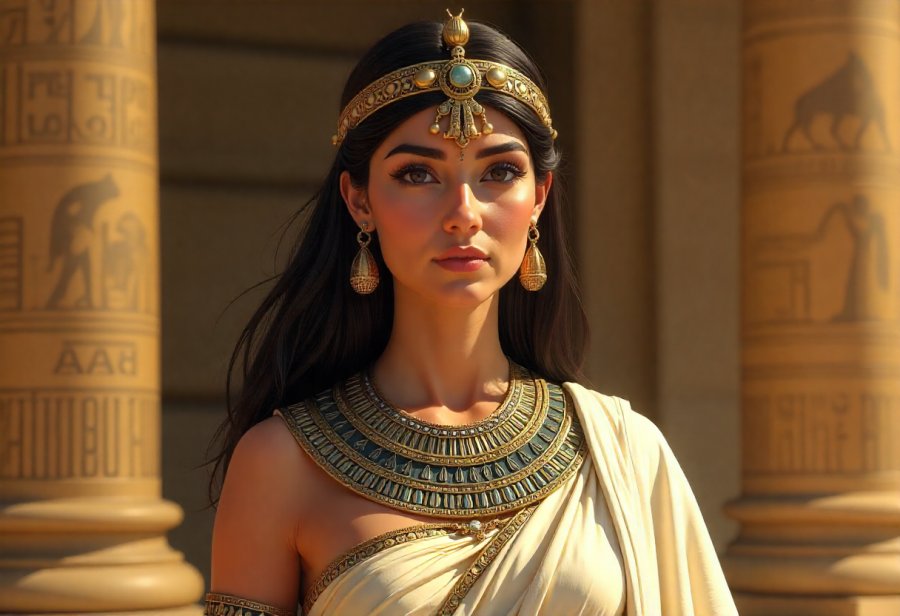
Leadership Redefined: Cleopatra’s Diplomatic and Scholarly Mastery
Cleopatra’s leadership was defined by a rare blend of sharp political insight, strategic negotiation, and a deep intellectual curiosity that set her apart from many of her contemporaries. She understood that influence extended beyond mere military might or royal authority; it depended heavily on her ability to forge alliances through diplomacy and intelligence. Her negotiations with Julius Caesar and Mark Antony were not just personal or romantic—each was a calculated move designed to strengthen Egypt’s position in a volatile region. Cleopatra mastered the art of reading political currents and adapting her approach, ensuring her influence was both strategic and enduring.
Her intelligence went far beyond politics. As a scholar-queen, Cleopatra was fluent in multiple languages, including Latin and Greek, which enabled her to engage directly with foreign leaders, scholars, and thinkers. This linguistic skill was a significant advantage, giving her the confidence to negotiate on equal footing and participate actively in philosophical and scientific debates. Her patronage of the Library of Alexandria and her personal involvement in scholarly pursuits weren’t just hobbies—they were deliberate tools to deepen her understanding of the world and to foster an environment of knowledge that bolstered her authority.
Cleopatra believed knowledge was a vital resource—one that could be harnessed to reinforce her leadership. She cultivated an environment where science, philosophy, and the arts thrived under her patronage, knowing that a well-educated court could serve as a strategic advantage. Her engagement with scholars and thinkers created an atmosphere of innovation and inquiry, reinforcing her image as a ruler rooted in wisdom rather than superficial charm. This intellectual foundation helped her make informed decisions that kept her throne secure amid internal rivalries and external threats.
Her strategic thinking extended to managing threats both inside and outside Egypt. She balanced internal stability with external diplomacy, often making long-term decisions that prioritized survival over short-term gains. Her alliances with powerful Roman figures, while controversial, reflected her understanding that political influence required flexibility and foresight. Cleopatra’s ability to anticipate challenges and respond thoughtfully—whether through her diplomatic finesse or her scholarly insight—enabled her to maintain power longer than many expected, demonstrating that her greatest strength was her mind.
Throughout her reign, Cleopatra exemplified leadership rooted in intellectual strength. She understood that true influence came from continuous learning, cultural literacy, and strategic foresight. Her multilingualism, scholarly pursuits, and diplomatic skills weren’t just personal interests—they were deliberate tools that shaped her rule. By seamlessly integrating her intelligence into her leadership style, Cleopatra proved that a ruler’s power could be built on the foundation of knowledge and adaptability, leaving a legacy that continues to inspire beyond myths and romantic tales.
Lessons for Today: How Cleopatra’s Legacy Shapes Modern Leadership
Cleopatra’s leadership offers timeless lessons that resonate even today, especially in navigating complex diplomacy and shifting power landscapes. Her ability to build strategic alliances and adapt to changing circumstances highlights qualities modern leaders continue to value: flexibility, cultural literacy, and foresight. She demonstrated that influence isn’t solely about titles or brute force but about understanding diverse perspectives and fostering trust across cultures.
Her emphasis on knowledge and education as sources of power remains relevant. Cleopatra’s multilingual abilities and patronage of arts and sciences show how cultural literacy can be a strategic asset. Today’s successful leaders recognize that meaningful communication and relationship-building hinge on genuine understanding and respect for different backgrounds. Her example underscores the importance of continuous learning and curiosity in maintaining influence.
In today’s interconnected world, her story encourages us to rethink traditional diplomatic strategies. While face-to-face negotiations are often replaced by virtual dialogues, the core skills of listening, empathy, and honest dialogue stay crucial. Cleopatra’s mastery in reading political currents and responding thoughtfully reminds us that influence depends on building authentic connections, not just issuing commands. Resilience and confidence, qualities she embodied, help leaders sustain stability amid chaos.
Her leadership also challenges stereotypes about gender and authority. Cleopatra proved that strength isn’t confined to any one gender but rooted in intelligence, resilience, and strategic thinking. Her example inspires leaders—regardless of gender—to leverage their ideas, emotional intelligence, and adaptability. This shift broadens the understanding of effective leadership, emphasizing mental agility over traditional notions of dominance.
Studying her legacy reminds us that influence is cultivated through growth, cultural awareness, and strategic patience. Investing in education, honing negotiation skills, and practicing resilience can create lasting impact. Cleopatra’s ability to think several steps ahead and respond with thoughtfulness underscores that leadership is an ongoing journey of learning—traits that remain vital today.
Reflecting on her example encourages us to sharpen our critical thinking, embrace curiosity, and develop resilience. Whether managing teams, navigating international relations, or pursuing personal goals, adopting these qualities helps us leave a meaningful mark. Cleopatra’s story illustrates that leadership rooted in the mind’s power not only endures but shapes the future, inspiring us to grow, adapt, and influence wisely every step of the way.
A Lasting Influence: Reflecting on Cleopatra’s Intellectual Leadership
Cleopatra’s story reminds us that leadership is defined by the strength of the mind, not just appearances or myths. Her ability to navigate complex political realities, forge vital alliances, and hold onto her throne for years showcases the power of intelligence, strategic thinking, and resilience. These qualities, rooted in her diplomatic skill and scholarly pursuits, created a legacy that endures beyond the romanticized tales often told about her. Her influence was built on a foundation of continuous learning and adaptability, demonstrating that true leadership relies on mental agility and foresight.
Her example underscores the importance of valuing knowledge and cultural literacy as vital tools for influence. Cleopatra’s multilingualism and patronage of arts and sciences weren’t just personal passions—they were deliberate strategies that reinforced her authority and expanded her reach. Today, effective leadership still depends on the ability to understand diverse perspectives, communicate across cultures, and foster trust. Cleopatra’s approach reminds us that influence is rooted in a deep well of knowledge, curiosity, and the willingness to adapt to changing circumstances.
In our modern world, her legacy encourages us to rethink traditional ideas of power and authority. Resilience, empathy, and strategic patience often matter more than titles or force. Her leadership shows that influence is cultivated through genuine relationships, cultural awareness, and a commitment to continuous growth. By embodying these qualities, leaders can navigate uncertainty and build lasting impact—just as Cleopatra did centuries ago. Her story challenges outdated stereotypes about gender and strength, emphasizing that intelligence and resilience are the real sources of authority.
Reflecting on her life, we see that the most enduring leaders are those who remain curious, adaptable, and willing to learn. Investing in education, honing negotiation skills, and practicing resilience can help us develop influence rooted in wisdom rather than superficial charm. Cleopatra’s ability to think several steps ahead and respond thoughtfully to challenges highlights that leadership is an ongoing process of growth and strategic action. These lessons resonate just as powerfully today as they did in her time.
Ultimately, Cleopatra’s legacy invites us to recognize that influence built on the power of the mind is the most lasting. Her example inspires us to develop our critical thinking, cultural literacy, and resilience—traits that can shape our personal and professional lives. Embracing these qualities allows us to leave a meaningful impact, influence others wisely, and adapt to whatever challenges come our way. Her story reminds us that true power lies within our capacity to learn, think critically, and lead with intelligence and integrity.
About the Author