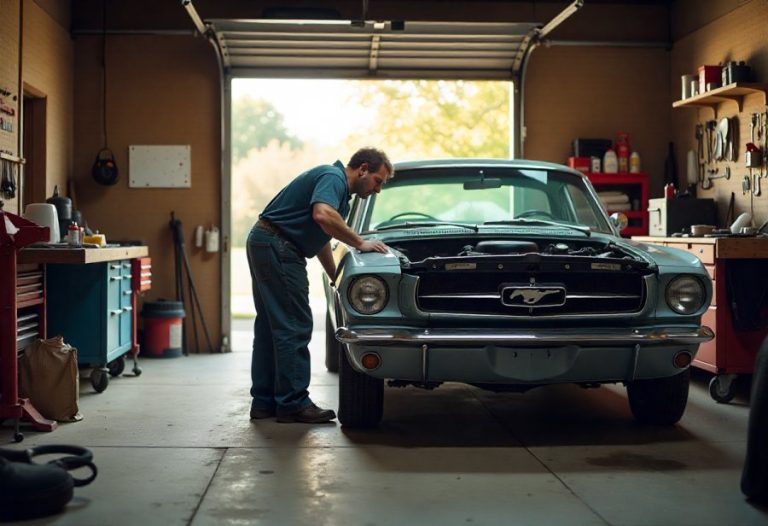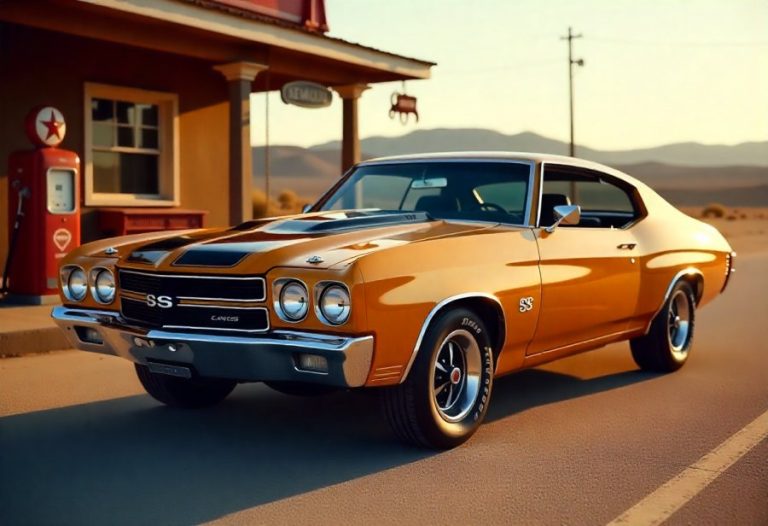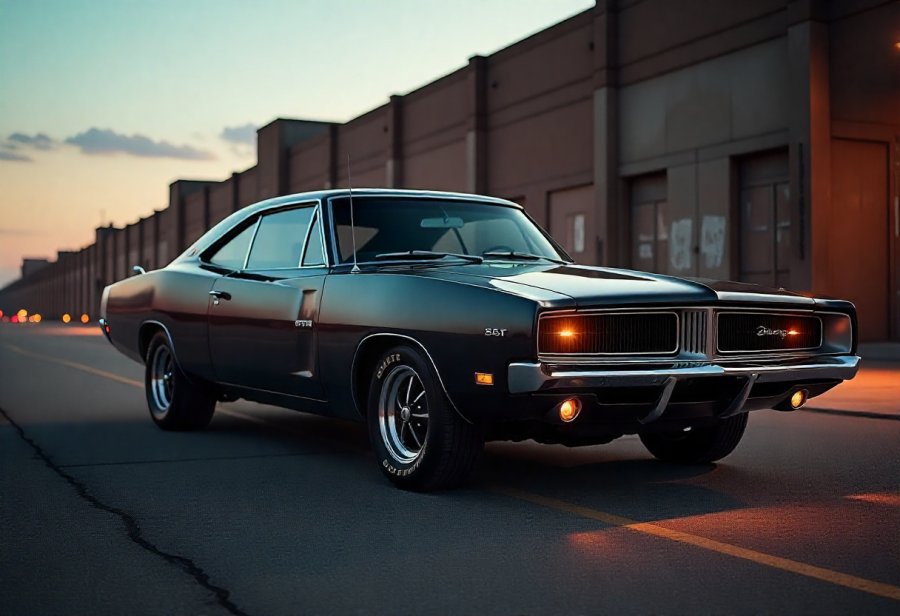
The Dodge Charger stands as an enduring symbol of American muscle and rebellious spirit, capturing imaginations from its late-1960s roots to modern-day powerhouses. Its iconic design — long hood, muscular stance, and distinctive taillights — screams primal strength, whether powered by legendary V8 engines or modern supercharged variants like the Hellcat. Over decades, the Charger has evolved from a street-racing legend into a technologically advanced vehicle, blending raw power with sleek innovation. Its cultural significance stretches beyond the road, featuring prominently in films, music, and street culture as a symbol of independence and daring attitude. But as automotive technology accelerates toward electrification, the question remains: can the Charger preserve its primal roar and rebellious soul while embracing the future? This ongoing evolution promises both new levels of performance and a continued legacy of freedom, power, and attitude that keeps American muscle roaring forward.
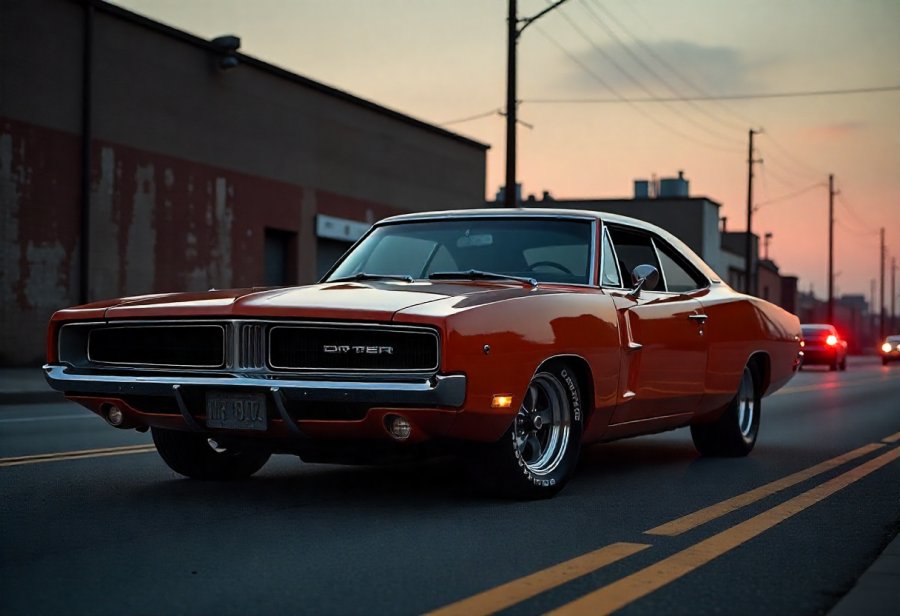
The Dodge Charger: An Icon of American Muscle and Rebellion
The Dodge Charger isn’t just a car; it’s a symbol of American muscle and rebellion that has captured imaginations for decades. From its debut in the late 1960s, the Charger became an instant icon, embodying freedom, speed, and a daring attitude that resonated with a generation eager to break free from conformity. Its bold design, deep growl of its engines, and street-smart stance made it stand out not only on roads but also in movies, music, and pop culture, cementing its place as a true cultural legend.
American muscle cars are all about power, aggressive styling, and a sense of individualism. They’re built to roar—fitted with large V8 engines and exhaust notes that evoke primal instincts. These cars aren’t just about transportation; they’re about making a statement. The Charger, in particular, has become a rolling declaration of independence, challenging societal norms with its aggressive stance and thunderous performance. Its design and attitude reflect a desire to stand out, to be noticed, and to push boundaries.
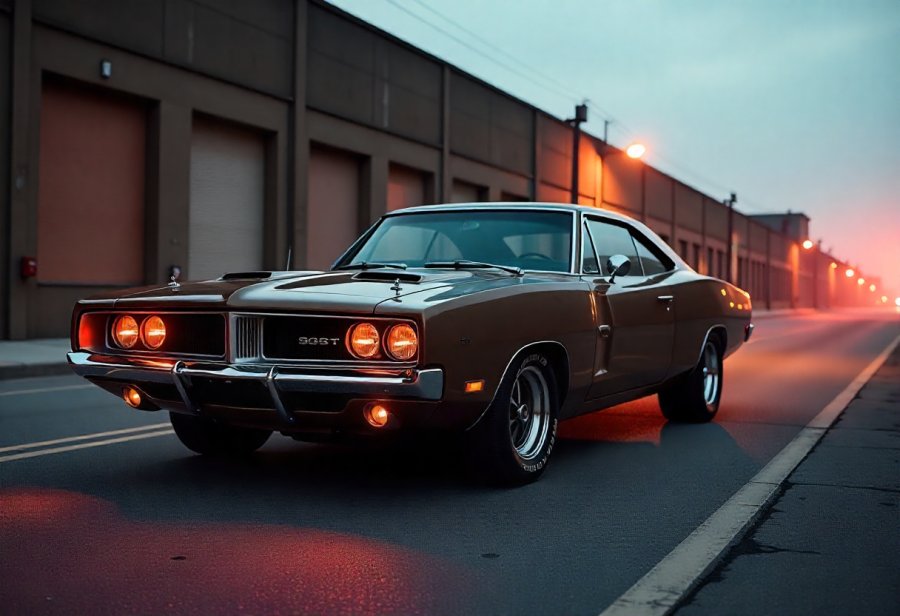
The classic Dodge Charger from the late ‘60s remains one of the most recognizable muscle cars in American history. Its sleek, aerodynamic lines, long hood, and wide stance gave it a commanding presence that could turn heads at a glance. Under the hood, legendary engines like the 426 HEMI delivered roaring performance, matching its bold looks with raw power. Its distinctive four round taillights, chrome accents, and optional racing stripes became symbols of speed and rebellion, making it a favorite among enthusiasts and collectors alike.
Over the years, the Charger has evolved from a street-racing legend to a modern powerhouse. Today’s models blend sleek, aerodynamic styling with cutting-edge technology—turbocharged V8s, digital dashboards, and advanced safety features—without losing that primal edge. It’s a perfect mix of nostalgia and innovation, appealing to those who seek raw power with modern comforts. Whether cruising city streets or tearing up the track, the Charger continues to embody the spirit of untamed American muscle and rebellious attitude.
At its core, the Dodge Charger embodies more than just performance; it’s a cultural statement. It represents a desire to break free from the ordinary, to embrace individuality, and to pursue adrenaline-fueled freedom. From its early roots to its modern incarnations, the Charger remains a symbol of primal instincts—speed, power, and rebellion—that inspire new generations to own the road with confidence and attitude. More than just a vehicle, it’s a legend that keeps roaring forward.
Roots of Power: The Origins and Development of the Dodge Charger
The story of the Dodge Charger begins in the late 1960s, a pivotal era when American muscle cars were taking center stage and capturing the hearts of speed enthusiasts. Dodge aimed to create more than just a fast vehicle; they wanted a bold statement on wheels. The goal was to craft a car with a sleek, aerodynamic profile that hinted at performance even when stationary. Long, flowing lines, a low stance, and a commanding presence set the Charger apart from the typical sedan, signaling its intent to dominate the streets.
From its inception, engineers experimented with various engine and chassis configurations to optimize power and handling. The focus was on balancing raw straight-line speed with confident cornering. Engines like the legendary 426 HEMI and the 440 Magnum became defining features, embodying the era’s rebellious spirit and the desire for unrestrained performance. These powerful motors weren’t just about brute force—they represented a generation eager to push boundaries and stand out.
Design played a crucial role in shaping the Charger’s identity. Its body featured a long hood, a short rear deck, and aggressive accents that hinted at its racing potential. Signature details like the four round taillights, chrome trims, and optional racing stripes made every Charger instantly recognizable. Dodge’s emphasis on aesthetic appeal combined with performance functionality created a vehicle that looked as fierce as it sounded, capturing the imagination of enthusiasts and collectors alike.
Early on, the Charger gained fame through its appearances in motorsports and pop culture. Dodge positioned it as a high-performance machine appealing to young drivers craving excitement and distinction. Its iconic presence in movies and street racing scenes cemented its reputation as a symbol of speed and rebellion. The 1966 debut marked a turning point, as the Charger broke away from traditional sedans, offering a fresh, daring take on American muscle cars that immediately resonated with fans.
Throughout its development, Dodge pushed boundaries to elevate the Charger’s status. The 1969 Charger R/T with the 426 HEMI stands out as a peak achievement, showcasing Dodge’s commitment to power and speed. That model set new standards in the muscle car world, inspiring enthusiasts and establishing a benchmark for future iterations. These early roots laid a foundation of raw power, bold design, and rebellious attitude that continues to define the Charger today.
As the years passed, the Charger evolved, blending its historic roots with modern innovations. Yet, the essence of its original design—aggressive, bold, and performance-driven—remained intact. The development journey reflects a relentless pursuit of speed and attitude, shaping a legend that continues to roar. Its origins tell a story of bold innovation and a desire to stand apart, forging an enduring legacy of American muscle and rebellion.
Modern Muscle: The Present-Day Dodge Charger Scene
The modern Dodge Charger continues to make a bold statement on today’s streets, blending its legendary past with cutting-edge automotive technology. Its aggressive, sleek design still hints at its raw power, featuring broad shoulders, a wide grille, and sharp LED headlights that command attention wherever it goes. While paying homage to its classic roots with bold lines and muscular proportions, recent updates have introduced modern aerodynamics that boost both performance and efficiency, ensuring the Charger remains relevant in a competitive market.
Underneath that commanding exterior, performance remains at the heart of the Charger’s identity. Base models come equipped with a V6 engine delivering around 300 horsepower, providing enough power to turn heads and deliver quick acceleration. For those craving adrenaline, high-performance trims like the Hellcat push beyond 700 horsepower, transforming the Charger into a street-racing beast. These engines are paired with advanced eight-speed transmissions that offer smooth, responsive shifts, making every drive exhilarating and visceral.
Inside, the Charger balances modern tech with driver-focused comfort. Digital dashboards, large touchscreens, and seamless smartphone integration keep drivers connected and in control. Despite its muscle car heritage, the interior offers a surprising level of refinement, with options for premium materials, heated seats, and customizable ambient lighting. This combination makes the Charger a practical daily driver that doesn’t sacrifice thrill or comfort, appealing to those who want performance without compromise.
Recent updates emphasize safety and driver assistance, incorporating features like adaptive cruise control, lane-keeping assist, and forward collision warnings. These systems enhance confidence without detracting from the driving experience. Handling and ride quality have improved thanks to refined suspension systems and lightweight materials, giving the Charger sharper agility and stability—whether cruising city streets or tearing up the track. Its wide stance and low center of gravity contribute to confident cornering at high speeds.
The attitude surrounding today’s Charger is a mix of nostalgia and excitement. Enthusiasts appreciate that it still embodies the rebellious spirit of its roots, with roaring engines and aggressive styling. Meanwhile, new buyers are drawn to its modern tech upgrades and safety features, making it as practical as it is powerful. Automotive media and influencers continue to praise its versatility, highlighting its ability to serve as both a street racing icon and a reliable daily driver, all while maintaining its legendary status.
In essence, the modern Dodge Charger proves that American muscle can evolve without losing its primal edge. It invites drivers to embrace their rebellious side, whether they’re seeking to make a statement on the street or simply enjoy the thrill of high performance. As technology advances and design refines, the Charger remains a symbol of untamed power and attitude—an icon that’s still roaring loud and proud, ready to own the road for years to come.
Cultural Icon: The Dodge Charger’s Role in Racing, Movies, and American Identity
The Dodge Charger’s reputation extends far beyond its sleek design and roaring engines; it has become a true icon within American culture, especially through its roles in racing and entertainment. On the streets and drag strips, the Charger has long been a favorite among street racers and performance enthusiasts. Its powerful engines and muscular stance lend themselves perfectly to modifications that boost speed and raw power, making each vehicle a personalized statement of dominance and individuality. For many owners, their Charger is more than just a car—it’s a symbol of rebellion, attitude, and a desire to stand out from the crowd.
In movies and television, the Charger’s presence is legendary. Most famously, it starred as “The General Lee” in *The Dukes of Hazzard*, where its bright paint, racing stripes, and distinctive silhouette became symbols of youthful defiance and Americana. Its appearances in action films and high-speed chase scenes further cement its reputation as a street-racing beast and a symbol of unrestrained power. The sound of its engine roar and its aggressive stance make it instantly recognizable, embodying speed, attitude, and rebellious spirit on the big screen.
Culturally, the Dodge Charger has transcended its role as a mere vehicle and become a symbol of American muscle and independence. Its image appears across songs, album covers, and street culture references, often representing swagger, risk-taking, and the pursuit of freedom. Car meets, muscle car festivals, and street racing communities celebrate the Charger as a cornerstone of American automotive identity. Vintage models like the 1968 R/T or the 1969 HEMI are highly prized by collectors and restorers, fueling the ongoing mythos that surrounds this legendary machine.
The customization scene keeps the Charger’s cultural relevance alive. Owners often modify their cars with performance upgrades, unique paint jobs, and exhaust systems that amplify its primal roar. These personal touches turn each Charger into a reflection of its owner’s personality and rebellious attitude, reinforcing its role as a symbol of individualism. Online communities and clubs dedicated to the Charger foster a shared passion, ensuring the legacy of this muscle car endures through generations.
While owning a vintage Charger involves challenges—such as sourcing authentic parts and maintaining its condition—enthusiasts see these obstacles as part of the appeal. Restoring and customizing these cars is a labor of love that preserves their authenticity and legendary status. The Dodge Charger’s enduring cultural significance lies in its ability to embody freedom, power, and rebellion, inspiring both collectors and everyday drivers to embrace their primal instincts on the road.
Gazing Forward: The Future of the Dodge Charger and Muscle Car Innovation
The future of the Dodge Charger promises to be as bold and unpredictable as its storied past. As automotive technology advances rapidly, electrification is reshaping the muscle car scene, and Dodge is clearly positioning the Charger at the forefront of this shift. Rumors suggest upcoming models will feature hybrid or fully electric powertrains, aiming to deliver instant torque and exhilarating performance while significantly reducing emissions. The challenge lies in maintaining that primal roar and rebellious spirit that have defined the Charger for decades, but early signs point to Dodge’s commitment to blending raw power with sustainability.
Electric motors are already proving capable of rivaling or surpassing traditional V8s in acceleration, and hybrid setups could serve as a bridge, offering performance with better fuel economy. Advanced battery technologies and electronic performance systems—like battery-assisted supercharging—are likely to unlock new levels of speed and handling. These innovations could redefine what a muscle car can do, blending modern efficiency with the aggressive attitude fans expect.
Design-wise, future Chargers are expected to retain their signature muscular silhouette but incorporate sleeker aerodynamics and lightweight materials. Active aerodynamics that adjust at high speeds may become standard, improving stability and speed without compromising that bold stance. Such features would not only boost straight-line performance but also enhance agility through turns, catering to drivers craving both raw power and precision handling. It’s a natural evolution that respects the car’s roots while pushing its capabilities further.
Technology will play a pivotal role in shaping the next generation of Chargers. Expect more intuitive, larger infotainment screens, seamless smartphone integration, and possibly augmented reality displays that keep drivers connected and informed. Advanced driver assistance systems—like adaptive cruise control, lane-keeping assist, and collision warnings—will become more integrated, offering safety without diluting the thrill of high-speed driving. These features aim to make the Charger more accessible and practical for everyday use while preserving its street-racing DNA.
As the muscle car scene continues to evolve, Dodge faces the task of preserving the Charger’s rebellious charisma in an electrified world. Some purists worry that the iconic engine roar might be replaced by electric whine, but others see this as an opportunity for innovation—delivering the same adrenaline with a greener footprint. Dodge appears committed to ensuring that performance, attitude, and the primal instincts that define the Charger are not lost but transformed, opening a new chapter in its legendary story.
Enthusiasts and owners should stay alert to emerging technologies and upgrade options. Hybrid conversions and performance tuning will likely become more common, allowing the Charger to adapt to a changing landscape without sacrificing its core identity. Meanwhile, designers and engineers are expected to focus on sustainable materials and innovative powertrain solutions that keep the Charger’s aggressive persona alive. This blend of tradition and progress promises to keep the Charger roaring for decades to come, ready to conquer roads new and old alike.
About the Author