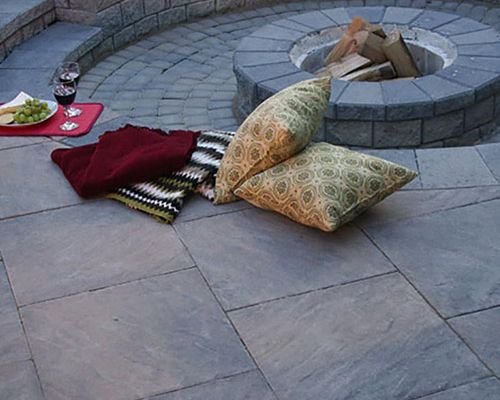
Imagine transforming your Toronto yard into a lush, sustainable sanctuary that balances beauty with ecological responsibility. Can outdoor spaces truly be both stunning and eco-friendly? This guide reveals how thoughtful landscape design integrates native plants, water-saving technologies, and recycled materials to craft resilient, vibrant environments. It explores practical strategies—from selecting native species to creating inviting focal points—that foster harmony, functionality, and sustainability. Yet, the challenge remains: how do you ensure these eco-conscious choices thrive long-term amidst Toronto’s climate? The future of landscape design is evolving with smart innovations and regenerative practices that restore ecosystems and support biodiversity. This approach not only elevates curb appeal but also champions responsible living, inspiring homeowners and professionals to rethink outdoor spaces as vital contributors to urban ecological health. Are you ready to embrace a green revolution that transforms your yard into a personal retreat—beautiful, sustainable, and built to last?
Transform Your Toronto Backyard with Expert Landscaping
Looking to elevate your outdoor space? Toronto Landscape & Design (TLD) offers exceptional backyard makeover services tailored to Toronto homeowners. Our award-winning designers meticulously consider natural stone features, water gardens, irrigation systems, and retaining walls to craft stunning, functional landscapes. Whether you want a serene water feature or a durable retaining wall, TLD’s team ensures every detail aligns with your vision. With years of experience, our experts are committed to creating outdoor environments that enhance beauty and value. Contact us today at 1.416.644.0499 or email [email protected] to start transforming your backyard into a personal oasis.
Transform Your Toronto Yard into a Personal Outdoor Sanctuary
Transforming Toronto yards into inviting outdoor retreats is more than just boosting curb appeal; it’s about creating personal spaces that enrich daily life. As city living gets busier and outdoor spaces shrink, having a peaceful, functional yard becomes a valuable escape right outside your door. A well-designed yard offers a sanctuary where you can unwind, entertain, or simply enjoy the changing seasons in comfort.
This shift toward outdoor living reflects a broader desire for spaces that blend beauty, practicality, and sustainability. Today’s yard transformations focus not only on aesthetics but also on environmentally responsible choices. Incorporating native plants, water-efficient features, and eco-friendly materials helps support Toronto’s local ecosystems and conserves resources, ensuring these outdoor spaces remain resilient year-round.
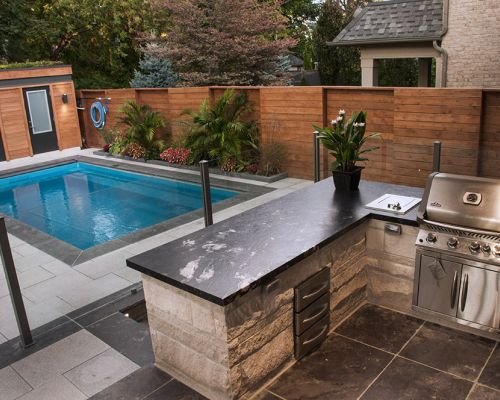
Designing a Toronto yard isn’t just about adding plants or hardscapes; it’s about tailoring each element to fit your lifestyle and values. Whether it’s an outdoor kitchen, a cozy fire pit, or lush privacy screens, every feature should serve a specific purpose. The goal is to create a seamless environment where beauty and functionality work together effortlessly, transforming an ordinary backyard into a true retreat.
Beyond visual appeal, a thoughtfully designed yard can improve drainage, reduce water waste, and attract local wildlife. Making sustainable choices from the start ensures your outdoor space is durable, eco-friendly, and cost-effective over time. These mindful decisions turn your yard into a personal sanctuary that’s both beautiful and responsible.
The process begins with understanding your vision, followed by careful planning and design. Selecting native plants suited to Toronto’s climate and choosing recycled or permeable materials for hardscapes help craft a space that’s both attractive and resilient. With attention to detail during installation and regular maintenance, your yard can become a lasting haven that enhances your quality of life.
Transforming a yard into an outdoor retreat isn’t just about aesthetics—it’s about creating an environment that supports relaxation, outdoor living, and sustainability. When designed thoughtfully, your outdoor space becomes an extension of your home, reflecting your values while providing a beautiful place to enjoy nature. It’s a project that, when done right, offers lasting value and a sense of personal achievement.
This approach proves that beauty and sustainability are not mutually exclusive; they can coexist seamlessly. By choosing eco-friendly practices and native plants, Toronto homeowners can enjoy lush, vibrant yards that are resilient to seasonal changes. These transformations not only elevate the look of your property but also contribute positively to the local environment.
In the end, a well-designed outdoor space becomes more than just a pretty yard—it becomes a personal retreat, a habitat for local wildlife, and a statement of responsible living. With thoughtful planning and execution, transforming your Toronto yard into a stunning, sustainable escape is entirely within reach. It’s about creating a space that you love now and that will thrive for years to come.
Foundations of Eco-Friendly Landscape Design for Resilient Yards
Sustainable landscape design is rooted in clear, practical principles that prioritize both ecological well-being and efficient resource use. Central to this approach is selecting native plants, which are naturally suited to Toronto’s climate and soil conditions. These plants require less water, fewer fertilizers, and minimal chemical treatments, making them a smart choice for eco-conscious homeowners. Beyond their low maintenance, native species support local wildlife, providing essential food and habitat for pollinators like bees and butterflies, which helps sustain the region’s delicate ecosystems.
Incorporating eco-friendly materials further strengthens sustainability. Permeable pavers, recycled aggregates, and reclaimed wood not only reduce waste but also allow rainwater to naturally seep into the ground. This minimizes runoff and eases pressure on Toronto’s stormwater systems, making landscapes more resilient. These materials also add visual interest and texture, creating a landscape that’s both functional and attractive, supporting environmental health at every turn.
Historically, yards were often designed solely for aesthetic appeal, with little thought given to ecological impact. As awareness of environmental issues has grown, landscape professionals now integrate water-saving techniques, native plantings, and recycled materials into their designs. This shift illustrates a broader understanding that beauty and sustainability are not mutually exclusive but can work hand in hand to create spaces that are both vibrant and resilient.
Design principles for these landscapes focus on harmony—balancing aesthetics with ecological function. Drought-resistant native plants reduce water consumption and chemical use, while strategically placed trees and shrubs provide natural shade and wind protection. Stormwater management features like rain gardens or bioswales help improve water quality and prevent erosion, all while adding visual appeal. These thoughtful choices foster landscapes that are visually stunning and environmentally responsible.
Native plants play a vital role in Toronto’s sustainable yards. They thrive with minimal intervention, reducing the need for watering, pesticides, or fertilizers. Their adaptability supports local wildlife, helping to rebuild and maintain healthy populations of native species. Over time, this approach lowers maintenance costs and effort, making sustainable landscaping more practical and accessible for homeowners.
Modern eco-practices continue to evolve, with innovations like drip irrigation, rainwater harvesting, and other water-efficient systems gaining popularity. The use of permeable surfaces—reclaimed pavers, gravel, and natural materials—allows stormwater to be absorbed naturally, reducing runoff and erosion. These practices not only improve environmental performance but also inspire creative, modern design solutions that blend seamlessly into the landscape.
Effective implementation starts with a thorough site assessment. Understanding Toronto’s climate, soil conditions, and existing plant life helps guide the selection of native species and sustainable materials. Working closely with clients ensures that every element—from plant choices to hardscape features—aligns with their values and lifestyle. Proper installation techniques and regular maintenance are key to ensuring these landscapes thrive long-term, delivering beauty and ecological benefits for years to come.

Strategic Design Tips for a Beautiful and Functional Toronto Garden
Creating a visually appealing and functional outdoor retreat in Toronto begins with thoughtful design that balances beauty with practicality. Layering native plants, shrubs, and trees adds depth and texture, transforming the yard into a lush, inviting space that feels both natural and cohesive. These plantings support local ecosystems and provide a seamless transition between different zones, whether it’s a cozy seating area, a dining space, or a play zone for kids.
Focal points like a water feature, fire pit, or a shaded lounge area serve as anchors that draw the eye and create a sense of purpose. Strategically placing these elements encourages outdoor gatherings and relaxed evenings, making the yard feel welcoming and personalized. When combined with carefully designed pathways and lighting, these features help foster an atmosphere that’s both inviting and navigable, extending usability into the evening hours.
Pathways made from permeable pavers or reclaimed stone connect different zones smoothly, guiding visitors naturally from one area to another. Low-voltage or solar lighting highlights key features and adds a warm glow, enhancing safety and ambiance. These details transform a simple yard into a cohesive outdoor space where every element works together to create harmony and flow.
Eco-friendly materials like reclaimed wood for benches or pergolas, coupled with drought-tolerant native plants, elevate the sustainability of the design. These choices not only reduce environmental impact but also add character and visual interest. The overall layout should feel open yet balanced, with each feature serving a purpose—be it relaxation, entertainment, or gardening—without cluttering the space.
Finally, infusing personal touches brings warmth and personality to the yard. Unique sculptures, colorful planters, or handcrafted furniture reflect the homeowner’s style and make the space uniquely theirs. Thoughtful placement of these details turns a beautiful landscape into a true sanctuary—an outdoor retreat that is as functional as it is stunning, designed to thrive through Toronto’s seasons and grow with its owners.
Implementing Sustainable Landscaping Practices in Toronto Spaces
Applying sustainable landscape design in Toronto requires a hands-on approach that begins with a thorough understanding of the site’s unique conditions. Assessing local climate patterns, soil quality, and existing vegetation helps determine the best native species and eco-friendly materials to incorporate. This foundation ensures the landscape is resilient, thriving through Toronto’s seasonal shifts while minimizing maintenance needs.
Choosing the right materials is crucial. Reclaimed wood, permeable pavers, and recycled aggregates not only reduce waste but also allow rainwater to seep naturally into the ground. These elements help manage stormwater effectively, lowering runoff and easing pressure on city systems. When integrated thoughtfully, they add texture and character, creating a landscape that’s both durable and visually compelling.
Collaboration with clients throughout the process fosters a shared understanding of sustainable options. Clear communication about the benefits of native plants, water-efficient systems, and recycled materials builds trust and helps set realistic expectations. Sharing visual plans and samples can make abstract ideas tangible, encouraging homeowners to take ownership of their yard’s eco-friendly features.
Toronto’s urban environment often presents space constraints and existing infrastructure challenges. Creative solutions, like compact native plantings, modular permeable paving, or small-scale rain gardens, allow designers to maximize sustainability without sacrificing style or function. Flexibility and innovation are essential to overcoming these hurdles and delivering a tailored outdoor space.
During installation, attention to detail is key. Proper planting techniques, precise placement of permeable surfaces, and secure installation of water-saving features ensure their long-term success. Regular site visits during construction help catch issues early, allowing adjustments that protect the integrity of the design and its ecological benefits.
Post-installation, educating homeowners on caring for native plants and maintaining eco-friendly systems encourages ongoing sustainability. Proper maintenance—like seasonal pruning and system checks—keeps the landscape healthy and functional, extending its lifespan and ecological value. When clients understand how their yard works, they’re more likely to preserve its health over time.
Ongoing monitoring and minor adjustments help adapt the landscape to changing conditions. Seasonal inspections, pruning, and tweaks ensure that native plants and water systems continue to perform optimally. This proactive approach guarantees the yard remains vibrant, sustainable, and beautiful for years, seamlessly blending ecological responsibility with everyday enjoyment.
The Future of Green, Resilient Outdoor Spaces in Toronto
The future of sustainable landscape design in Toronto is promising, driven by technological advances and a growing commitment to environmental responsibility. Smart irrigation systems, moisture sensors, and automated controls help homeowners conserve water effortlessly, making eco-friendly practices easier and more effective. These innovations ensure lush, resilient yards while reducing waste and energy use, aligning beauty with sustainability.
Materials are evolving rapidly, with biodegradable composites, recycled stone, and reclaimed wood becoming more accessible. These eco-friendly options not only add character and durability but also support resource conservation. As awareness spreads, such materials are expected to become standard choices, helping to lower the environmental footprint of yard transformations across Toronto.
Beyond technology and materials, regenerative practices are gaining prominence. Techniques like soil rebuilding, planting diverse native species, and creating wildlife corridors actively restore ecosystems. These approaches recognize outdoor spaces as integral parts of urban ecology, supporting biodiversity and ecological resilience while offering aesthetic and recreational benefits.
Staying informed about emerging trends is vital for homeowners and professionals alike. Industry events, educational programs, and community initiatives foster awareness of innovative practices, encouraging wider adoption. This ongoing learning ensures that landscape designs evolve in harmony with new technologies and environmental challenges, keeping Toronto at the forefront of responsible outdoor living.
Addressing climate change’s unpredictable impacts is increasingly central to resilient design. Selecting drought-tolerant native plants and weatherproof materials guarantees yards remain vibrant through all seasons. This focus on durability not only protects investments but also builds confidence in outdoor spaces capable of withstanding Toronto’s shifting climate realities.
Looking ahead, integration of eco-friendly technologies and regenerative techniques will deepen. Collaboration among designers, homeowners, and communities will inspire more responsible, creative outdoor environments. These trends reinforce that sustainable landscape design isn’t a passing fad but a fundamental shift toward healthier, more resilient outdoor spaces for generations to come.
As Toronto continues to grow, balancing beauty and sustainability will remain a core goal. Thoughtful, innovative design can turn outdoor spaces into personal sanctuaries that support local ecosystems while reflecting individual style. The ongoing evolution of eco-conscious practices promises yards that are not only stunning but also serve as active contributors to environmental health.
In the end, embracing these trends means creating landscapes that thrive long-term, combining aesthetic appeal with ecological function. It’s about making responsible choices today to ensure vibrant, resilient outdoor spaces tomorrow. The future of landscape design in Toronto is one where beauty and sustainability walk hand in hand—an exciting journey toward greener, more inviting outdoor retreats.
About the Author