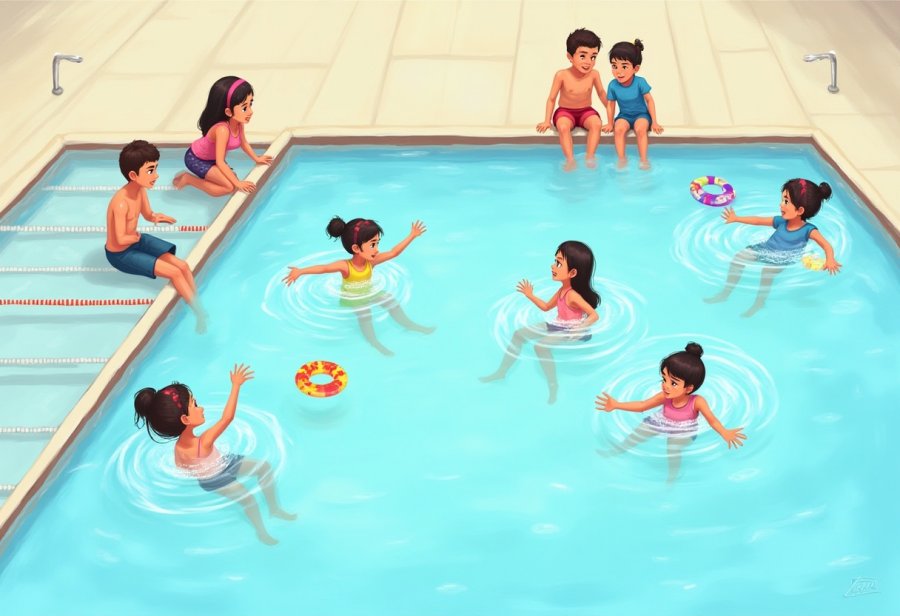
What if the water’s embrace could transform lifelong fears into newfound freedom, no matter your age? Learning to swim isn’t just a childhood milestone—it’s a life-changing skill that builds confidence, enhances safety, and sparks joy. Many adults harbor anxieties rooted in past experiences or cultural beliefs that it’s too late to learn. Yet, with patience, perseverance, and practical strategies—like starting in shallow water, setting small goals, and practicing consistently—water confidence can be achieved at any stage. This journey involves more than mastering strokes; it’s about reshaping perceptions, overcoming mental barriers, and embracing water as a space of opportunity rather than fear. As societal attitudes shift, the message is clear: it’s never too late to take that first courageous step. The rewards—personal growth, safety, and a lifelong connection with water—are within reach, waiting for you to dive in.
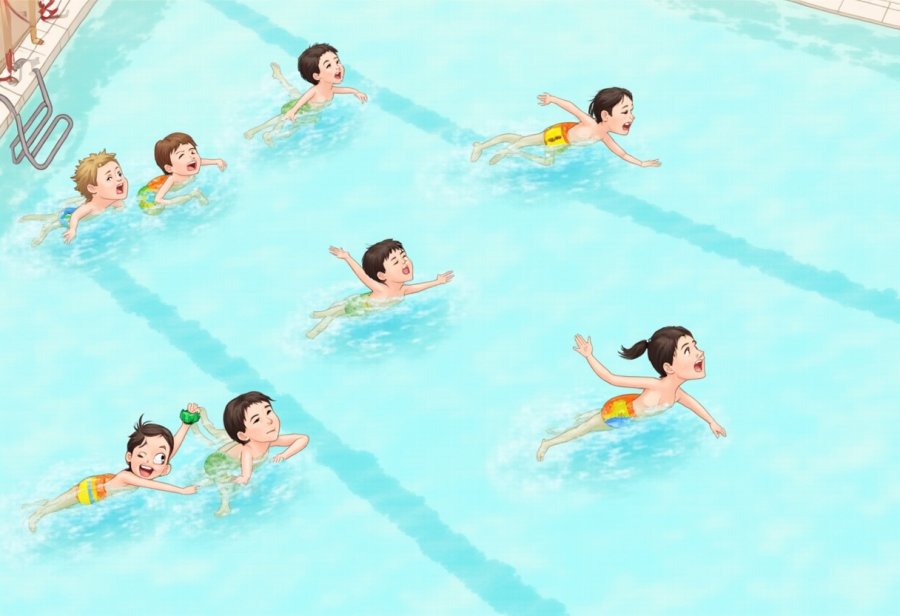
Transforming Fears into Confidence: The Lifelong Journey of Swimming
Learning to swim isn’t just a childhood milestone—it’s a skill that can be developed at any age and can completely change how you experience water. Many adults carry fears or anxieties about swimming that can feel overwhelming—whether it’s the fear of drowning, losing control, or simply not knowing how to move confidently in the water. The good news is that these fears are not fixed. With patience and the right guidance, anyone can learn to feel comfortable and even enjoy being in the water. It’s not about becoming an expert overnight; it’s about building trust in your body and overcoming mental barriers, one small step at a time.
Starting this journey as an adult can seem intimidating, especially if you’ve avoided water for years or have negative memories tied to it. But taking that first step—like getting into shallow water, practicing breathing exercises, or using flotation devices—can be incredibly empowering. These small victories help break down the mental barriers that keep many adults from even trying. As you expose yourself gradually and consistently, water begins to feel less like a threat and more like a safe space. Over time, familiar routines and supportive instruction turn initial fears into confidence.
The benefits of learning to swim as an adult go far beyond the physical act. It’s a vital safety skill that can prevent accidents and even save lives. More than that, it’s a boost to your confidence, helping you feel more in control in water-related situations. Swimming offers a low-impact, full-body workout that enhances physical health and reduces stress, promoting relaxation. Embracing lifelong swimming isn’t just practical; it’s a way to reclaim a sense of freedom and joy that water can offer at any age.
Many adults hesitate because they believe it’s too late or that they’re too old to learn. But that’s a misconception. Every person’s journey is unique, and progress depends on patience and persistence. Feeling uncomfortable at first is normal, but with consistent practice and a positive attitude, those feelings fade. Each small step—whether floating, breathing calmly, or swimming a few strokes—builds confidence and opens up new possibilities. No matter where you start, the ability to swim can be yours, and the transformation from fear to freedom is well within reach.
Taking that first courageous step might be the biggest challenge, but it’s also the most rewarding. When you begin to see water not as a source of anxiety but as a place of opportunity, everything changes. Water becomes a space for recreation, safety, and personal achievement. It’s never too late to learn or to deepen your connection with water. The journey from hesitance to confidence is a gradual process, full of small victories that add up to a lifelong skill. And once you start, the water’s welcoming embrace is waiting to support your growth.
Evolving Attitudes: How Cultural Shifts Have Redefined Adult Swimming
Historically, swimming was seen primarily as a skill for children, taught mainly for safety reasons. Many adults grew up with limited exposure to water and believed that learning to swim was unnecessary or only relevant for the young and athletic. In some cultures, water activities weren’t part of daily life, which reinforced the idea that swimming was something to be learned early or not at all. This created a lingering stigma around adults starting later in life, leading many to feel it was too late or too difficult to catch up.
Over the decades, perceptions began to shift as public health campaigns and safety initiatives emphasized that water skills are vital for everyone, regardless of age. These efforts helped break down the outdated notion that swimming was solely for children or the naturally gifted. Today, there’s a growing understanding that learning to swim as an adult isn’t just possible—it can be life-changing, opening new opportunities for safety, recreation, and confidence.
The development of formal swimming instruction played a key role in this changing attitude. Ancient civilizations like Egypt and Greece recognized water safety as essential, often using swimming for survival and recreation. As societies modernized, organized lessons became more widespread, especially with the rise of public pools in the 19th and 20th centuries. These facilities made swimming accessible to adults who previously thought they’d missed their chance, fostering a culture of lifelong learning.
In the last century, community programs and specialized classes aimed at adult learners gained popularity. These initiatives challenged the old stereotype that swimming was only for the young, emphasizing that it’s never too late to learn. Media stories and influential figures also helped reshape perceptions, showcasing adults learning to swim well into their 40s, 50s, or beyond. Such stories inspire others to view water as a source of joy and empowerment rather than fear.
The narrative has shifted from skepticism to encouragement. Today’s society recognizes that water confidence can be built at any age, and that the journey to swimming isn’t limited by time or past setbacks. The idea that it’s too late to start is increasingly outdated. Instead, the focus is on inclusivity and support, making water skills accessible and achievable for everyone, no matter their background or experience.
This cultural evolution has created a more welcoming environment for adult learners. It’s now common to see community classes, adult swim programs, and online resources tailored to beginners. These changes help adults overcome doubts and embrace water with confidence. The message is clear: learning to swim later in life is not only possible but can be a deeply rewarding experience that lasts a lifetime.
Overall, the attitude toward adult swimming has transformed from one of limited expectation to one of optimism and possibility. The stigma has diminished, replaced by a recognition that water skills are vital, accessible, and enriching at any age. This shift encourages more adults to take that first step, knowing they’re part of a supportive community that values growth and lifelong learning.
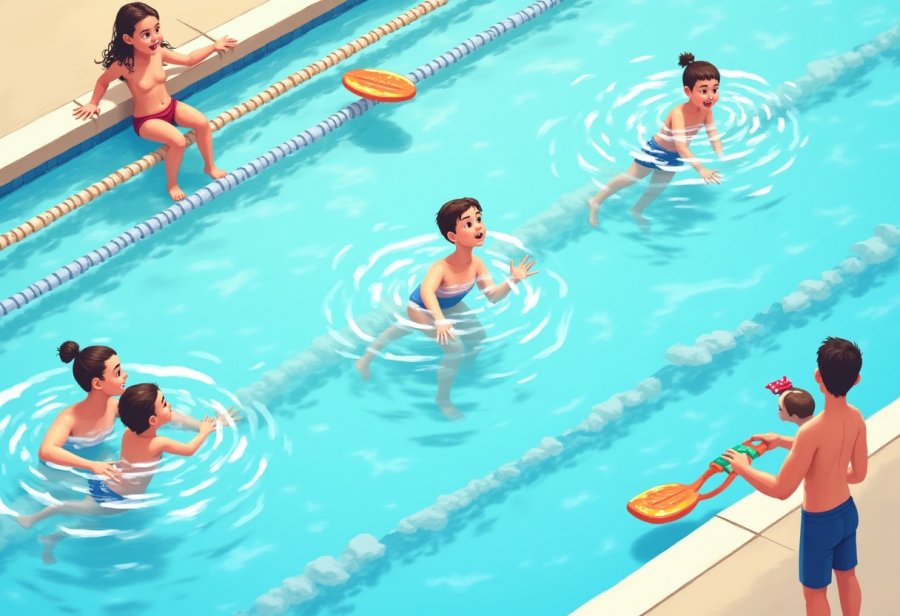
Key Principles for Success: Patience, Perseverance, and Safety in Learning to Swim Later
Learning to swim later in life revolves around embracing a few key principles that lay the foundation for success. Patience stands at the top of the list, as progress often happens gradually and setbacks are part of the journey. Every small achievement—like floating for a few seconds or mastering a steady breath—deserves recognition. These milestones build confidence and reinforce that steady, consistent effort leads to real change, not overnight perfection.
Perseverance is equally vital. Overcoming water fears and acquiring new skills can be challenging, especially when frustration or doubt creeps in. Staying committed, even during difficult days, turns persistence into a powerful motivator. Regular practice, whether weekly lessons or daily short sessions, helps embed techniques and gradually replaces anxiety with familiarity. The key is to keep showing up and trusting the process, knowing that progress might be slow but sure.
Safety isn’t just a precaution; it’s the backbone of a positive learning experience. Respect your limits and always practice in supervised environments. Using flotation aids when necessary and sticking to shallow water initially provides peace of mind. Listening to your body, taking breaks, and avoiding risky behaviors like diving into shallow areas create a secure space for growth. When safety becomes second nature, it allows you to focus fully on building skills and confidence.
A mindset shift from fear to curiosity makes all the difference. Setting small, achievable goals such as blowing bubbles or floating unassisted helps foster a sense of mastery. Celebrating these wins fuels motivation and reduces mental barriers. Support from instructors or water buddies offers reassurance and personalized encouragement, making difficult moments easier to overcome. Over time, this positive mental approach transforms swimming from a source of anxiety into a rewarding pursuit.
Recognizing that everyone’s learning curve is different helps maintain patience. Some progress quickly, while others need more time. Comparing yourself to others is counterproductive; focus instead on your personal journey. Viewing setbacks as opportunities for growth keeps motivation high and prevents discouragement. With persistence, safety, and a positive attitude, water confidence will develop steadily and naturally.
Building water skills is about progress, not perfection. Each small step creates momentum, turning initial discomfort into a sense of achievement. As confidence grows, water transforms from a source of fear into a space of freedom and fun. This approach ensures that learning to swim later in life remains an inspiring, attainable goal—one splash at a time.
Practical Steps for Beginners: Hands-On Tips to Build Water Confidence
Starting your water confidence journey as an adult can seem overwhelming at first, but breaking it down into practical steps makes the process more approachable—and even enjoyable. Begin by selecting a pool that feels safe and inviting, ideally shallow enough for you to touch the bottom comfortably. Spend time sitting at the edge, splashing around, or simply getting used to the water’s touch. These small acts help reduce initial anxiety and build familiarity, making the water feel less intimidating.
Consistency is your best friend here. Short, regular sessions—around 10 to 15 minutes a few times a week—are more effective than sporadic, lengthy visits. Focus on simple tasks like blowing bubbles, floating on your back, or dipping your face in the water. These exercises gradually develop your comfort level and trust in your body. Celebrating each tiny success, whether it’s floating unaided or breathing calmly, reinforces your progress and makes the experience rewarding rather than stressful.
Creating a routine helps solidify your skills and reduces uncertainty. Set realistic goals for each session, such as mastering a particular breathing technique or floating independently. Deep breathing exercises can calm nerves and help you stay relaxed, which is essential for learning. Avoid rushing or pushing yourself too hard early on; instead, focus on gentle progress. Patience and persistence turn initial discomfort into confidence, transforming water from a source of fear into a space of achievement.
Safety should always be your priority. Practice in supervised environments, and don’t attempt new skills alone until you feel more confident. Use flotation aids like kickboards or noodles when needed, especially in the beginning. Stick to shallow areas where you can touch the bottom comfortably, and follow pool rules carefully. These precautions create a secure environment, making each lesson a positive step forward rather than a risky endeavor. When safety is woven into your routine, it allows you to focus fully on learning and enjoying water.
Working with a supportive instructor or a trusted water buddy can make a significant difference. An experienced guide offers personalized advice, encouragement, and reassurance tailored to adult learners overcoming fears. Watching instructional videos or reading beginner guides also provides visual cues and techniques to practice at your own pace. Remember, every small step is progress, and with patience, consistency, and a positive attitude, water confidence will grow naturally.
As your comfort in the water deepens, the journey becomes less about overcoming fear and more about discovering joy. Celebrate each milestone, no matter how small, and recognize that water is a space for fun, safety, and personal growth. With steady effort and a supportive mindset, you can transform your initial apprehension into lifelong confidence—one splash at a time.
Your Path Forward: Embracing Growth and Joy in Lifelong Swimming
Learning to swim later in life can be a truly transformative experience, opening doors to confidence, safety, and joy in the water. It’s not just about acquiring a new skill, but about breaking down mental barriers and reshaping how you see yourself in water environments. Every step forward—whether dipping your toes in or swimming unaided—brings you closer to feeling comfortable and confident. These small victories remind us that it’s never too late to start, and persistence makes all the difference.
As you progress, you’ll find water shifting from a place of fear to one of opportunity. Replacing doubts with curiosity and trust allows the water to become a space of relaxation and fun rather than anxiety. When you view swimming as a skill that enhances safety, recreation, and personal growth, the journey becomes more meaningful. These benefits—improved physical health, mental clarity, and a sense of achievement—accumulate with each new stroke and breath.
Many adults hesitate because they believe it’s too late or too difficult. But that hesitation often dissolves once the first step is taken. Progress varies from person to person, and that’s perfectly fine. The key is patience and persistence, celebrating every small victory along the way. Over time, these moments of success build momentum and deepen your connection with water, transforming fear into confidence.
Looking ahead, the possibilities that come with water confidence are endless. Imagine swimming comfortably at the beach, enjoying pool days without worry, or feeling secure in any water situation. These aren’t distant dreams—they’re achievable goals that begin with today’s decision to start. As more adults embrace lifelong learning, the narrative continues to evolve into one of empowerment and joy, regardless of age or experience.
Remember, this isn’t about perfection; it’s about progress. Each splash, each breath, each stroke adds to your growing confidence. With consistent effort and a positive mindset, what once seemed impossible gradually becomes second nature. The water is waiting to welcome you into a world of freedom and fun—your journey toward swimming confidence can begin right now, and the rewards will stay with you for a lifetime.
About the Author