
Nylon, a pervasive material in our daily lives—from clothing to industrial products—embodies both innovation and hidden environmental costs. Its creation relies heavily on petrochemicals extracted through methods that damage ecosystems, while its production involves energy-intensive chemical reactions releasing pollutants and greenhouse gases. Despite its durability and versatility, nylon’s resilience becomes a double-edged sword: it persists in landfills for centuries and sheds microfibers into waterways, harming marine ecosystems and entering the human food chain. As we marvel at nylon’s practicality, we must ask ourselves—are we overlooking the ecological toll behind its convenience? This exploration reveals the urgent need for sustainable alternatives and better waste management, urging a reevaluation of what we truly pay for in the pursuit of innovation. Can we reconcile the benefits of nylon with a responsible, environmentally conscious future?
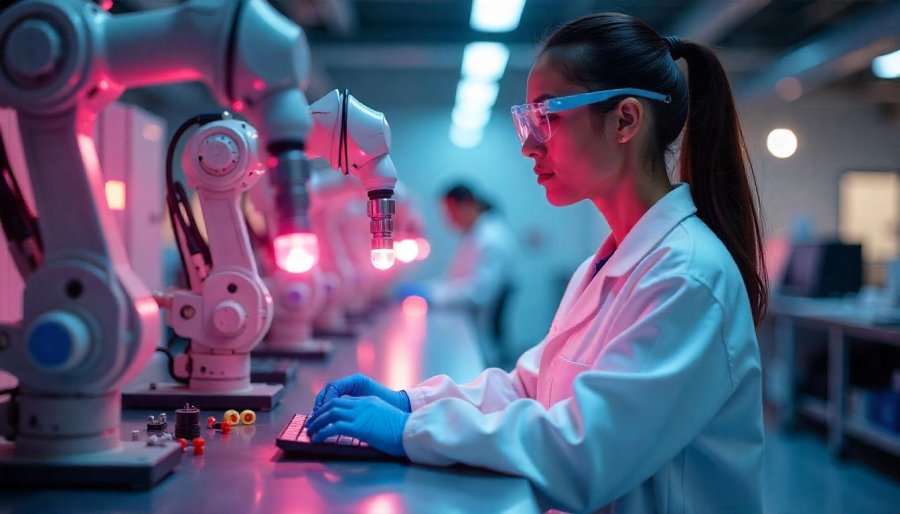
Unveiling Nylon: Hidden Environmental Costs of a Common Material
Nylon is one of those materials that’s all around us, often blending into daily life in ways we barely notice. From the clothes we wear to the carpets under our feet, and from sports gear to household items, nylon’s presence is both vast and quietly taken for granted. Its popularity comes from qualities like strength, flexibility, and affordability, which have made it a staple for manufacturers and consumers since it was first developed. These qualities have transformed countless industries, helping create products that are durable and cost-effective, but they also bring hidden costs that are often overlooked.
While we benefit from nylon’s versatility and resilience, few stop to ask where it actually comes from or what its production involves. We tend to focus on how it improves our lives—making products more affordable or long-lasting—without considering the environmental toll behind the scenes. The journey of nylon from raw chemicals to finished products is complex, involving chemical processes that require a lot of energy and resources. This complexity highlights the importance of understanding nylon’s full lifecycle, especially as concerns about sustainability and environmental impact grow louder.
Nylon’s origins date back to the 1930s, when scientists at DuPont were working on creating a synthetic fiber that could compete with natural materials like silk and wool. Their breakthrough led to the development of nylon, which quickly revolutionized industries from textiles to plastics. Its initial appeal was in its strength, elasticity, and resistance to wear, making it perfect for a wide range of products—from stockings and toothbrushes to parachutes and industrial parts. Over time, nylon proved its versatility and became a symbol of modern manufacturing’s potential, woven into countless aspects of daily life.
Chemically, nylon belongs to the polyamide family, characterized by long chains of molecules linked by amide groups. These chains are formed through a process called polymerization, where smaller chemical units are bonded to create larger, durable molecules. To produce nylon, petrochemicals derived from oil and natural gas—such as benzene, adipic acid, and hexamethylenediamine—are transformed through complex reactions. These chemical processes require precise control and significant energy input, making nylon production both resource-intensive and heavily reliant on fossil fuels. This dependence ties nylon closely to the environmental footprint of the oil industry, linking its production to broader ecological concerns.
The raw materials used in nylon production come from fossil fuels, extracted through methods like drilling and mining, which often cause habitat destruction and pollution. Once refined, these chemicals undergo chemical reactions—such as condensation polymerization—that form long molecular chains capable of being melted and spun into fibers. These reactions emit greenhouse gases and other pollutants, contributing to air and water contamination. The energy needed amplifies nylon’s carbon footprint, making its production a notable contributor to climate change. Recognizing these processes reveals the hidden environmental costs behind what we see as a simple, affordable material, emphasizing the need for more sustainable alternatives.

Nylon’s Origins and Its Complex Chemical Journey into Modern Life
Nylon’s story begins in the 1930s, when scientists at DuPont set out to develop a synthetic fiber that could challenge natural materials like silk and wool. Their efforts culminated in the creation of nylon, a material that quickly transformed industries from textiles to plastics. Its initial appeal lay in its remarkable strength, elasticity, and resistance to wear, making it suitable for a vast array of products—from stockings and toothbrushes to parachutes and industrial parts. Over the decades, nylon proved its versatility, becoming a symbol of modern manufacturing and an essential component in countless everyday items.
Chemically, nylon belongs to the polyamide family, characterized by long chains of molecules linked by amide groups. These chains are formed through a process called polymerization, where smaller chemical units—monomers—are bonded in a precise, controlled manner to produce large, durable molecules. The key raw materials for nylon are petrochemicals derived from oil and natural gas, including benzene, adipic acid, and hexamethylenediamine. These chemicals undergo complex reactions under specific conditions, requiring significant energy input and technical precision. This process results in a chemical structure that confers nylon’s strength, elasticity, and chemical resistance.
Producing nylon is a resource-intensive process, tightly linked to the extraction and processing of fossil fuels. These raw materials are obtained through drilling and mining, activities that can cause habitat destruction, water pollution, and air contamination. Once extracted, the chemicals are refined and then transformed via condensation polymerization—an energy-demanding reaction that links monomers into long chains. During this step, greenhouse gases and hazardous pollutants are released, contributing to environmental degradation and climate change. This dependence on non-renewable resources embeds nylon’s production within the broader ecological impacts of the oil and gas industry.
The environmental footprint of nylon extends beyond its manufacturing. Its durability means that products made from nylon can persist in landfills for hundreds of years, contributing to the global plastic waste crisis. Washing nylon textiles releases tiny microfibers—microplastics—that escape filtration systems and enter waterways. These microfibers are ingested by marine life, causing injury and disrupting ecosystems. Over time, the accumulation of microplastics in oceans and lakes also poses risks to human health, as these particles enter the food chain through seafood consumption. This long-lasting pollution exemplifies the hidden costs of nylon’s resilience, which, while beneficial for durability, creates persistent environmental problems.
Understanding nylon’s origins, chemical processes, and its role in the economy underscores a crucial point: the material offers undeniable benefits but at a significant environmental cost. Its reliance on fossil fuels and its resistance to natural degradation make it a prime example of a synthetic product with a hidden ecological toll. Recognizing these realities highlights the need for more sustainable approaches—whether through alternative materials, improved manufacturing techniques, or better waste management—so that we can reduce nylon’s impact while still meeting our needs. This knowledge encourages us to rethink the true price of convenience and durability in the products we use daily.
The Ecological Toll of Nylon: From Fabrication to Microplastic Pollution
Nylon’s environmental footprint begins at its very inception, with manufacturing processes that demand vast amounts of energy and raw materials. The production relies heavily on petrochemicals derived from oil and natural gas, extracted through methods such as drilling and mining that often cause significant ecological disruption. These extraction activities can lead to habitat destruction, water contamination, and air pollution, setting the stage for nylon’s hidden environmental costs. Once refined, these chemicals—like benzene, adipic acid, and hexamethylenediamine—undergo complex chemical reactions that require precise conditions and substantial energy input, making the process both resource- and energy-intensive.
The chemical synthesis involved in creating nylon releases a variety of pollutants, including volatile organic compounds and hazardous byproducts. These emissions often occur during manufacturing, contributing not only to local air and water pollution but also to broader environmental challenges such as climate change. Factories producing nylon are significant sources of greenhouse gases, emitting carbon dioxide and other pollutants that intensify global warming. The environmental damage extends beyond the plant boundaries, impacting nearby communities with health risks linked to chemical exposure and pollution. The energy demands of these processes further amplify nylon’s carbon footprint, intertwining its production with the urgent global need to curb greenhouse gas emissions.
Once in use, nylon’s durability becomes a double-edged sword. While it offers long-lasting performance, it also means products made from nylon persist in landfills for hundreds of years, contributing to the persistent plastic waste crisis. These durable materials do not decompose naturally, occupying valuable space in waste management systems worldwide. Moreover, every wash releases tiny nylon microfibers—microplastics—that escape filtration systems and find their way into waterways. These microfibers are ingested by marine life, causing injuries and disrupting delicate ecosystems. As they accumulate, they threaten biodiversity and become a source of concern for human health, entering the food chain through seafood consumption.
The microplastic pollution from nylon garments exemplifies one of the most insidious environmental impacts. Tiny fibers shed during washing are nearly impossible to recover or naturally degrade, meaning they accumulate in oceans and lakes over time. Marine organisms mistake these microplastics for food, leading to injury, reproductive issues, and death. As microplastics build up in aquatic environments, they also pose risks to humans, who consume contaminated seafood. This cycle of pollution, driven by nylon’s resilience, underscores the long-term ecological costs that often go unnoticed amid the material’s convenience and affordability.
Addressing nylon’s environmental impact requires a comprehensive shift in how we view and manage synthetic fibers. It involves reducing reliance on fossil fuels, improving waste management, and developing sustainable alternatives. Innovations such as biodegradable fibers and recycled nylon can help lessen the ecological toll, but widespread adoption depends on consumer awareness and industry commitment. Recognizing the full scope of nylon’s environmental costs—the pollution during production, the persistent waste, and the microplastic contamination—can guide more responsible choices. Only then can we begin to mitigate the hidden damage woven into the very fabric of our everyday products.
About the Author