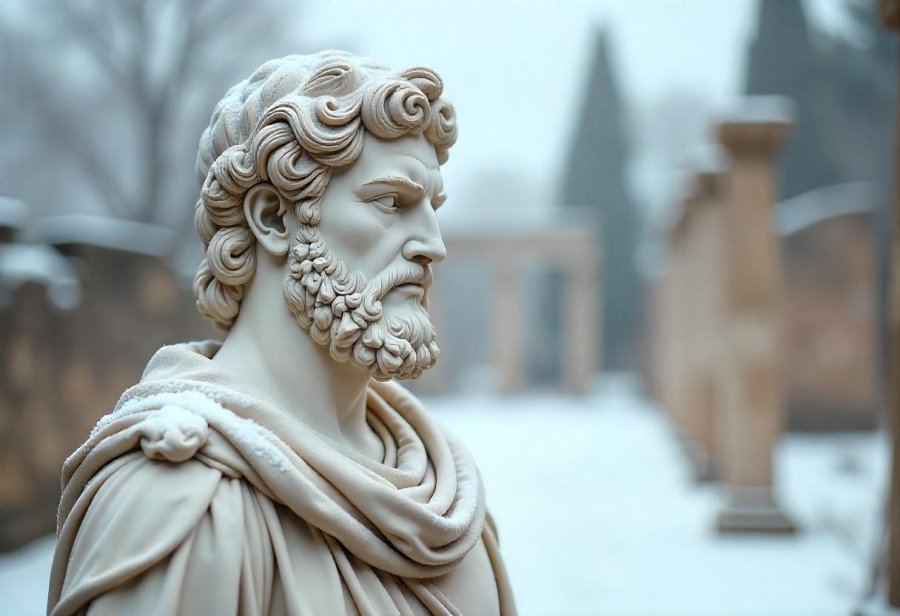
Uncover the astonishing strategies and relentless ambition that transformed Alexander the Great from a young prince into a legendary conqueror whose legacy reshaped civilizations and redefined empire-building. His exceptional tactical ingenuity, cultural sensitivity, and psychological mastery enabled him to outflank larger armies and inspire loyalty across diverse peoples. But what drove this visionary leader to push into uncharted territories, risking everything for greatness? As we explore his innovative battlefield tactics, logistical brilliance, and complex moral choices, we are invited to ask how his lessons on adaptability, motivation, and cultural fusion remain profoundly relevant today. Could his secrets still inspire modern leaders to reach beyond known frontiers and forge lasting impact? This compelling account reveals that true leadership is as much about daring vision and resilience as it is about strategic finesse—challenging us to consider how Alexander’s legacy continues to influence the pursuit of greatness in an ever-changing world.

Alexander the Great: A Legacy of Visionary Leadership and Strategic Brilliance
Alexander the Great stands as one of history’s most compelling and enduring figures, not merely because of the vast territories he conquered but because of the visionary leadership that propelled those achievements. His life exemplifies how daring ambition, strategic innovation, and cultural insight can forge an empire whose influence resonates through centuries. As a legendary conqueror, Alexander’s legacy continues to shape notions of power, leadership, and empire-building—concepts that remain relevant in modern discussions of authority and influence.
What sets Alexander apart from other military figures is his extraordinary strategic genius. He possessed an uncanny ability to adapt on the fly, to innovate in the face of unfamiliar terrain and formidable foes, and to inspire loyalty among a diverse array of followers. His campaigns were not solely about territorial expansion; they reflected a profound desire to unify disparate peoples under a shared vision of greatness. This blend of daring and ingenuity created a blueprint for leadership that still influences military and organizational strategies today.
Beyond the battlefield, Alexander’s leadership style combined personal courage, charismatic authority, and cultural sensitivity. Unlike rulers who relied solely on brute force, he actively sought to incorporate the traditions and customs of the lands he conquered. This approach helped stabilize his empire, fostered cultural exchanges, and spread Hellenistic ideas across a vast expanse that stretched from Greece to India. His efforts at cultural fusion left an enduring legacy that shaped art, science, and governance long after his death, demonstrating that empire-building was as much about integration as conquest.
The scope of Alexander’s ambition was unparalleled in his era. His campaigns traversed diverse terrains—from the rugged mountains of Macedonia to the vast deserts of Persia and the jungles of India—each presenting unique challenges. Yet, what truly made his conquests remarkable was his capacity for innovation under pressure. Whether employing the phalanx in novel ways, orchestrating lightning-fast cavalry maneuvers, or deploying psychological warfare to demoralize enemies, Alexander demonstrated mastery rooted in both tradition and adaptation. His tactics often outflanked larger armies and turned potential setbacks into decisive victories, revealing a leader who understood that flexibility was key to success.
Born in 356 BCE in Pella, the Macedonian capital, Alexander’s early years were shaped by privilege, rigorous education, and a sense of divine destiny. His father, Philip II, transformed Macedonia into a regional power through military and political reforms, setting the stage for Alexander’s ascent. His education under Aristotle further broadened his worldview, blending philosophical inquiry with strategic thinking and cultural appreciation. This foundation of intellectual curiosity and martial discipline distinguished him from many peers, equipping him with the tools to lead not only armies but also ideas that would shape civilizations for generations.
The assassination of Philip in 336 BCE thrust Alexander into power at a young age, inheriting a kingdom already poised for expansion but also riddled with court intrigue and rival factions. His early leadership was marked by decisive action and strategic diplomacy, quickly consolidating his authority. These initial experiences in navigating political instability sharpened his skills in negotiation and confrontation—traits that would serve him well as he launched campaigns across Asia. His ability to turn a turbulent transition into a springboard for extraordinary achievement underscores the depth of his leadership potential, rooted in resilience and clarity of purpose.
Foundations of Greatness: Alexander’s Origins, Education, and Early Influences
Alexander the Great’s early life was carefully constructed to lay the groundwork for the leader he would become. Born in 356 BCE in Pella, the Macedonian capital, he was immersed in a world where leadership, martial discipline, and intellectual pursuits intertwined seamlessly. His father, King Philip II, had already begun transforming Macedonia into a formidable regional power through innovative military reforms and strategic diplomacy. From a young age, Alexander was positioned to follow in these footsteps, surrounded by the privileges of royal birth but also exposed to the demanding realities of command and governance.
His education played a pivotal role in shaping his worldview. Aristotle, one of antiquity’s most revered philosophers, took charge of his intellectual development, imparting lessons in philosophy, science, rhetoric, and ethics. This philosophical grounding complemented his martial upbringing, fostering a nuanced perspective that valued strategic thinking alongside cultural appreciation. Such a combination distinguished Alexander from many of his peers, equipping him with a broad, cosmopolitan outlook that would influence his approach to conquest and governance.
Beyond academics, Alexander demonstrated exceptional personal qualities early on. He exhibited confidence, an intense competitive spirit, and an insatiable desire for achievement. Recognizing these traits, his father ensured he received rigorous training in martial skills, horsemanship, and tactics. These early experiences in warfare, diplomacy, and leadership created a well-rounded foundation that would serve him throughout his life. His ability to inspire loyalty and lead effectively in turbulent circumstances was rooted in this blend of intellectual curiosity and practical discipline.
The sudden assassination of Philip in 336 BCE marked a turning point that thrust Alexander into the limelight at just twenty years old. Inheriting a kingdom already engaged in expansion, he faced immediate challenges—court intrigue, rival factions, and the fragile task of consolidating authority. His initial response was swift and decisive: combining military action with strategic diplomacy, he quickly secured his position and established his leadership credentials. These early responses in navigating political instability sharpened his skills in negotiation and confrontation, laying the foundation for the ambitious campaigns that would follow.
Throughout his formative years, Alexander internalized a complex set of cultural and moral values. His lineage claimed descent from Hercules, reinforcing a divine sense of purpose that fueled his ambitions. Macedonian culture, steeped in heroism, honor, and the divine right of kings, shaped his self-image and motivation. This identity—woven from privilege, philosophical influence, and myth—became the driving force behind his relentless pursuit of empire and unity. Understanding this background reveals that his later strategic brilliance was not merely instinctive but deeply rooted in a crafted sense of destiny and purpose, forged in the crucible of his upbringing.

Mastering the Battlefield: Evidence of Alexander’s Strategies and Tactical Innovations
Historical records and battle accounts together weave a detailed tapestry that illuminates Alexander the Great’s unparalleled military genius and leadership style, though a nuanced approach is necessary given the biases and gaps inherent in ancient sources. The primary texts—such as Arrian’s *Anabasis*, Plutarch’s *Life of Alexander*, and Diodorus Siculus’ histories—each offer unique perspectives, shaped by their authors’ contexts and intentions. Yet, despite these differences, they collectively present a portrait of a leader whose tactical innovations and psychological acuity set him apart from his contemporaries.
One of the most striking features of Alexander’s strategy was his exceptional adaptability on the battlefield. The ancient accounts emphasize his mastery of the Macedonian phalanx—an infantry formation armed with long spears and arranged in tight, disciplined ranks—paired with highly mobile cavalry units. He often personally led these cavalry charges, inspiring his troops with daring and confidence. His willingness to adjust formations and tactics in response to terrain and enemy actions was crucial; at Gaugamela in 331 BCE, for instance, he exploited the open battlefield and employed layered formations to outflank and strike the Persian center, despite facing a vastly larger army. This victory exemplifies his skill in leveraging terrain, timing, and flexible tactics to turn the odds in his favor.
Archaeological evidence supports many of these textual accounts, offering tangible proof of Alexander’s strategic planning. Excavations at Gaugamela, for example, reveal remnants of hastily constructed fortifications, supply depots, and logistical camps—each indicating meticulous operational organization. These artifacts demonstrate that his military success was rooted not only in tactical brilliance but also in logistical sophistication. Supplying and maintaining a rapidly advancing army across diverse and often hostile terrains required precise planning and resource management, underscoring that his mastery extended beyond battlefield tactics to encompass complex operational logistics.
Scholars have long debated whether Alexander’s tactics were entirely innovative or a synthesis of existing military traditions. It is clear that he drew heavily from the Macedonian phalanx and combined arms techniques inherited from his father, Philip II. However, what distinguished him was his capacity to adapt and innovate within these frameworks—employing feigned retreats, surprise attacks, and psychological warfare to unsettle opponents before engaging in combat. His use of deception and rapid movement often caught enemies unprepared, effectively turning battles into contests of morale and perception. This strategic flexibility, rooted in both tradition and ingenuity, made him a formidable opponent.
Alexander’s leadership extended into the psychological realm, where he demonstrated an acute understanding of morale and human motivation. His personal courage—often leading charges himself—and his ability to motivate his diverse troops fostered unwavering loyalty. Accounts highlight his capacity to inspire troops from different cultures; he fostered a sense of shared purpose that transcended ethnic and linguistic divides. His reputation for resilience, daring, and personal sacrifice created a unifying force that sustained his armies through grueling campaigns, crossing deserts, and fighting in unfamiliar climates. This emotional connection was as vital as his tactical innovations.
The employment of psychological tactics went beyond inspiring his troops; he also used propaganda, strategic displays of power, and deliberate demonstrations of personal bravery to demoralize and destabilize his enemies. The psychological dimension of his warfare was pivotal—turning perception into a weapon. For example, his bold crossing of the Hydaspes River in India and his daring assaults on fortified cities sent a clear message of invincibility, ultimately shaking the resolve of his foes before combat even commenced. Such psychological mastery underscores how Alexander saw warfare as a human endeavor—one that involved manipulating perceptions and morale as much as physical force.
Finally, Alexander’s campaigns reveal a leader unafraid to take risks, often marching into uncharted territories and confronting formidable adversaries head-on. His willingness to engage in bold, sometimes audacious maneuvers was balanced by strategic foresight—he meticulously planned logistical routes and supply chains, ensuring that daring did not devolve into recklessness. This combination of courage and calculation allowed his armies to push beyond known frontiers—into Persia, Egypt, and India—creating an empire that seemed almost unstoppable. His ability to innovate under pressure and sustain rapid advances over vast distances remains a defining feature of his military legacy, inspiring countless successors and military strategists.
Yet, it is essential to recognize that Alexander’s tactics and leadership were not without moral ambiguities. The sources remain reticent about the brutality and destruction that often accompanied his conquests—siege warfare, scorched earth policies, and the suppression of dissent. These actions, while effective in consolidating power, highlight the darker side of his strategic genius. His willingness to employ harsh measures reveals a leader who prioritized victory and unity over moral considerations, a reminder that military prowess often comes at a significant ethical cost. Understanding this complexity enriches our appreciation of his achievements, framing them within the broader context of ancient warfare’s brutal realities.
In sum, the convergence of textual accounts and archaeological findings confirms that Alexander’s success was rooted in a sophisticated blend of tactical innovation, psychological manipulation, logistical mastery, and charismatic leadership. His ability to adapt strategies swiftly, motivate diverse armies, and manipulate perceptions turned each campaign into a testament to his strategic brilliance. These historical insights, layered with the material evidence, continue to influence military thought and underscore the enduring relevance of his leadership style. Alexander’s legacy, therefore, is not merely one of conquest but of a visionary who redefined what it means to lead and win in the face of seemingly insurmountable odds.
Lessons for Today: Applying Alexander’s Strategies to Modern Leadership and Organizations
Modern leaders and organizations can draw profound lessons from Alexander the Great’s strategic mindset and relentless pursuit of greatness. His ability to adapt tactics swiftly in response to terrain, enemy maneuvers, and shifting circumstances underscores a core principle: flexibility in leadership is essential. In today’s fast-paced environment—whether managing a startup, leading a multinational corporation, or navigating complex political landscapes—the capacity to pivot and reassess strategies in real time often determines success. Alexander’s example reminds us that rigid plans rarely survive contact with reality; resilience and agility are what turn setbacks into opportunities for innovation and growth.
Equally compelling is the power of a clear, inspiring vision—something Alexander exemplified in his unwavering pursuit of greatness. His talent for uniting diverse groups around a shared purpose demonstrates how a compelling mission can transcend cultural, linguistic, and ethnic divides. Contemporary organizations that articulate a resonant, authentic purpose foster deeper engagement and motivation among their teams. When leaders communicate with conviction, they ignite a collective energy that propels everyone toward extraordinary achievement. Much like Alexander’s troops, modern followers are motivated not just by commands, but by a shared sense of purpose that makes the impossible seem within reach.
Operational excellence remains a cornerstone of Alexander’s success and a vital lesson for today’s leaders. His armies moved with remarkable speed and coordination across vast and unfamiliar terrains—thanks to meticulous logistical planning and resource management. In our context, this translates into ensuring strategic plans are supported by robust supply chains, clear communication channels, and adaptable workflows. Whether overseeing complex projects or managing global teams, the ability to mobilize resources efficiently and sustain momentum under pressure often distinguishes stagnation from breakthrough. Alexander’s logistical innovations serve as a reminder that strategy without effective implementation remains incomplete; execution is where vision meets reality.
Cultural awareness and sensitivity played a crucial role in Alexander’s empire-building. His efforts to incorporate local customs, traditions, and belief systems helped foster loyalty and reduce resistance among diverse populations. Today’s leaders operating in global or multicultural environments must similarly prioritize understanding and respecting differences. Recognizing cultural nuances and leveraging them to build trust can transform potential points of friction into sources of strength. Whether negotiating international deals, leading diverse teams, or designing inclusive organizational cultures, cultural intelligence is a vital tool for creating resilient, cohesive communities where collaboration flourishes.
Finally, Alexander’s mastery of psychological influence offers lessons in motivation and perception management. His personal courage—often leading charges himself—and his ability to inspire loyalty created an unbreakable bond with his followers. He used displays of daring, strategic deception, and morale-boosting acts to manipulate perceptions and destabilize enemies before combat even began. In modern leadership, this translates into the strategic use of storytelling, emotional intelligence, and branding—tools that shape perceptions and inspire action. Understanding what motivates stakeholders, and employing that knowledge effectively, can turn perception into a decisive advantage, whether in negotiations, organizational change, or crisis management. Alexander’s psychological acumen reminds us that influence extends far beyond tactics; it is rooted in human connection and trust.
Emulating Alexander’s boldness and adaptability requires a delicate balance. His success was driven by fearless innovation coupled with strategic foresight—a combination that allowed him to push beyond known frontiers while maintaining control. Today’s leaders must foster a culture that encourages calculated risk-taking, supported by thorough analysis and preparedness. Embracing this mindset can lead organizations to seize opportunities others might shy away from, turning ambition into tangible achievement. The key lies in blending daring vision with responsible decision-making, ensuring that pursuit of greatness does not come at the expense of ethical integrity or long-term sustainability. Alexander’s legacy teaches us that true leadership involves not just daring to dream big but also responsibly managing the path to realization.
Enduring Impact: Reflecting on Alexander’s Legacy and Future Lessons for Leadership
Alexander’s legacy endures because his unique blend of visionary leadership and strategic innovation continues to serve as a timeless model for success. His capacity to adapt tactics swiftly, motivate diverse groups, and relentlessly pursue greatness demonstrates principles that remain relevant across eras and contexts. Modern leaders and organizations can draw inspiration from his daring ambition, but equally from his nuanced understanding of cultural integration and psychological influence. These lessons highlight that genuine greatness often emerges from a combination of bold vision and meticulous, adaptable execution—traits that can be cultivated and refined over time.
His campaigns exemplify how transformative leadership hinges on the ability to innovate under pressure. Alexander’s mastery of mobility, surprise, and cultural fusion enabled him to forge an empire that transcended mere conquest. This suggests that future leaders, whether in politics, business, or military pursuits, must prioritize agility and resilience as core competencies. The capacity to pivot in response to rapid changes, while maintaining a compelling shared purpose, determines whether ambitious visions become lasting realities or fleeting successes. His example reminds us that adaptability isn’t just a tactical advantage; it’s the foundation of enduring influence.
Yet, Alexander’s story also prompts reflection on the ethical dimensions of leadership and empire-building. His relentless drive and innovative tactics propelled him to heights few could imagine, but they often involved acts of brutality and moral ambiguity. The sources remain silent on many internal challenges—such as managing a culturally diverse army or ensuring the stability of newly acquired regions—and the moral costs of his campaigns are undeniable. Recognizing this complexity urges modern leaders to balance strategic brilliance with responsibility and human values. A sustainable legacy demands more than conquest; it requires a moral compass and a commitment to positive impact that endures beyond the battlefield.
Looking ahead, the rapidly evolving global landscape challenges leaders to learn from Alexander’s agility and relentless pursuit of greatness. Technology, interconnected economies, and shifting socio-political realities create new frontiers of opportunity and risk. The core principles of adaptability, cultural awareness, and psychological insight remain vital, but they must be applied with a contemporary moral sensibility. Leaders who can combine Alexander’s daring spirit with a deep sense of responsibility and ethical clarity will be best positioned to navigate the complexities of the future—transforming bold visions into sustainable, inclusive realities that benefit all.
Translating ancient strategies into modern contexts involves a delicate balance. While the terrain has shifted from ancient battlefields to digital and geopolitical arenas, the underlying lessons about innovation, resilience, and motivation stay constant. Leaders must foster a mindset of continuous learning and ethical responsibility, ensuring their ambitions serve societal progress and long-term stability. Embracing this integrated approach allows for the transformation of daring ideas into tangible achievements, echoing Alexander’s own capacity to blend conquest with cultural integration. His example encourages us to pursue greatness not for its own sake, but as a force for meaningful, responsible change.
Ultimately, the story of Alexander challenges us to view leadership as an ongoing journey rather than a final achievement. His life was marked by relentless ambition, yes, but also by an extraordinary capacity to adapt, inspire, and learn. These qualities transcend the archetype of the conqueror, finding relevance across all domains of influence—whether in corporate boardrooms, diplomatic negotiations, or community initiatives. The principles drawn from his example remind us that true leadership hinges on innovation, resilience, and the ability to forge authentic human connections. In this way, his legacy offers an enduring blueprint for those committed to making a lasting, positive impact in an ever-changing world.
About the Author