
As winter’s icy grip tightens, the debate over whether winter tires are truly worth the investment heats up. Do these specialized tires offer the safety and control they promise, or are they an unnecessary expense for casual drivers? This compelling exploration reveals that winter tires, with their unique rubber compounds and aggressive tread patterns, are scientifically designed to outperform all-season tires on icy, snow-covered roads. Extensive research demonstrates they can reduce braking distances by up to 30%, significantly lowering accident risks. But beyond the science, practical safety tips highlight the importance of proactive preparation—installing winter tires before temperatures plummet, adjusting driving habits, and maintaining visibility and vehicle systems. The question remains: can choosing winter tires transform your winter driving experience from perilous to confident? The answer might just lie in understanding the critical safety benefits they provide—making them an essential upgrade for any driver facing cold, challenging conditions.
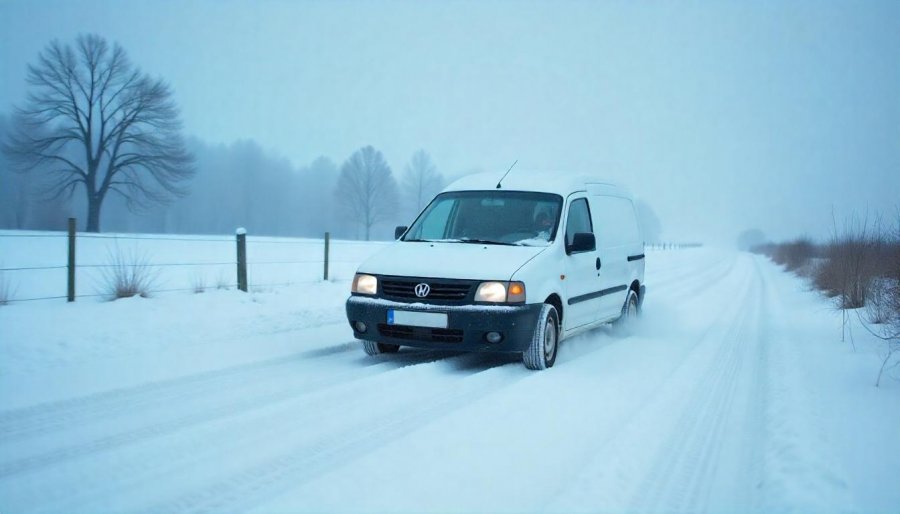
Why Winter Tires Are Your Best Defense Against Icy Roads
Winter tire safety often becomes a hot topic as temperatures start to drop and icy conditions become more frequent. When roads are coated with snow and ice, your regular tires may not provide enough grip to keep you safe. That’s when people begin to ask: do winter tires really make a difference, or is it just a safety myth? If you’ve ever skidded on icy pavement or struggled to stop in winter conditions, understanding the true value of specialized tires can be a game-changer for your safety.
Driving in winter presents unique challenges that can catch even experienced drivers off guard. Cold temperatures cause roads to become slick with ice or snow, drastically reducing traction. Standard tires tend to stiffen and harden in colder weather, which diminishes their grip exactly when you need it most. This can lead to longer braking distances, skidding, or even losing control. Winter tires are designed specifically to tackle these issues, offering a safer and more reliable option for navigating icy or snowy roads.
The key difference lies in how winter tires are built. They use softer rubber compounds that stay flexible in freezing temperatures, allowing the tire to mold better to icy and snowy surfaces. Their tread patterns are more aggressive, featuring deeper grooves and small biting edges called sipes that act like tiny cleats, helping to grip slippery terrain. These design features aren’t just for comfort—they’re backed by science, aiming to improve vehicle control and reduce stopping distances when roads are icy or snow-covered.
Many drivers assume that all-season tires are sufficient for winter, but that’s a common misconception. While all-season tires are versatile, they’re a compromise—they don’t perform as well as winter tires in cold, icy conditions. All-season tires tend to harden below 7°C (45°F), losing their grip, whereas winter tires retain their softness and traction. Recognizing this difference is crucial, especially if you regularly face icy or snowy roads. Switching to winter tires once temperatures dip is one of the most effective steps you can take for safer driving.
Understanding the importance of winter tires is essential for winter safety. They aren’t just a seasonal accessory—they’re a proven safety tool designed to handle the specific challenges of cold, icy conditions. Knowing their benefits can boost your confidence behind the wheel and give you peace of mind during the winter months. Investing in winter tires means preparing ahead so you’re ready to handle the season’s hazards, not just reacting when the weather turns harsh.
Ultimately, the question isn’t just whether winter tires are worth it, but how much they can improve your safety every time you get behind the wheel in winter. They are a straightforward, science-backed way to enhance grip, shorten stopping distances, and maintain better control on icy roads. For anyone living in regions where winter weather is a regular occurrence, they’re a practical and reliable upgrade that can make a real difference. The safety benefits are clear, and the peace of mind they provide is well worth the investment.

The Science Behind Winter Tire Performance and Design
Winter tires are designed around scientific principles that set them apart from all-season options, making them especially effective in cold and slippery conditions. The core advantage lies in their rubber compounds, which are formulated to stay soft and pliable even when temperatures drop well below freezing. Unlike standard tires that harden in cold weather, winter tires maintain their flexibility, allowing them to conform better to icy and snowy surfaces. This increased contact promotes superior grip and control, especially when roads are slick or packed with snow.
The tread pattern of winter tires further enhances their performance through science-backed design features. These tires typically have deeper grooves and a greater number of tiny biting edges called sipes. Sipes act like miniature cleats, biting into ice and snow to improve traction. The deeper treads help channel away slush, snow, and water, reducing the risk of slippage and ensuring consistent contact with the road. This combination of tread design and rubber formulation is tailored specifically to optimize grip in winter conditions.
Many drivers believe that all-season tires are sufficient for winter driving, but that’s a misconception rooted in their design limitations. All-season tires tend to stiffen and lose their grip once temperatures fall below 7°C (45°F). Their rubber compounds are not built for extreme cold, which makes them less effective on icy or snowy surfaces. In contrast, winter tires use materials that stay soft and flexible at low temperatures, providing better contact and traction where all-season tires falter.
A key feature that makes winter tires effective is the inclusion of sipes—small, narrow slits in the tread blocks. These tiny edges deform slightly when driving over ice or packed snow, increasing the tire’s flexibility and contact area. This deformation allows the tire to conform to uneven surfaces, providing a more secure grip. The result is improved handling and shorter braking distances, even on the most treacherous winter roads.
The science behind these design choices translates into real-world benefits. Studies show that winter tires can reduce braking distances by up to 30% on icy surfaces compared to all-season tires. This difference can prevent accidents and save lives by giving drivers more control during sudden stops. The softer rubber and increased biting edges work together to transfer force more effectively onto icy patches, making winter tires a crucial safety upgrade for cold months.
The durability of winter tires also stems from their specific construction. While they are softer and more susceptible to wear in warmer temperatures, they are engineered to perform optimally in cold weather. This specialization means that their benefits are most pronounced during winter, and they should be replaced once temperatures consistently rise. Properly maintained, winter tires can last several seasons, offering ongoing safety improvements each year.
Understanding the scientific principles behind winter tire design helps clarify why they outperform standard tires in winter conditions. Their unique rubber compounds, tread patterns, and biting edges are all deliberate choices rooted in physics and engineering. These features work together to provide better grip, shorter stopping distances, and more predictable handling on icy and snowy roads. Recognizing this science reinforces their role as an essential safety feature during the cold months.
In essence, winter tires are not just a seasonal accessory but a carefully engineered safety tool. Their design is a direct response to the challenges posed by winter weather, ensuring drivers stay safer and more confident when navigating icy, snow-covered roads. The science behind their performance is clear, making them a smart investment for anyone facing winter driving conditions regularly.
Does Recent Research Confirm Winter Tires Improve Safety?
Recent research and real-world data consistently demonstrate that winter tires significantly enhance safety and grip in icy and snowy conditions. Numerous tests conducted by transportation safety organizations reveal that vehicles equipped with winter tires are less prone to skidding and losing control when roads are slick with ice or packed snow. For instance, studies show that braking distances can be reduced by up to 30% compared to all-season tires, a difference that can be critical in emergency situations and could prevent many accidents.
The science behind these findings is straightforward. Winter tires incorporate softer rubber compounds that stay pliable at low temperatures, maintaining better contact with icy surfaces. In contrast, all-season tires tend to stiffen below 7°C (45°F), which diminishes their grip and increases stopping distances. This loss of flexibility makes all-season tires less reliable on cold, icy roads, while winter tires preserve their softness, providing superior traction and control.
In practice, this difference translates into fewer accidents during winter months. Crash statistics and insurance claims consistently support the trend: vehicles with winter tires experience fewer incidents on icy roads. Whether in regions with heavy snowfall or milder winters, the performance gap remains clear. Winter tires outperform all-season options in maintaining vehicle stability, making them a crucial safety feature for winter driving.
Temperature plays a key role in tire performance. When temperatures drop below 7°C (45°F), all-season tires begin to harden, losing their ability to grip icy or snowy surfaces effectively. Winter tires, designed with specialized compounds, stay flexible and retain their traction. This scientific adaptation means that even in less snowy areas, winter tires can dramatically improve safety whenever cold weather arrives, especially on icy patches or packed snow.
Braking is another area where winter tires excel. Studies indicate they can reduce stopping distances by up to 30% on icy surfaces compared to all-season tires. This reduction is not just a matter of convenience; it can be lifesaving during sudden stops or emergencies. The enhanced grip allows force transfer more efficiently from tire to road, giving drivers more confidence and control when it matters most.
While some drivers hesitate due to upfront costs, data shows that winter tires are a cost-effective safety investment. Fewer accidents mean fewer insurance claims, lower repair expenses, and increased peace of mind. Well-maintained winter tires can last multiple seasons, providing ongoing safety benefits that outweigh the initial expenditure. This long-term value makes them a smart choice for anyone facing winter driving conditions regularly.
Overall, scientific research and real-world evidence make a compelling case: winter tires deliver tangible improvements in grip and safety on icy and snow-covered roads. They are more than just seasonal accessories—they’re engineered safety tools rooted in physics and design. For drivers in cold climates or regions with frequent winter weather, choosing winter tires isn’t just advisable; it’s essential for safer, more confident driving during the cold months.
Essential Safety Tips for Winter Driving Success
When winter weather hits, your safety starts with practical preparations, beginning with your tires. If you haven’t already switched, installing winter tires before temperatures drop below 7°C (45°F) is a smart move. Their softer rubber and aggressive tread patterns are designed specifically for icy and snowy conditions, offering better grip and control. Waiting until roads are already icy increases your risk, so planning ahead ensures you’re ready when the cold arrives.
Adjusting your driving style is just as important as having the right tires. Reduce your speed to allow more reaction time and increase following distance—at least three times the usual—since stopping distances are much longer on ice. Brake gently and smoothly to prevent skidding, avoiding sudden or harsh inputs. Steering should be deliberate and smooth; abrupt turns can cause your vehicle to slide. These small adjustments make a big difference in maintaining stability and control.
Visibility often becomes challenging in winter. Keep your windshield, windows, and mirrors clear of snow and ice before each trip. Use your defroster and windshield wipers effectively, and ensure headlights and taillights are clean to maximize visibility. Carry an ice scraper and small brush in your vehicle—simple tools that help keep your view clear during winter drives. Good visibility isn’t just about comfort; it’s vital for avoiding hazards and reacting quickly to changing conditions.
Vehicle maintenance is key. Regularly check your brakes, lights, and wipers to ensure they respond smoothly and function properly. Replace wiper blades if streaking or freezing, and top up with winter-grade windshield washer fluid that won’t freeze. Well-maintained equipment helps your vehicle handle winter’s challenges and prevents breakdowns or accidents caused by equipment failure.
Preparing an emergency kit is a straightforward step that can prevent minor setbacks from turning into serious problems. Pack essentials like a warm blanket, extra clothing, a flashlight, a small first aid kit, and non-perishable snacks. Include items such as a tow rope, sand, or kitty litter—these can provide traction if you get stuck or slide off the road. Having supplies on hand keeps you warm and safe until help arrives or conditions improve, offering peace of mind during unpredictable winter trips.
Finally, adopt cautious driving habits. Avoid using cruise control on icy roads, as it can cause wheels to spin or lock unexpectedly. If your vehicle starts to slide, steer gently into the skid—overcorrecting can worsen the situation. Patience and restraint are your best allies; rushing or making sudden maneuvers increase the risk of losing control. Driving smoothly and slowly helps prevent many common winter accidents before they happen.
Staying informed about weather forecasts and road conditions is essential. Consider postponing non-essential trips during storms or hazardous conditions, or opt for public transportation when possible. Planning your trips around the weather reduces the chance of being caught in dangerous situations. When you do drive, let someone know your route and estimated arrival time. If trouble arises, help can be on the way sooner. Being prepared, cautious, and well-informed keeps you safer during winter’s toughest weather.
About the Author