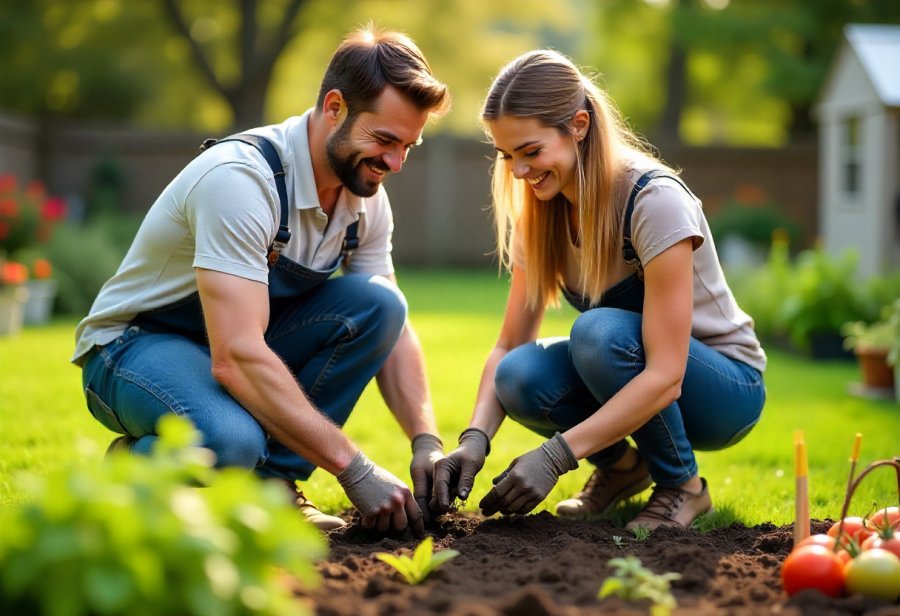
In a world overwhelmed by digital noise and fleeting interactions, tending a shared garden emerges as a timeless act of connection and healing. This compelling exploration reveals how working side-by-side in nature fosters trust, patience, and emotional resilience—transforming simple acts like planting and watering into profound bonds. Throughout history, gardening has served as a social glue across cultures, from ancient civilizations to modern urban communities, emphasizing its enduring power to unite people. Today, community gardens, therapeutic horticulture, and virtual platforms expand these benefits, making shared care accessible to all. Could nurturing life in the soil help mend emotional wounds and bridge social divides? The answer lies in the quiet moments of growth and cooperation that remind us—sometimes, the most meaningful connections flourish when we slow down, nurture patience, and tend together. Isn’t it time to test this timeless bond and discover how gardening can heal and strengthen us all?
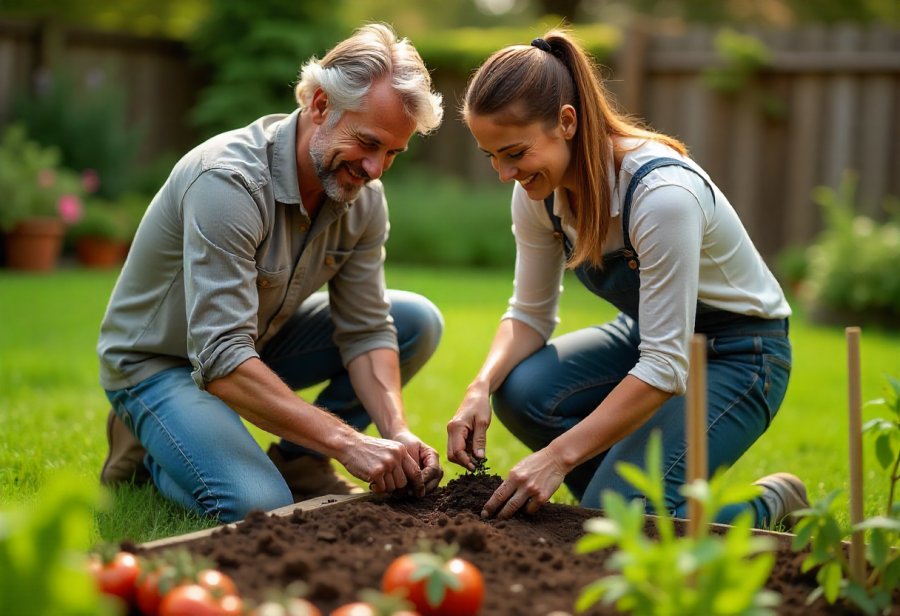
Reconnect and Heal Through Gardening in a Digital Age
In today’s fast-paced digital world, many of us spend our days glued to screens, scrolling through social media or working remotely from our laptops. Amid this constant connectivity, a growing sense of disconnection from nature and each other has taken hold. Yet, there’s something timeless and grounding about working with the earth that can cut through the noise and bring us back to what truly matters. Gardening, in its simplest form, offers a quiet, powerful way to reconnect—whether you have a small balcony, a backyard, or access to a community plot.
When people tend to a garden together, it naturally encourages cooperation and trust. Planting, watering, and caring for shared spaces require patience and teamwork, creating opportunities for genuine conversations and mutual pride. These moments of collective effort often deepen bonds without the need for elaborate plans or words—they simply happen as part of nurturing life. Over time, this shared act of care fosters a sense of mutual support that extends well beyond the garden itself.
Gardening also taps into our senses in a way that digital interactions rarely can. Feeling soil beneath your fingers, inhaling the fresh scent of plants, hearing the sounds of nature—these simple experiences ground us in the present. Sharing this physical space and the act of tending life together creates a connection rooted in patience, shared effort, and the natural rhythm of growth. It’s a reminder that some of the most meaningful relationships are built through tangible, lived experiences.
Beyond the physical act, gardening offers emotional benefits that are especially valuable in our hectic lives. Working together in the garden reduces stress and promotes mindfulness, encouraging us to slow down and focus on the here and now. The act of nurturing plants becomes a form of quiet therapy, helping us process emotions and find calm amid chaos. These shared moments of care foster resilience and emotional strength, making gardening a gentle yet powerful way to heal.
In a world where many interactions feel fleeting or superficial, tending a garden together creates a space for genuine connection. Whether with family, friends, or neighbors, this shared activity opens channels for honest communication and mutual understanding. It’s a simple act that cultivates trust, patience, and empathy—values that can strengthen bonds in ways words often cannot. Gardening, therefore, becomes more than just a hobby; it’s a pathway to healing and deeper relationships.
As we look to the future, the potential for gardening to serve as a tool for social and emotional well-being continues to grow. In a time when digital fatigue and disconnection threaten our sense of community, the act of tending to plants together offers a gentle reminder of our shared humanity. It’s an invitation to slow down, nurture life, and grow stronger bonds—one seedling at a time.
Gardening’s Rich History as a Foundation for Human Bonds
Throughout history, gardening has served as a foundation for human relationships across diverse cultures and eras. In ancient civilizations like Mesopotamia and Egypt, communities often collaborated on irrigation projects and shared farmland, forging bonds rooted in collective effort and mutual dependence. These activities extended beyond sustenance; they created social ties that helped build early forms of community cohesion. Similarly, in Japan, Zen gardens became tranquil spaces where people gathered for meditation and reflection, emphasizing harmony and mindfulness—practices that naturally foster deep connections.
Indigenous cultures worldwide have long integrated planting and tending into spiritual and communal rituals. These traditions go beyond the act of growing food; they are woven into stories, ceremonies, and celebrations that reinforce cultural identity and social bonds. Sharing knowledge, passing down stories, and participating in collective rituals turn gardening into a living expression of community and tradition. These practices highlight how deeply rooted gardening is in human connection, serving as a bridge that links individuals to their cultural roots and to each other.
As societies evolved, the social fabric of gardening adapted but remained central to community life. In early modern Europe, communal gardens and allotments offered city dwellers a chance to grow food and socialize, providing a sense of belonging amid urbanization. Today, community gardens and urban farms continue this legacy, bringing together people from different backgrounds to collaborate. These shared spaces exemplify how tending the land remains a powerful act of social bonding and resilience, transcending time and cultural boundaries.
Historical milestones underscore gardening’s enduring role in fostering trust and emotional ties. The rise of public parks and green spaces in the 19th century created accessible environments for shared activity, while the organic movement of the 20th century emphasized sustainability and collective responsibility. Each shift reflects an understanding that working with nature nurtures not just plants, but also relationships—building trust, patience, and communal strength. These examples demonstrate that across generations, gardening has been more than a practical activity; it’s a vital social act.
Today, the therapeutic potential of gardening continues to be recognized worldwide. From urban greening projects to therapeutic horticulture programs, the act of tending plants helps reduce stress, promote patience, and deepen connections. As urbanization accelerates and digital interactions dominate, these traditions remind us that nurturing life—whether through traditional planting or virtual communities—remains a universal way to cultivate emotional resilience and strengthen social bonds. Gardening’s rich history affirms its timeless capacity to unite and heal.
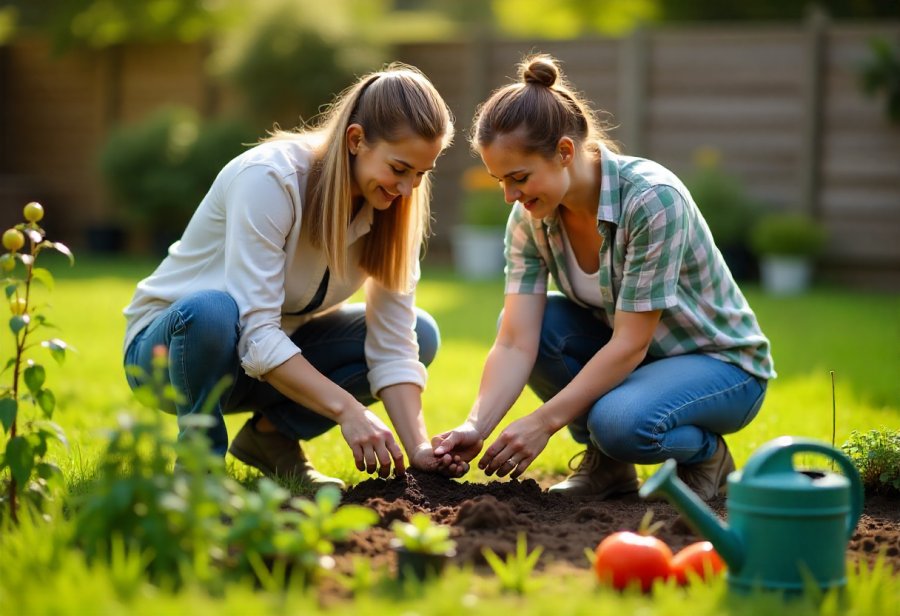
Modern Gardening Practices Fostering Connection and Well-Being
Today, gardening has evolved into more than just a pastime; it’s a meaningful way for people to connect and find purpose amid the chaos of modern life. Community gardens, urban farms, and neighborhood plots have become gathering spots where diverse groups come together to cultivate plants and build relationships. These shared activities naturally foster conversations, teamwork, and mutual support, creating a sense of belonging that’s often missing in city environments.
Many people approach gardening with mindfulness and intention, turning it into a ritual rather than a chore. Planting seeds, tending crops, and harvesting become acts of patience and cooperation, encouraging participants to slow down and focus. Working side by side on a vegetable patch or flower bed, individuals share responsibilities and celebrate small victories, deepening trust and understanding through shared effort.
Therapeutic gardening programs are gaining popularity for their mental health benefits. These initiatives involve groups or individuals working in green spaces designed to reduce stress and promote emotional resilience. The act of nurturing plants offers a calming, grounding experience that helps people process feelings of anxiety or trauma. Combining gentle physical activity with quiet reflection, gardening becomes a form of outdoor therapy accessible to many.
Cultural diversity shapes current gardening practices too. Gardens serve as social hubs where stories are shared, traditions are passed down, and relationships are reinforced. Urban projects aim to include marginalized communities, recognizing that green spaces can combat social isolation and foster well-being. These efforts highlight how gardening continues to be a universal language of connection, bridging social divides through shared care.
While gardening’s popularity grows, some skeptics question whether it can fully address mental health needs or replace professional support. Limited outdoor space or physical barriers can also pose challenges. However, these obstacles don’t diminish gardening’s role as a catalyst for connection and healing; instead, they invite innovations to make shared green spaces more inclusive and accessible.
Emerging trends like urban farming, eco-therapy, and virtual gardening communities expand the reach of gardening’s healing power. Virtual reality and online platforms enable people to engage with gardening regardless of physical limitations, creating global networks of support. These innovations make tending to plants a flexible, adaptable tool for emotional well-being, suitable for urban, rural, or indoor environments.
Looking ahead, making gardening more inclusive will be key. Designing spaces and programs that welcome everyone—regardless of age, ability, or background—ensures that its benefits reach more people. Integrating gardening into health and social services can foster resilience and community strength, turning it into an essential part of holistic well-being.
Ultimately, the act of tending a garden today continues to serve as a powerful bridge for connection. As society seeks ways to counteract digital fatigue and social disconnection, shared gardening offers a simple yet profound path to healing. Through patience, effort, and mutual care, planting and nurturing life together can foster deeper bonds and remind us of our shared humanity.
Shared Gardens as Catalysts for Mental and Physical Health
Sharing a garden with someone isn’t just about planting and watering; it’s a powerful way to boost mental, emotional, and physical well-being. Working outdoors together naturally lowers stress and provides a refreshing break from daily worries. The simple act of caring for plants requires patience and focus, helping quiet a busy mind and fostering a sense of calm. Over time, these shared moments become sources of comfort and strength, reinforcing resilience and emotional balance.
Tending a garden as a team also cultivates feelings of achievement and joy. Watching a seed sprout or a flower bloom offers immediate gratification and a sense of progress that’s hard to find elsewhere. When everyone shares responsibilities—watering, weeding, harvesting—it builds confidence and a positive outlook. These small successes, achieved together, strengthen trust and create a supportive environment where understanding grows alongside the plants.
Physical activity is another key benefit. Digging, planting, pruning, and watering involve movement that improves strength, flexibility, and stamina. Because gardening is enjoyable and rewarding, it encourages regular activity without feeling like a chore. Working side by side makes exercise feel like a shared goal, motivating everyone to stay engaged and healthy while deepening bonds through collective effort.
Beyond the physical and mental health perks, shared gardening routines foster social connection and reduce feelings of loneliness. Conversations flow more easily in a natural setting, laughter becomes part of the process, and mutual support deepens relationships. These interactions turn tending the garden into a meaningful act of relationship-building, creating bonds rooted in patience, cooperation, and care—values that extend well beyond the garden.
Finally, gardening cultivates mindfulness. Focusing on the sensory experience—the scent of soil, the texture of leaves, the sounds of nature—grounds people in the present moment. This mindful engagement helps ease anxiety and emotional stress, turning gardening into a calming, meditative practice. As people nurture plants together, they nurture themselves, learning that growth requires patience and shared effort. In these quiet moments of care, both the garden and relationships flourish naturally.
Embracing the Future of Gardening as a Path to Community Resilience
Gardening as a healing activity offers a timeless path to reconnect in a world increasingly overwhelmed by digital noise. Its core values—trust, patience, and shared purpose—remain as relevant today as they were centuries ago. As awareness of mental health challenges grows, communities are turning to green spaces and urban farms, recognizing that tending to plants can nurture emotional resilience and foster social bonds. These efforts are likely to expand, making gardening more accessible and integral to well-being initiatives worldwide.
Emerging innovations like urban farming, eco-therapy, and virtual gardening platforms are broadening the reach of this natural healing. Virtual reality and online communities allow people to participate in gardening regardless of physical space or mobility, creating a global network of support. Such advances help embed gardening into everyday life, making it adaptable to diverse environments and lifestyles, and reinforcing its role as a universal language of growth and connection.
Designing inclusive spaces and programs will be crucial as this movement grows. Ensuring that everyone—regardless of age, ability, or background—can access the benefits of shared gardening creates a more equitable path to emotional and social health. Incorporating gardening into health services and community programs can deepen its impact, turning it into a cornerstone of holistic well-being that nurtures both body and spirit.
Research into the long-term effects of communal gardening on mental health and relationships is still developing. Understanding which practices and environments yield the strongest bonds can help tailor future initiatives for maximum benefit. As society evolves, so will the ways we connect through nature—whether through traditional planting, digital platforms, or hybrid approaches—always rooted in patience and shared effort.
For individuals inspired to begin their journey, starting a small garden with someone special can be transformative. Whether planting vegetables, herbs, or flowers, tending to life together fosters patience, trust, and meaningful conversations. These simple acts remind us that growth takes time and care, and that the most profound bonds often originate from shared effort.
The future of gardening as a healing practice hinges on making it more inclusive and adaptable. Supporting policies that promote green spaces, urban agriculture, and community involvement ensures wider reach and deeper impact. By integrating gardening into broader health and social frameworks, we can cultivate resilience and unity in communities, turning shared tending into a vital tool for collective well-being.
At its core, gardening continues to serve as a quiet yet powerful act of connection and healing. As we face new challenges and seek ways to rebuild trust and empathy, tending to the earth offers a gentle reminder: growth, both in plants and relationships, requires patience, nurturing, and time. Embracing this timeless act can help us foster stronger, more resilient communities—one seedling, one shared moment at a time.
About the Author