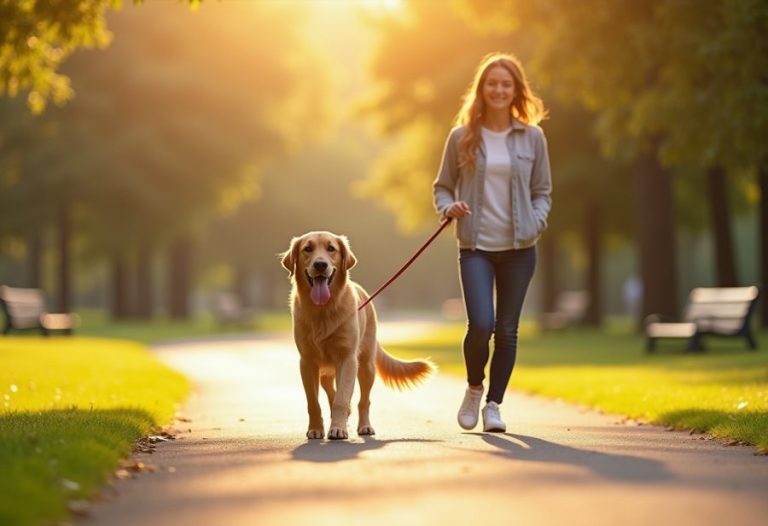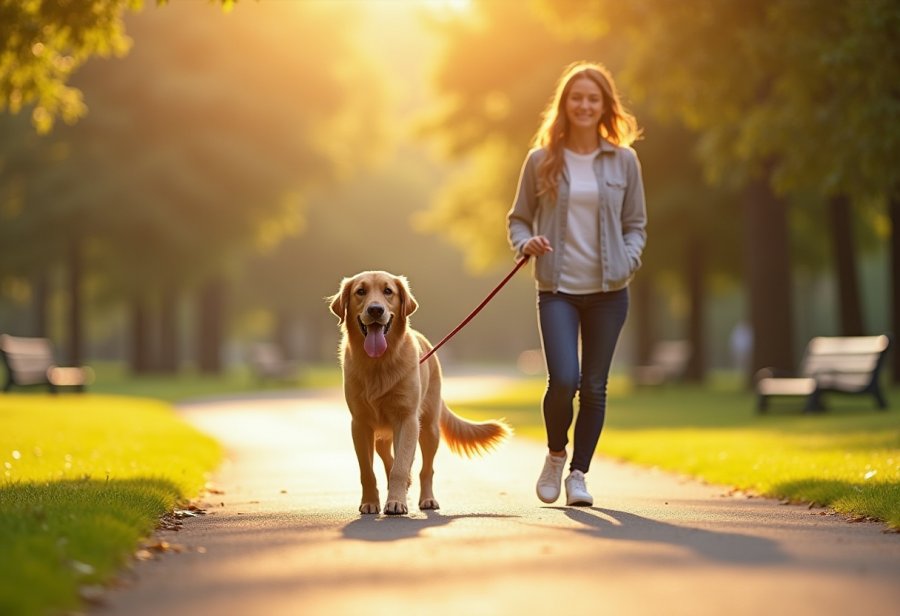
Few daily moments evoke such genuine joy as a dog’s outdoor walk, revealing the profound bond between pets and owners. These routines are more than exercise; they’re gateways to mental stimulation, emotional wellbeing, and trust-building. But why do such simple acts—sniffing, exploring, wagging—hold such power? Scientific insights confirm that outdoor walks reduce stress, improve physical health, and nurture confidence in dogs, all while deepening their connection with humans. As modern perspectives shift towards viewing walks as vital life rituals, owners are encouraged to tailor routines, explore new environments, and embrace the sensory richness that outdoor adventures offer. Could these shared experiences be the secret to lifelong happiness and harmony? This evolving understanding underscores that the true value lies not just in movement, but in the meaningful moments of companionship, discovery, and love shared under the open sky.
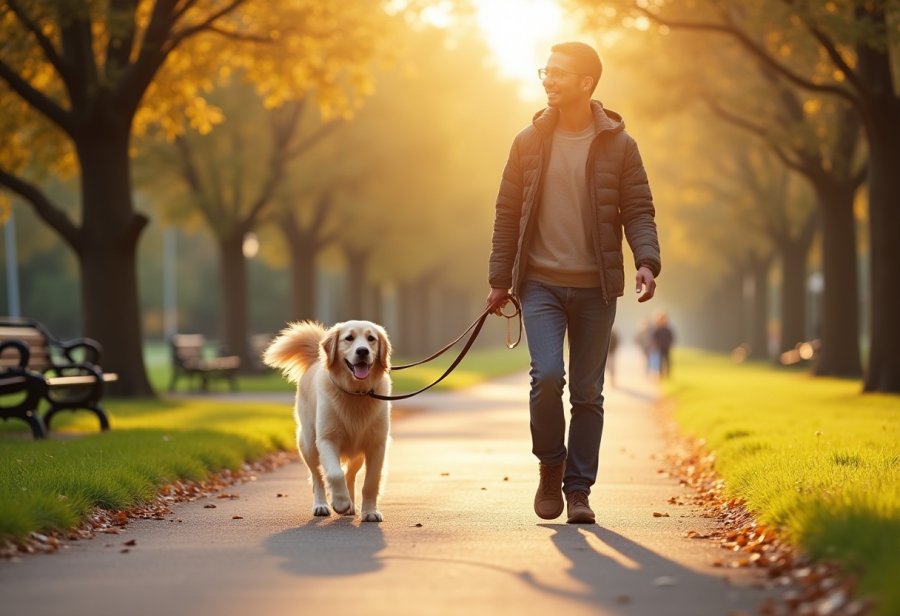
Discover the Joy and Bonding in Outdoor Dog Walks
Few moments in daily life bring as much genuine joy as a dog’s outdoor walk. Watching a dog eagerly explore the world—sniffing at new scents, wagging their tail with pure excitement—reminds us how simple pleasures can forge the strongest bonds. These walks offer more than just exercise; they’re an opportunity for dogs to satisfy their natural curiosity and engage their senses, keeping them mentally sharp and emotionally fulfilled.
For owners, these outings provide a chance to step outside, breathe fresh air, and share in their pet’s happiness. The mutual joy that arises from a walk deepens the connection between human and dog, transforming routine routines into shared adventures. It’s in these quiet moments of discovery—when a dog’s eyes light up at a new smell or their tail wags in delight—that trust and companionship grow stronger.
Regular walks support a dog’s overall well-being, blending physical health with mental enrichment. Dogs thrive on routine, needing opportunities to move, explore, and sniff their surroundings. Physically, daily walks help maintain a healthy weight, build muscle, and support cardiovascular health. Mentally, they stimulate a dog’s senses, reduce boredom, and lower stress levels—factors that can otherwise lead to behavioral issues.
Beyond individual health, outdoor walks nurture emotional bonds. These shared experiences foster a sense of safety and confidence as dogs learn to feel secure in new environments. Walking side by side in scenic parks or quiet trails creates a rhythm of companionship, reinforcing mutual trust and love.
The appeal of outdoor walks extends beyond routine; it connects us with nature’s simple pleasures. Whether it’s the fresh scent of rain-soaked grass or the rustling leaves in a wooded trail, these moments of outdoor discovery help dogs feel more fulfilled and happy. For owners, witnessing this curiosity and joy turns a simple walk into a celebration of life’s small, meaningful moments.
In essence, outdoor walks form a cornerstone of a happy, healthy life for dogs and their owners. They are a daily ritual that nurtures physical health, mental well-being, and emotional connection. These routines remind us that sometimes, the simplest acts—like stepping outside and taking a walk—can have profound, lasting impacts on our pets’ happiness and the strength of our relationships.
Unveiling the Science Behind Canine Happiness and Outdoor Adventures
Outdoor activities, especially walks, are essential for a dog’s mental and physical health. When dogs explore their surroundings—sniffing, listening, and observing—they engage their senses in ways that keep their minds sharp and prevent boredom. This mental stimulation is vital; it reduces stress and behavioral issues that often result from pent-up energy or anxiety. Physically, regular walks help dogs maintain a healthy weight, build muscle, and improve cardiovascular health, contributing to a longer, more vibrant life.
Research shows that outdoor walks can significantly lower stress levels in dogs. Dogs who get consistent outdoor activity tend to be calmer and more relaxed. The natural environment offers a peaceful setting that can soothe anxious or restless pups, providing a mental break from daily stressors. Combining physical exertion with mental engagement makes outdoor walks a simple yet powerful way to enhance overall happiness and emotional stability.
Sniffing and exploring aren’t just enjoyable activities—they’re fundamental for a dog’s well-being. Dogs rely on their noses as their primary tool for understanding the world, and a walk exposes them to new smells and sights that ignite their curiosity. This sensory engagement prevents boredom and reduces anxiety, helping dogs feel more secure and relaxed. Allowing dogs to indulge in their natural scenting instincts fosters confidence and emotional balance, making each walk a source of comfort.
The importance of outdoor activity has become clearer over time. Walks are no longer seen solely as exercise; they’re opportunities for mental enrichment and social confidence. Regular outings help dogs develop good manners, trust, and social skills—especially when they encounter other animals and people. These shared experiences reinforce the bond between owner and pet, rooted in mutual enjoyment and discovery.
Modern understanding emphasizes that the benefits of outdoor walks extend beyond physical health. They serve as emotional anchors, helping dogs feel safe and loved. Whether it’s a new trail or a familiar park, these moments of outdoor exploration foster joy and security. As dogs experience new sights and smells, they learn to trust their environment and their owner more deeply, strengthening the emotional connection that underpins a happy, well-adjusted pet.
Overall, the science aligns with what many dog owners observe daily: outdoor walks are a cornerstone of canine well-being. They stimulate the senses, promote physical health, and nurture emotional bonds. By regularly engaging in these simple routines, pet owners give their dogs a richer, more fulfilled life—one rooted in trust, joy, and shared discovery.
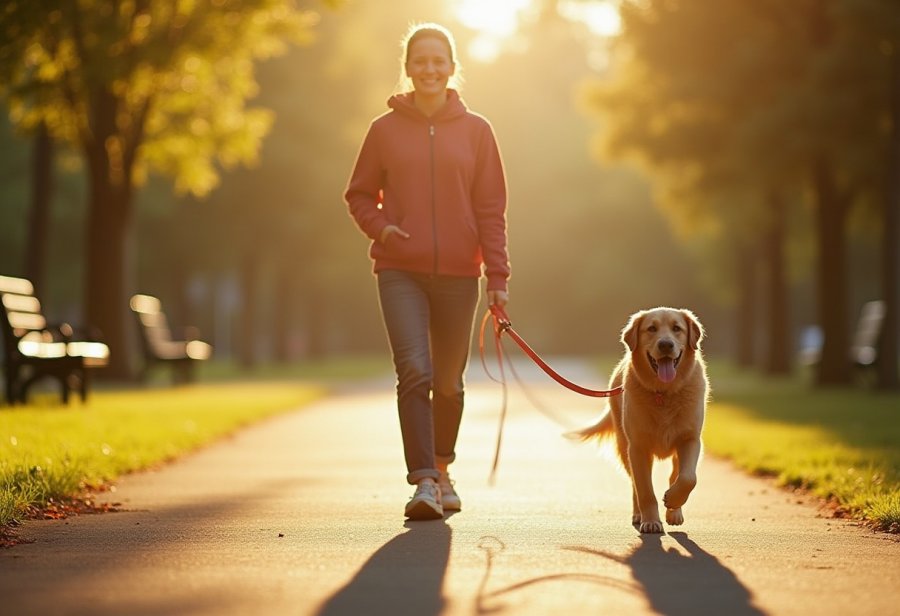
Embracing Modern Perspectives on the Vital Role of Dog Walking
Today, the way we view dog walking has shifted significantly from seeing it as a basic necessity to recognizing it as a vital component of a dog’s overall well-being. More owners understand that outdoor walks aren’t just about exercise—they’re opportunities for mental stimulation, social interaction, and deepening the bond with their pets. This broader perspective has led to the growth of dog-friendly parks, urban trails, and outdoor groups, making walks more engaging and enjoyable for both dogs and their owners.
This evolution in attitude has also influenced practices. Many owners now prioritize quality over quantity, focusing on the experiences during walks rather than just duration. A walk in a new park or a quiet trail can be more enriching than a routine round in the backyard. People are encouraged to tailor routines to their dog’s breed, age, and energy level, ensuring each outing remains positive rather than exhausting. Paying attention to a dog’s cues helps make walks a source of joy rather than stress.
The recognition of outdoor walks as a key part of responsible pet ownership has been bolstered by the increasing availability of resources and information. Veterinarians and trainers emphasize that consistent outdoor time can improve behavior, reduce stress, and promote happiness. With this knowledge, owners are more intentional about incorporating walks into daily life, understanding that these moments are foundational to their dog’s health and emotional stability.
Social media has played a notable role in shaping modern perceptions. Sharing photos, stories, and tips about outdoor adventures helps normalize daily walks and inspires others to make outdoor time a priority. Creative route ideas, new toys, and training tricks shared online keep routines fresh and stimulating, turning walking into a fun adventure rather than a chore.
Technological advances further support this shift. Leashes with reflective or LED features enhance safety during early mornings or late evenings, while GPS trackers provide peace of mind in unfamiliar environments. These tools make outdoor walks safer and more convenient, encouraging owners to explore new places confidently and worry-free.
Cultural differences influence how walks are approached worldwide, but the core idea remains consistent: outdoor time is essential. In urban areas, shorter, more frequent outings are common, while rural settings might allow for longer adventures. Despite variations, the consensus is clear—regular outdoor activity benefits a dog’s physical health, mental well-being, and emotional connection with their owner.
This changing mindset reflects a more mindful, purposeful approach to dog walking. Owners now see these outings as opportunities for training, socialization, and exploration—integral parts of a balanced, happy life for their pets. The emphasis is on making each walk meaningful, safe, and enjoyable, turning routine into ritual.
Ultimately, the modern perspective recognizes that dog walking is about more than just physical exercise. It’s a chance to nurture trust, joy, and companionship through shared outdoor experiences. As awareness continues to grow, the simple act of walking outdoors remains one of the most powerful ways to promote a dog’s happiness and strengthen the bond between pet and owner.
Mastering Practical Strategies to Maximize Walks for Happiness and Connection
Starting a consistent walking routine with your dog creates a foundation for happiness and a stronger bond. Choose a time when both of you feel relaxed and alert—morning, midday, or evening—and stick to it as much as possible. Short walks of 10 to 15 minutes are ideal initially, helping your dog adjust without feeling overwhelmed. Gradually increase the duration as their stamina and confidence grow, making each outing more enjoyable and meaningful.
Preparation makes a big difference. Use a comfortable, well-fitting harness or collar and bring along essentials like water, waste bags, and a favorite toy. These small steps help your dog feel secure and create a positive experience. Pay close attention to their cues—if they seem tired or anxious, be ready to pause, explore a bit longer, or end the walk early. Responding to their signals builds trust and keeps outdoor time fun rather than stressful.
Consistency is key. Maintaining a regular schedule helps your dog anticipate walks and look forward to them, reducing anxiety and promoting good behavior. Praise and treats during walks reinforce positive manners, making each outing a rewarding adventure. Over time, your dog will associate walks with safety, fun, and your companionship, strengthening your relationship.
Vary routes and environments to keep walks fresh and stimulating. Explore different parks, trails, or quiet neighborhoods, encouraging your dog’s curiosity and preventing boredom. Incorporate simple commands or tricks during walks to engage their mind and deepen your connection. Turning routine outings into mini adventures keeps your dog attentive and eager to explore new sights and smells.
Using tools like reflective gear or LED collars enhances safety during early mornings or late evenings. A GPS tracker adds peace of mind in unfamiliar areas, and treat dispensers or clickers can help with training and good leash manners. These small adjustments make walks safer, more engaging, and easier to manage, turning a simple routine into a positive, bonding experience.
Remember, each dog has unique needs. Some thrive with shorter, more frequent walks, while others enjoy longer outings. Adjust routines based on breed, age, and energy level, and stay attentive to their cues. This personalized approach ensures walks remain positive and stress-free, fostering trust and love.
View walks as more than physical exercise—they’re opportunities for emotional connection. Your tone, patience, and presence during each outing communicate safety and love, reinforcing your bond. When walks become predictable and enjoyable, they transform into cherished routines that nurture trust, happiness, and a sense of security for your dog.
Reflecting on the Enduring Value and Future of Outdoor Dog Walks
Outdoor walks have proven to be one of the most meaningful routines for dogs and their owners. They provide ongoing opportunities for mental stimulation, physical health, and emotional bonding that stand the test of time. These simple outings allow dogs to explore their environment, engage their senses, and experience joy through discovery. For owners, they become moments of connection, offering a break from daily stress and a chance to truly enjoy their pet’s happiness. Over the years, it’s clear that these routines are more than just physical exercise—they’re fundamental to building a trusting, loving relationship.
The benefits of outdoor walks extend far beyond immediate enjoyment. Scientific studies and countless personal stories show that regular outdoor activity reduces stress and behavioral issues in dogs. They help maintain a healthy weight, strengthen muscles, and support cardiovascular health, all contributing to a longer, more vibrant life. But beyond the physical, walks nurture emotional trust. When dogs explore new sights and smells alongside their owners, they learn to feel safe and confident in different environments, deepening the bond rooted in mutual trust and love.
What makes these walks truly special is their ability to nourish emotional connection. In the wagging tail, the curious sniff, and the relaxed gaze, trust and love grow stronger. These shared outdoor experiences give dogs a sense of freedom and fulfillment, while owners witness their pets happy and relaxed. This mutual joy transforms routine outings into cherished rituals, enriching daily life and strengthening the human-animal bond.
Looking ahead, outdoor walks hold even greater potential. As awareness grows, owners are exploring ways to make these moments more engaging—adding training, discovering new routes, or simply spending more quality time outdoors. Advances in pet technology and outdoor gear further support this, making outings safer and more enjoyable. The key is recognizing that these walks are not just chores but vital practices that support a dog’s well-being and deepen the connection with their owner.
This evolving perspective emphasizes that dog walking is about more than physical activity; it’s a foundation for trust, joy, and companionship. Each step taken in nature reinforces the bond and nurtures a sense of security. As routines become more intentional and tailored to each dog’s needs, they transform into meaningful rituals that foster happiness and health. These simple acts of outdoor exploration remind us that the best moments in life are often the simplest—shared in the fresh air, surrounded by nature, and rooted in love.
Investing in these routines today builds a lasting bond based on trust and mutual enjoyment. It’s about creating a space where dogs feel safe, loved, and eager to explore. As we embrace the future of responsible pet ownership, the importance of outdoor walks remains clear: they are a vital part of a joyful, balanced life for dogs and their owners alike. These shared journeys highlight that happiness often resides in the little things—sniffing trails, feeling the sun, and walking side by side, every step strengthening the bond that makes life with a dog so rewarding.
About the Author