In an era where seamless communication is vital for competitive advantage, customized telephony solutions are transforming how businesses operate. Grandstream’s innovative devices and cloud-enabled management systems empower organizations to tailor their networks for maximum efficiency, security, and scalability. But are you truly harnessing the full potential of these advanced technologies? From evolving digital networks to future-ready AI-driven systems, the landscape promises smarter, more integrated communication platforms. Yet, as systems become more sophisticated, safeguarding sensitive data and ensuring reliable deployment remain critical challenges. This preview explores how personalized telephony not only streamlines operations but also elevates customer experiences—raising the question: are you prepared to embrace the future of connected business communication and stay ahead in a rapidly digitalizing world?
Enhance Your Business Communication with FiberConX’s Advanced VoIP Solutions in Canada
Discover the power of reliable VoIP business and residential phone services with FiberConX Communications in Canada. Our solutions feature cutting-edge features such as voicemail, IVR, Ring Groups, and voicemail-to-mail, ensuring seamless communication for your organization. For enhanced hardware integration, explore our Grandstream IP Phones, which are compatible with our systems to deliver crystal-clear calls and efficient call management. Whether you’re upgrading your office or residential setup, FiberConX offers tailored services to meet your needs. Contact us today at 1.800.961.6856 or email [email protected] to learn more about our flexible plans and how we can elevate your communication infrastructure.
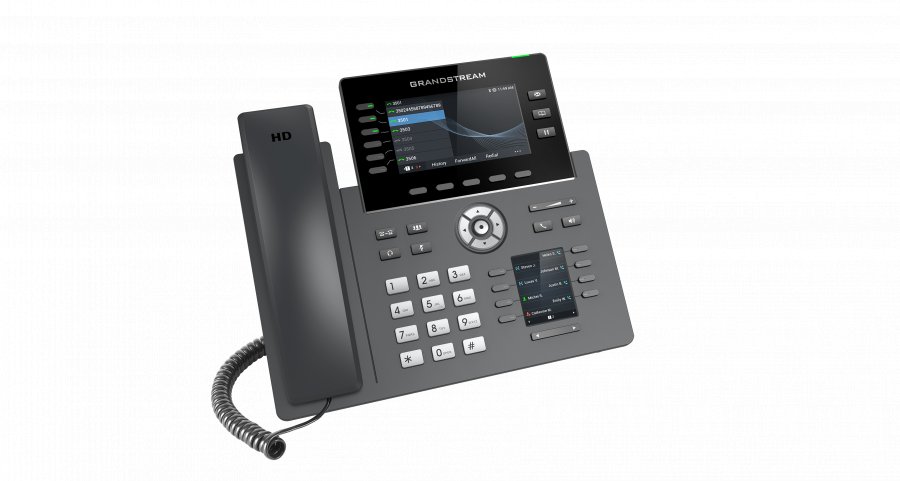
Transform Your Business Communications with Customized Telephony Solutions
In today’s fast-moving business world, staying connected isn’t just a convenience—it’s a necessity. Companies rely on communication systems that are dependable, efficient, and tailored to their specific needs. Instead of settling for off-the-shelf solutions, organizations are increasingly designing their telephony infrastructure to match their workflows perfectly. This customization can significantly boost productivity and streamline daily operations.
Creating a personalized telephony system involves choosing the right hardware, like Grandstream’s IP phones, and configuring features that support your unique processes. Whether it’s intelligent call routing, CRM integration, or remote management, these tailored elements help eliminate unnecessary steps and reduce misunderstandings. When your system aligns seamlessly with your business, staff can access the functions they need quickly, leading to smoother interactions and faster decision-making.
The benefits go beyond efficiency. Customized solutions enhance call quality and reliability, which directly improve the customer experience. Clearer conversations and fewer dropped calls mean your team can respond more effectively, building stronger relationships with clients. Plus, designing a system that can grow with your business makes future expansion straightforward, avoiding costly hardware overhauls and ensuring your communication remains scalable.
Security is another key advantage. Modern tailored telephony solutions incorporate encryption and access controls that safeguard sensitive information. With cloud-based management platforms like GDMS, administrators can effortlessly monitor, update, and troubleshoot devices remotely. This ease of management not only keeps your system secure but also ensures consistent performance, regardless of how much your organization evolves.
Investing in a customized telephony setup is a strategic move that transforms how your team communicates. It empowers staff, enhances customer interactions, and positions your business for long-term growth. As the landscape of communication technology continues to evolve, personalized solutions like these will become even more vital for maintaining a competitive edge.
Tracing the Evolution of Telephony: From Analog Roots to Digital Dominance
Telephony technology has evolved dramatically since its inception, transforming from simple analog systems to the sophisticated digital networks we use today. In the early days, landline phones relied on analog signals transmitted over copper wires, with operators manually connecting calls at central switchboards. These systems, while revolutionary at the time, faced limitations in capacity, sound quality, and scalability as demand for clearer and more reliable communication grew.
The shift from analog to digital marked a significant milestone. Digital telephony improved sound clarity and streamlined connection management, laying the groundwork for Voice over Internet Protocol (VoIP). VoIP revolutionized communication by enabling voice calls over the internet, drastically reducing costs—especially for long-distance and international calls—and paving the way for seamless integration with other digital tools like customer management platforms and unified communication systems.
As digital technology advanced further, cloud-managed telephony solutions gained prominence. These systems allow organizations to remotely configure, monitor, and maintain their networks through centralized platforms like Grandstream’s GDMS. This shift has made deploying and supporting extensive telephony infrastructure faster and more flexible, supporting rapid expansion without the need for extensive on-site hardware. Devices such as Grandstream’s IP phones support auto-provisioning, enabling quick, uniform deployment across multiple locations.
Hardware innovation also played a key role in this evolution. Grandstream’s range of IP phones are designed to serve both small offices and large enterprises, supporting features like auto-provisioning and centralized management. These devices simplify deployment, reduce errors, and support quick expansion, making it easier for businesses to scale their communication infrastructure as they grow.
Throughout this journey, the focus has shifted toward creating flexible, scalable, and integrated systems. Cloud management, advanced hardware, and mass deployment capabilities have transformed telephony from basic voice services into a dynamic platform that supports modern, multi-channel communication. These advancements continue to push the industry toward more personalized, efficient, and reliable solutions—laying the foundation for the future of connected business communication.

Navigating Today’s Telephony Landscape: Key Technologies and Practices
Today’s telephony environment is increasingly dominated by cloud-based systems, offering unmatched flexibility and scalability for modern businesses. These solutions allow organizations to easily adjust their communication infrastructure without the need for extensive hardware upgrades, supporting both growth and change. Centralized management platforms like Grandstream’s GDMS simplify deployment, enabling remote configuration, monitoring, and updates across large networks of devices, which minimizes downtime and reduces support costs.
Voice over Internet Protocol (VoIP) remains at the core of current telephony, replacing traditional landlines with internet-based calls that are more cost-effective and versatile. VoIP seamlessly integrates with digital tools such as customer relationship management (CRM) systems and unified communication platforms, enabling teams to deliver more personalized and responsive service. This integration accelerates workflows and enhances collaboration by combining voice, video, and data sharing within a single ecosystem.
Many organizations adopt hybrid models, combining legacy landlines with VoIP and digital solutions. This approach provides a reliable fallback in areas with inconsistent internet quality and allows a gradual transition without disrupting essential operations. Features like auto-provisioning and centralized dashboards streamline device deployment and management, ensuring consistency and reducing errors across dispersed locations.
Security remains a top priority, especially as systems become more interconnected. Modern telephony solutions incorporate encryption, secure access controls, and real-time threat detection to safeguard sensitive conversations. These protections help organizations maintain compliance and build trust with customers, even as they adopt more sophisticated communication tools.
The integration of telephony with other digital systems continues to deepen, transforming traditional voice services into comprehensive communication platforms. Combining voice, video, chat, and data sharing facilitates smoother workflows and richer customer interactions. This convergence supports remote work, virtual meetings, and instant support, making communication more dynamic and responsive.
Device management has become smarter and more efficient. Grandstream’s IP phones, for example, support auto-provisioning and centralized control, enabling quick setup and uniform configurations across multiple locations. This scalability allows businesses to expand their telephony infrastructure rapidly without compromising quality or stability.
User experience is a key focus, with hardware design and management tools optimized for simplicity and reliability. High-quality audio, intuitive interfaces, and automated updates ensure that daily operations run smoothly and that staff can focus on their core tasks. These improvements lead to faster response times, fewer technical issues, and higher customer satisfaction.
Looking ahead, the telephony landscape will continue to evolve with smarter, more integrated systems powered by AI and enhanced connectivity like 5G. These innovations promise richer, more personalized interactions while strengthening security measures. Staying current with these trends will enable organizations to maintain a competitive edge and harness the full potential of their communication infrastructure.
Real-World Benefits of Tailored Telephony: Enhancing Efficiency and Customer Engagement
Customized telephony solutions deliver tangible benefits that directly impact daily business operations. Switching to devices like Grandstream’s IP phones results in clearer, more reliable voice communication. This improved call quality reduces misunderstandings and the need for repeated exchanges, enabling faster and more effective interactions both internally and with customers. When staff can connect seamlessly and confidently, customer satisfaction rises, and relationships strengthen.
These tailored systems also simplify call management with features like automated routing, voicemail-to-email, and quick access to essential functions. For example, a retail business can route customer inquiries instantly to the right department, avoiding busy signals or misdirected calls. This responsiveness enhances service levels and creates a smoother experience for clients, which can translate into increased loyalty and sales.
Integrating telephony with other digital tools amplifies these advantages. Linking phone systems with customer relationship management (CRM) platforms allows representatives to access relevant data during a call, personalizing interactions and speeding up response times. Cloud management platforms like GDMS make remote configuration, updates, and troubleshooting straightforward, saving time and reducing support costs while ensuring consistent performance across multiple locations.
Real-world examples highlight the impact of these investments. A healthcare provider upgraded to Grandstream’s IP phones integrated with cloud management, resulting in faster setup across clinics and reduced wait times. Similarly, a retail chain optimized call routing and IVR systems, leading to quicker responses and higher conversion rates. These cases show how customization isn’t just about technology—it’s about transforming operational efficiency and customer engagement.
Security features integrated into modern telephony systems offer peace of mind. Encryption, secure access controls, and real-time threat detection protect sensitive conversations, ensuring compliance and safeguarding data. Tailored solutions allow organizations to implement security measures specific to their industry needs, balancing openness with protection. This focus on security reinforces trust and supports growth, even as digital communication tools become more sophisticated.
Future-Focused: Embracing the Next Wave of Smarter, Integrated Telephony Systems
Looking ahead, the future of telephony is poised to become more personalized, smarter, and deeply integrated into everyday business operations. As technology advances, communication systems will increasingly adapt to individual preferences, creating seamless experiences that feel intuitive and effortless. Cloud management platforms will continue to evolve, offering even more user-friendly interfaces for deployment, updates, and troubleshooting, enabling organizations to stay agile and responsive with minimal disruption.
Artificial intelligence will play a pivotal role, bringing smarter call routing, predictive analytics, and voice assistants capable of handling routine tasks automatically. These innovations will free staff to focus on complex, value-added interactions, improving overall service quality and efficiency. As 5G connectivity expands, the quality and richness of voice and video conversations will reach new heights, making remote discussions as natural and engaging as in-person meetings.
Security measures will become more sophisticated, incorporating advanced encryption, biometric access controls, and real-time threat detection to safeguard sensitive communications. This focus on security will give organizations confidence to adopt emerging technologies and expand their digital communication ecosystems without fear of data breaches or cyberattacks.
The convergence of voice, video, chat, and data sharing will deepen, transforming telephony into a unified platform that supports more dynamic workflows and richer customer experiences. Businesses will leverage these integrated solutions to respond faster and more accurately to market demands, turning communication into a strategic advantage. AI-driven insights will enable proactive engagement, helping organizations anticipate customer needs and personalize interactions at scale.
Devices like Grandstream’s IP phones will remain central to this evolution, supporting automatic provisioning and centralized control that streamline deployment and management. As the network expands, these tools will ensure consistent quality and security across dispersed locations, making growth smoother and more manageable. Their adaptability will help businesses scale rapidly without sacrificing performance or reliability.
Looking further, the adoption of AI and machine learning will enable telephony systems to learn from interactions, continually improving routing, support, and personalization. Voice assistants will handle more complex tasks, from scheduling to customer follow-up, seamlessly integrating with other digital tools. This ongoing innovation will make communication more natural, responsive, and tailored to individual needs.
Finally, organizations that invest early in these emerging trends will gain a competitive edge, building resilient, future-proof communication infrastructures. They will be better equipped to adapt swiftly to changing market conditions, harness new technologies, and deliver exceptional experiences. The future of telephony promises not just smarter communication, but a transformation that will redefine how businesses connect, collaborate, and grow in an increasingly digital world.
About the Author