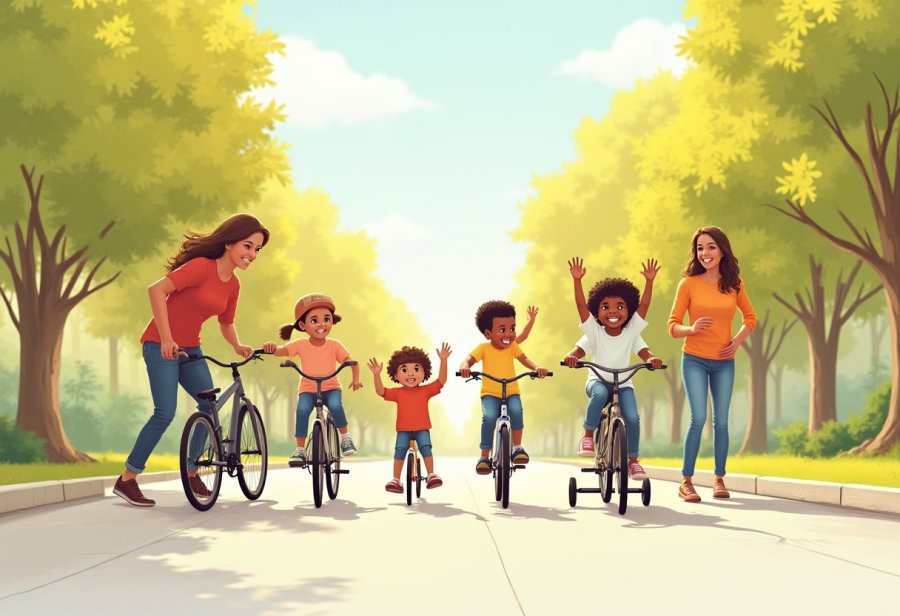
Learning to ride a bike is more than a childhood milestone; it embodies courage, resilience, and the strength of family bonds. But does overcoming the fear of falling outweigh the exhilaration of independence? This journey isn’t solely about mastering balance—it’s about navigating emotional growth, trust, and support. Each wobble and fall teaches patience and perseverance, transforming setbacks into stepping stones. Families become essential teammates, offering reassurance and encouragement that deepen emotional ties. Practical strategies—like choosing safe environments, using training tools, and celebrating small victories—empower children to conquer their fears and build confidence. As children pedal toward independence, they learn vital life lessons about effort, trust, and community that extend far beyond childhood. This shared experience cultivates resilience and self-trust, inspiring a lifelong approach to challenges. Ultimately, learning to ride isn’t just a skill; it’s a powerful metaphor for life’s ups and downs, reminding us that with support, courage, and persistence, any obstacle can be overcome.
Learning to Ride: A Symbol of Courage and Family Bonds
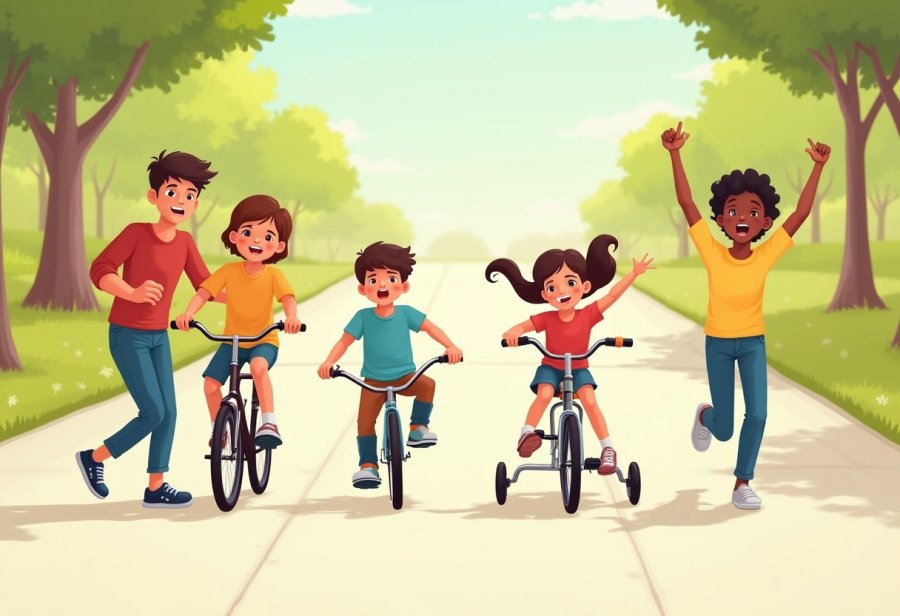
Learning to ride a bike is more than just a childhood milestone; it’s a moment that captures the essence of courage and the strength of family bonds. Those first tentative pedals often come with a mix of excitement and nervousness, as children test their limits for the very first time. Watching them wobble, fall, and then try again is a powerful reminder that growth involves both risk and trust. For parents and siblings, these moments are about more than teaching a skill—they’re about sharing a journey of emotional support and connection.
As kids push off with shaky confidence, families become active participants in their progress. Whether holding the bike steady or cheering from the sidelines, loved ones create a safe space where children can experiment without fear of failure. These shared efforts forge bonds that go beyond words, turning a simple act of riding into a lasting memory of teamwork and encouragement. It’s in these small gestures—offering reassurance or celebrating a tiny victory—that kids learn they’re not walking their path alone.
Riding a bike symbolizes a delicate balance between fear and freedom. Children often hesitate at the edge of trying, overwhelmed by the possibility of falling. But it’s that very fear that makes each successful ride so meaningful. When they finally pedal confidently on their own, they experience a rush of independence that sparks curiosity and confidence. Parents and siblings play a crucial role here, providing steady reassurance that helps children navigate that tension between apprehension and excitement.
This process isn’t just about physical coordination; it’s about emotional growth. Every wobble, fall, and triumphant pedal teaches resilience. When families celebrate small wins together, they help children see setbacks as stepping stones rather than failures. These moments foster perseverance and self-trust—traits that will serve them well well beyond childhood—reminding them that effort, patience, and support can turn obstacles into achievements.
Ultimately, learning to ride a bike deepens family bonds and instills vital life lessons. It’s a shared journey that teaches courage, resilience, and the importance of support. As children learn to trust themselves and their loved ones, they develop confidence that extends into other challenges they will face. These early lessons in independence and emotional strength lay a foundation for a future where perseverance and connection remain central, shaping resilient individuals ready to navigate life’s many roads.
Core Concepts of Riding: Foundations of Growth and Independence
Learning to ride a bike isn’t just about mastering a physical skill; it’s a rich experience that combines motor development with emotional growth. When children wobble and fall, they aren’t simply practicing balance—they’re learning resilience. Each stumble teaches patience, and every time they get back on, they build confidence in their ability to handle setbacks. Over time, these small victories help children trust themselves more, transforming initial hesitations into a sense of mastery and independence.
Riding a bike also stands as a powerful symbol of personal autonomy. As kids pedal confidently, they unlock a feeling of freedom that sparks curiosity and encourages exploration. This sense of independence mirrors broader life challenges—facing fears, putting in effort, and celebrating progress. Learning to ride becomes a metaphor for navigating life’s ups and downs, where persistence and self-trust are key. The physical act of balancing on two wheels embodies a deeper lesson: trusting oneself even amidst uncertainty.
Support from family plays a crucial role in this process. When parents and siblings offer steady guidance and encouragement, they create a safe environment where children feel empowered to try, fail, and try again. Every wobble or fall is met with reassurance, reinforcing that setbacks are a natural part of growth. This support fosters perseverance and resilience, helping children internalize that effort and patience lead to success. It’s these shared moments of encouragement that deepen emotional bonds and make the learning journey meaningful.
The emotional component of learning to ride also involves managing fears and building self-trust. Hesitation often comes from a natural fear of falling, but small successes—like balancing for a few seconds or taking a few confident pedals—help children see themselves as capable. These moments of achievement boost their confidence and foster a sense of control. Riding becomes a lesson in trusting your abilities and pushing past doubt, laying the groundwork for facing future challenges with courage and optimism.
In the end, learning to ride a bike weaves together physical skill, emotional resilience, and family support. It’s a journey that teaches children that setbacks are just stepping stones and that perseverance, combined with encouragement, can turn fears into confidence. These lessons extend far beyond childhood, shaping resilient individuals who understand that growth often involves risk, trust, and community. Riding a bike becomes more than a skill—it’s a lifelong metaphor for courage and connection.
Emotional and Social Growth Through the Ride
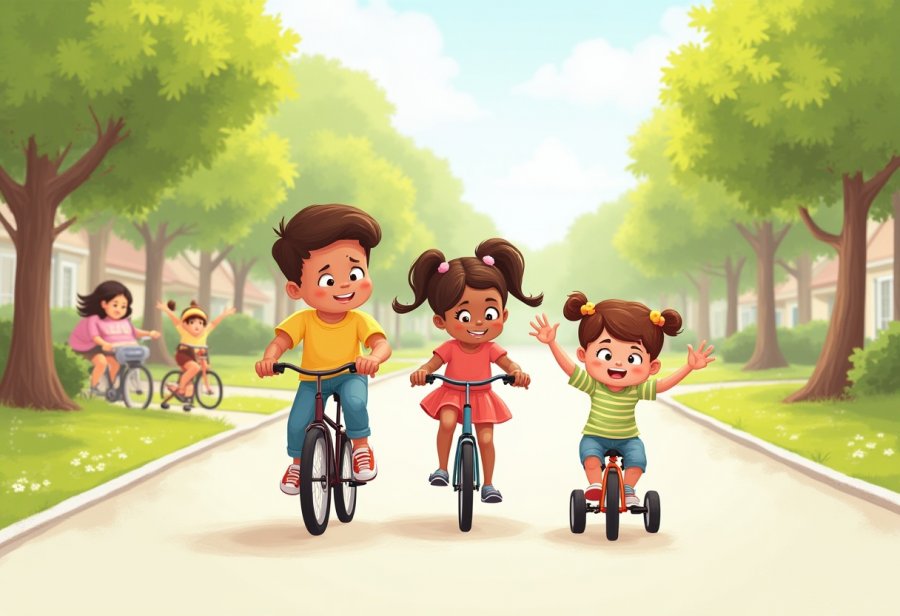
Learning to ride a bike does more than develop physical coordination; it significantly shapes a child’s emotional and social growth. When children face their fears and succeed, they gain confidence that naturally extends into other areas of life, from school to friendships. Overcoming the initial anxiety of wobbling or falling teaches resilience—a vital trait that helps them manage setbacks with calm and persistence. These small victories foster a sense of achievement and reinforce the belief that effort and perseverance lead to progress.
The shared experience of learning to ride deepens family bonds. As children stumble, wobble, and sometimes fall, parents and siblings are right there offering encouragement and reassurance. These moments of collective effort cultivate trust and open communication, transforming a simple skill into a meaningful family ritual. Celebrating tiny wins—like a steady pedal or a brief glide—strengthens emotional connections and reinforces the importance of patience and teamwork.
Confronting fears during the learning process also teaches children about courage and persistence. When hesitant, a gentle word or supportive touch from a loved one can make all the difference. Each time a child gets back on the bike after a wobble, they learn that setbacks are not failures but stepping stones. This understanding nurtures resilience and helps develop a growth mindset, preparing them for future challenges with confidence and optimism.
Balancing feelings of fear and excitement plays a crucial role in building self-trust. Small successes, such as maintaining balance for a few seconds or pedaling confidently, boost a child’s confidence in their abilities. These moments of achievement act as milestones that foster independence and a sense of control. Riding becomes a metaphor for trusting oneself amidst uncertainty, empowering children to face new obstacles with courage.
Beyond individual development, the act of learning to ride influences broader family dynamics. Practice sessions foster patience, communication, and shared goals, creating a supportive environment where progress is celebrated together. These collective efforts show children they are valued and supported, making the journey less intimidating and more enjoyable. Such experiences lay a foundation for emotional security and resilience that extends well beyond childhood.
This process also teaches children that failure and setbacks are natural parts of growth. When families approach wobbling or falling with patience and encouragement, children internalize that perseverance is key. Recognizing and celebrating small steps helps them see their potential and fosters a positive attitude toward challenges. These lessons in persistence and self-trust become lifelong tools for overcoming difficulties.
Learning to ride a bike ultimately becomes a powerful emotional journey that strengthens family bonds and builds vital personal qualities. When loved ones stand by children, offering steady support and encouragement, they help nurture a sense of safety and trust. These shared moments of effort and achievement leave lasting impressions, shaping resilient, confident individuals capable of navigating life’s many roads with optimism and a sense of community.
Practical Strategies to Support Young Cyclists
Supporting children as they learn to ride a bike depends on practical strategies that make the experience safe and enjoyable. Starting in flat, open areas like parks, driveways, or empty parking lots creates a controlled environment where kids can focus on balancing and pedaling without the added stress of traffic or uneven surfaces. These spaces allow children to experiment freely, stumble, and fall without immediate danger, which naturally boosts their confidence and willingness to try again.
Safety gear is essential in this process. Helmets, knee pads, and elbow pads protect children and help them feel secure as they practice. When kids see that their safety is a priority, they’re more likely to embrace the challenge and push past initial fears. Celebrating small milestones—such as maintaining balance for a few seconds or pedaling steadily—can motivate them to keep practicing and reinforce their sense of progress.
Tools like balance bikes or training wheels can ease the transition from walking to riding. Balance bikes help kids develop core steering and balancing skills, making the switch to pedal bikes less intimidating. Training wheels offer early stability, allowing children to learn pedaling and steering with more control. Both approaches reduce anxiety and make the learning process more manageable, encouraging kids to stay engaged even when they wobble or fall.
Patience and positive reinforcement from parents make a significant difference. Kids learn best when they feel supported rather than pressured. Praising their efforts, no matter how small, boosts self-esteem and persistence. If they wobble or fall, a quick reassuring word or a gentle touch reminds them that setbacks are part of learning, not failures. This approach transforms challenges into opportunities to try again and build resilience.
Community programs and instructional videos provide additional support. Local cycling workshops or safety classes offer structured guidance from experienced instructors, making riding feel more fun and less overwhelming. Online tutorials serve as quick, accessible resources for parents, offering tips on how to hold the bike, encourage steady pedaling, or handle tricky situations like turns or braking. These resources can help create a sense of confidence and competence for both kids and their caregivers.
Choosing the right environment for practice is key. Quiet, smooth surfaces with minimal distractions help children focus on developing their riding skills. Avoiding areas with heavy traffic or uneven pavement reduces risks and builds confidence. A calm, predictable setting allows kids to practice at their own pace, making the learning process less stressful and more successful. With consistent support, gentle guidance, and patience, children will find themselves riding confidently and turning this childhood milestone into a positive, lifelong experience.
Final Reflections: Empowering Children on Their Cycling Journey
Learning to ride a bike is more than just acquiring a new skill; it’s a journey that teaches resilience, courage, and the importance of support from loved ones. Every wobble and fall along the way becomes a stepping stone toward confidence, showing children that setbacks are natural and temporary. Celebrating small victories—like balancing a few seconds longer or pedaling without hesitation—builds their belief that effort and persistence lead to progress.
Families play a vital role in this process. The encouragement, patience, and reassurance from parents and siblings create a safe environment where children feel empowered to try, stumble, and try again. These shared moments of effort foster trust and deepen emotional bonds, turning learning into a memorable experience of teamwork and support. When children see their loved ones standing by them, cheering their progress, they develop a sense of security that fuels their independence.
Supporting children through wobbling, falls, and moments of doubt requires patience and understanding. Recognizing that progress isn’t always linear helps both parents and kids stay motivated. Every attempt, whether successful or not, is part of a larger journey of growth. When families approach setbacks with positivity and celebrate every small step forward, children internalize that perseverance and self-trust are essential for overcoming challenges—lessons that extend far beyond riding bikes.
Learning to ride also cultivates self-trust. Small achievements, like maintaining balance or taking confident strides, reinforce a child’s belief in their abilities. These experiences nurture independence and help them understand that trusting themselves—even amidst uncertainty—is key to tackling future obstacles. This confidence becomes a foundation for resilience, encouraging kids to face new challenges with optimism and a growth mindset.
The emotional strength gained from mastering bike riding extends into many areas of life. When families approach each wobble or fall with patience, they teach children that persistence, combined with support, can turn difficulties into successes. These lessons in resilience and trust shape confident, capable individuals who understand that growth often involves risk, effort, and a community of support. Riding a bike becomes a powerful metaphor for navigating life’s ups and downs with courage and optimism.
Finally, supporting children in their early cycling adventures creates lasting memories and deepens family connections. Every shared effort, word of encouragement, and moment of triumph builds a sense of teamwork and mutual trust. These experiences lay a foundation for emotional security and resilience that will serve children throughout their lives. Encouraging their journey with patience and love transforms a childhood milestone into a lifelong lesson—that with perseverance and support, they can conquer any road ahead.
About the Author