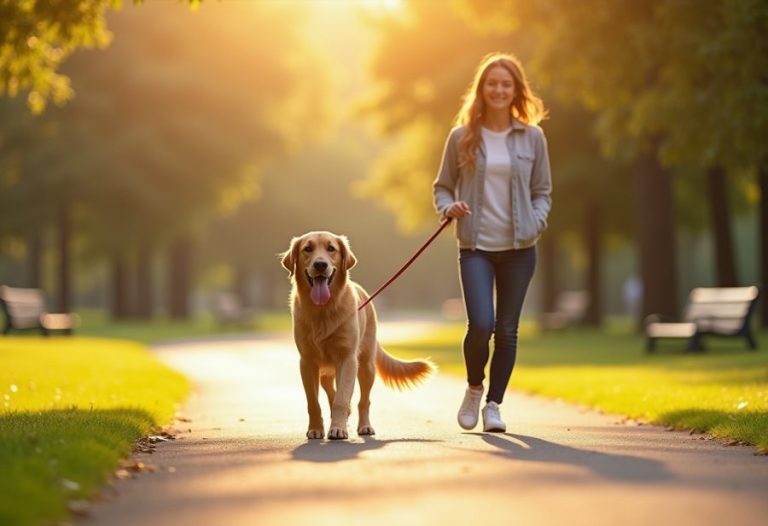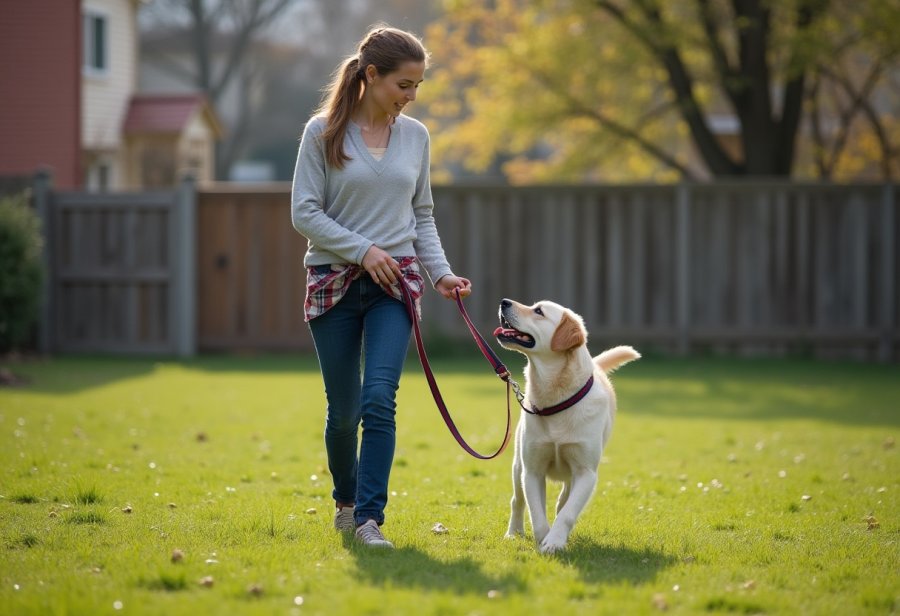
Imagine transforming your daily walks from a chaotic tug-of-war into a peaceful, bonding experience—are you ready to master this art? Teaching your dog to walk calmly at your side isn’t just about obedience; it’s about building trust, confidence, and mutual respect. In this guide, you’ll explore fundamental techniques like positive reinforcement, leash handling, and gradual distraction management, all designed to create a routine that fosters focus and relaxation. But challenges like pulling, distractions, and anxiety can test your patience—how you handle these obstacles determines your success. With consistent practice, gentle redirection, and clear routines, even the most energetic or distracted dogs can learn to walk in harmony. This journey not only makes outings safer and more enjoyable but deepens your connection, turning everyday walks into shared moments of joy and trust. Are you prepared to unlock a new level of peace and companionship with your furry friend?
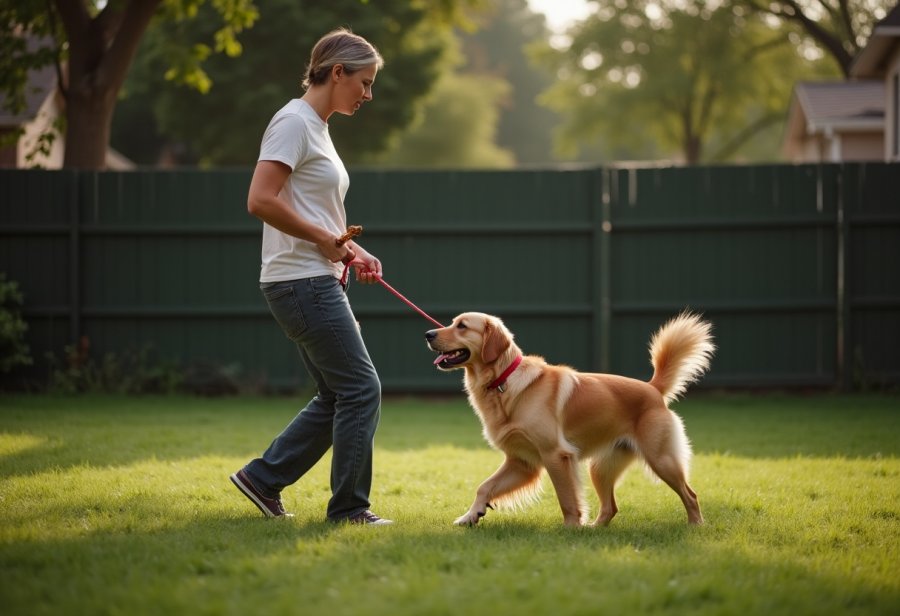
Transform Your Walks: Building Trust and Connection with Your Dog
A calm walk with your dog isn’t just about keeping them from pulling or lunging; it’s about creating a moment of trust and connection. When your dog learns to walk peacefully by your side, it turns what can be a hectic routine into a shared experience rooted in communication. This isn’t just about obedience—it’s about building a bond where both of you feel more relaxed and in sync. A peaceful walk becomes an opportunity to enjoy each other’s company, free from frustration.
Dogs are naturally energetic and curious, which can make walks challenging. They might get distracted by passing cars, noises, or squirrels, causing them to pull ahead or stop suddenly. Recognizing these tendencies helps you develop patience and choose the right training approach. When your dog understands what’s expected, walks become smoother and more enjoyable for everyone involved.
Training your dog to walk calmly also reinforces mutual respect. It teaches them that you are in charge but in a gentle, trusting way. This isn’t about dominance—it’s about establishing routines that make your dog feel secure and confident. As they trust you more, they’ll stay focused and responsive, turning walks into moments of positive interaction and shared success.
A calm walk offers practical benefits, too. It reduces the chances of behavioral issues like pulling or jumping, which can be stressful and even dangerous. When your dog walks at your pace, you gain better control and can ensure everyone’s safety. Most importantly, it makes outings more pleasant and less tiring, encouraging a lifelong enjoyment of walks together.
This guide aims to help you master the art of peaceful leash training. With patience, consistency, and positive reinforcement, you can transform daily walks into moments of connection and joy. Building this skill benefits your dog’s well-being and deepens your relationship, making every outing a shared success.
Fundamentals of Effective Dog Walking: Principles for Success
Effective dog walking starts with understanding some fundamental principles that set the stage for successful training. Positive reinforcement is at the core—reward your dog when they walk calmly or respond correctly to commands. Using treats, praise, or a favorite toy makes good behavior appealing, encouraging your dog to repeat it. Clear, consistent cues like “heel” or “let’s go” help your dog associate specific commands with expected actions, creating a reliable routine.
Patience is essential because dogs learn at different speeds. Rushing or showing frustration only slows progress. Managing distractions gradually builds your dog’s focus and confidence. Start training in quiet areas, then slowly introduce busier environments as they improve. Recognizing your dog’s signals, such as a tense posture or distracted stare, allows you to adjust your approach and keep training positive.
Understanding basic training terms makes communication more natural. “Positive reinforcement” involves rewarding desired behaviors; “heel” guides your dog to walk beside you; “distractions” are external stimuli that divert their attention; and “leash handling” involves managing the leash gently to guide without tension. Familiarity with these concepts fosters trust and cooperation, making training more effective and enjoyable.
Modern leash training emphasizes cooperation over control. A comfortable harness and sturdy leash give your dog a sense of security while giving you control. Focus exercises, like calling your dog’s name and rewarding attention, strengthen their focus in stimulating environments. Practicing in stages—from quiet spots to busier settings—helps your dog develop self-control, making walks calmer and more predictable.
Mastering these fundamentals creates a positive learning environment. Consistency, kindness, and patience help your dog understand what’s expected and build confidence. As routines become routine, walking calmly feels less like training and more like a natural part of your shared life. This shared understanding deepens your bond and sets the foundation for peaceful, joyful walks together.
Deep Dive into Techniques: Mastering Calm and Controlled Walks
Mastering calm walks with your dog involves a blend of consistent techniques and mindful practice. Begin by reinforcing positive behaviors—whenever your dog walks beside you calmly or responds to commands like “heel” or “focus,” reward them immediately. Using treats, praise, or a favorite toy helps your dog associate good behavior with positive outcomes, encouraging repetition. The trick is to be quick with rewards so your dog links their calmness directly to reinforcement, making peaceful walking a desired habit.
Controlling distractions is key as your dog’s focus improves. Start training in quiet, low-stimulation environments where external stimuli are minimal. As your dog gains confidence and attention, gradually introduce busier settings—such as busy streets or parks—while maintaining a calm demeanor. When your dog gets distracted, gently redirect their focus with cues like “look at me,” then reward their attention. Over time, this builds their ability to ignore outside stimuli and stay centered on you, even in more stimulating situations.
Leash handling plays a crucial role in keeping walks peaceful. Keep a relaxed grip, avoiding tension or jerks that can trigger pulling or anxiety. Use your body language to project calmness and confidence, signaling to your dog that you’re in control without creating stress. Gentle corrections paired with positive cues help your dog understand that staying close and attentive is rewarding. Consistency in commands, routines, and reinforcement makes your training more effective and helps your dog feel secure.
Incorporate focus exercises, like calling your dog’s name and rewarding their attention. Practice these in stages—beginning in quiet areas and gradually adding distractions—to help your dog develop self-control. Short, frequent training sessions are more productive than long, overwhelming ones, ensuring your dog remains engaged and motivated. These incremental steps lay the groundwork for a dog that can walk calmly and confidently by your side.
Patience remains your most valuable tool throughout this process. Dogs learn at different speeds, and setbacks are normal. When challenges arise, calmly redirect your dog and reinforce the behaviors you want. Always aim to finish each session on a positive note, celebrating small successes to reinforce good habits. This steady approach turns training into a bonding experience, making peaceful walks an achievable goal for both of you.
With consistent effort and gentle guidance, these techniques become second nature. You’ll notice your dog more reliably walking at your side, relaxed and attentive. This deepened connection transforms routine outings into shared moments of trust and mutual understanding. As you refine your approach, peaceful, joyful walks will become a natural part of your daily life together.
Practical Insights: Actionable Tips for Consistent Training
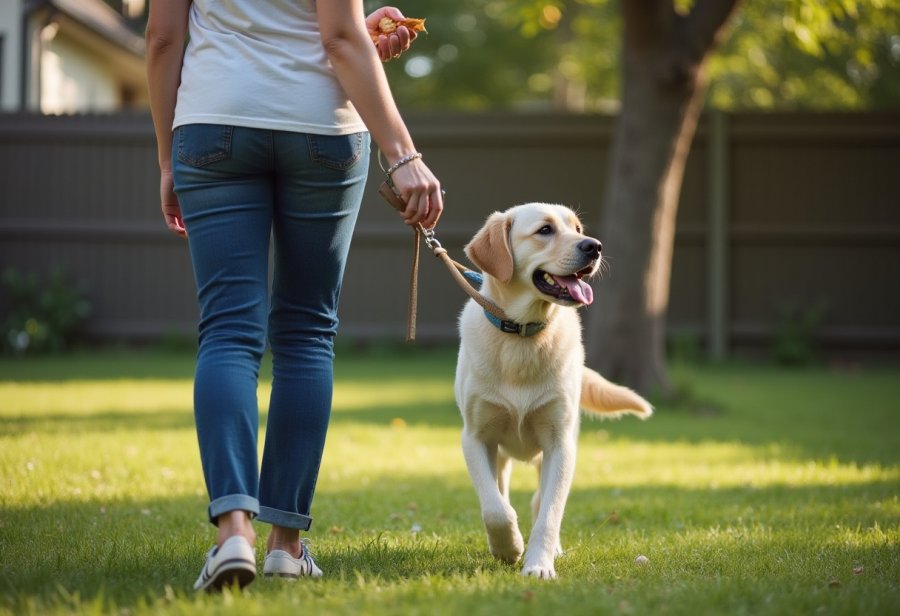
To build a reliable calm walking routine, consistency is your most valuable tool. Start each walk with clear commands like “heel” or “let’s go,” and reward your dog immediately when they respond correctly. Maintaining predictable routines helps your dog understand what’s expected, boosting their confidence and reducing confusion. Short, focused sessions in quiet settings often produce better results than lengthy, chaotic walks that can overwhelm or frustrate your pet. As your dog’s attention improves, gradually increase the duration and introduce mild distractions to strengthen their self-control.
Using treats and praise as your primary reinforcement makes a noticeable difference. When your dog walks calmly, reward generously to make calm behavior more appealing than pulling or lunging. Incorporate treats your dog loves to keep their interest high, and use a calm, encouraging voice to reinforce good manners. Patience is key—dogs learn at different speeds, so staying calm and persistent encourages trust and motivation.
Managing distractions effectively is crucial for steady progress. Begin training in low-stimulation environments, then slowly expose your dog to busier areas once they’re showing improvement. When they get distracted, gently redirect with cues like “look at me,” and reward their focus. Over time, this helps your dog learn to ignore outside stimuli and stay centered on you, even amidst noise and movement.
Leash handling also plays a vital role. Keep a relaxed grip, avoiding tension or jerks that can escalate pulling or anxiety. Use your body language to project calmness and confidence, signaling that you’re in control without creating stress. Consistent routines and positive cues reinforce your dog’s understanding, making training smoother and more effective.
Always end each session on a positive note, praising your dog for their effort and progress. Celebrating small wins keeps them motivated and eager to learn, turning training into a bonding experience. Short, regular sessions prevent overwhelm and help establish good habits that stick.
Track your progress and adapt your approach as needed. Notice which techniques yield the best results and where your dog struggles, then refine your methods accordingly. Patience and persistence turn challenges into opportunities, gradually shaping your dog into a calm, focused walker. With time and consistent effort, peaceful, joyful walks become a natural part of your shared routine, deepening your bond and making each outing a rewarding experience.
Financial Overview: Budgeting for Equipment and Training Support
Training your dog to walk calmly involves a variety of costs that can add up depending on your approach and your pet’s specific needs. Essential equipment includes a well-fitting harness, a sturdy leash, and possibly a training collar or head halter. These tools help create a comfortable and effective leash training setup that can last for years if cared for properly. Investing in quality gear upfront can make a significant difference in your training progress and your dog’s comfort.
Beyond equipment, professional training sessions—whether private lessons or group classes—range from a few hundred to over a thousand dollars. These provide personalized guidance and can accelerate your progress, especially if you’re new to training or facing specific challenges. Additionally, investing in treats, toys, and reinforcement tools like clickers or puzzle feeders helps keep your dog motivated and engaged during training sessions.
Regular practice is key to maintaining and reinforcing good behavior, so budgeting for ongoing training or refresher classes makes sense. While costs can seem substantial initially, many owners see these expenses as investments in a better-behaved, happier pet. The benefits—safer, more peaceful walks and a stronger bond—often outweigh the upfront costs.
There are ways to make training more affordable without sacrificing quality. Community programs, discounts at local pet stores, and online resources offer valuable support and strategies at lower prices. These options can help you stay consistent and effective without breaking the bank, ensuring your journey toward calm, confident walking remains sustainable.
Ultimately, the investment pays off in a more harmonious daily routine. Proper equipment and expert guidance lay the foundation for smoother outings, fewer behavioral issues, and a deeper connection with your dog. Managing costs thoughtfully allows you to focus on what truly matters—building trust, confidence, and joy during every walk together.
Execution Plan: Step-by-Step Implementation of Calm Walking Routines
To start implementing a calm walking routine, choose a quiet, low-distraction area like your backyard or a calm neighborhood street. This helps your dog focus on basic commands such as “heel” or “let’s go” without becoming overwhelmed. Keep the leash loose and your posture relaxed—dogs pick up on your calm energy, which influences their behavior. Before each walk, set simple goals, like maintaining focus for a certain distance or responding correctly to commands. As your dog progresses, gradually increase these targets and introduce mild distractions to challenge their focus.
Consistency is essential. Use the same commands and routines every time to build trust and understanding. This predictability reassures your dog and makes training more effective. Short, focused sessions in quiet environments tend to be more productive than long, chaotic walks, which can cause frustration or overstimulation. Reward your dog immediately with treats, praise, or gentle petting whenever they respond well, reinforcing calmness and attentiveness. If they pull or become distracted, gently redirect their attention with cues like “look at me,” then pause until they refocus before proceeding.
During each walk, stay attentive to your dog’s signals. If they show signs of overstimulation or fatigue, pause the session and give them a break. Ending each session on a positive note by rewarding their effort encourages them to stay motivated and eager for the next walk. Keep a mental or written note of what techniques work best and where challenges arise so you can refine your approach over time. Patience remains key—progress may be slow, but consistent effort will lead to calmer, more focused walks.
As your dog’s attention and self-control improve, slowly introduce moderate distractions, such as passing people or other dogs. Maintain your relaxed demeanor and keep rewards handy to reinforce positive behavior. These small, incremental steps build your dog’s confidence and ability to ignore outside stimuli, fostering a peaceful walking routine. Remember, the goal is to make training feel natural and enjoyable, transforming each walk into a shared opportunity for trust and connection.
Overcoming Obstacles: Strategies for Common Challenges in Dog Walking
Training a dog to walk calmly often comes with its share of hurdles, but knowing how to handle them makes all the difference. Distractions like other dogs, wildlife, loud noises, or passing cars can quickly divert your dog’s attention, causing pulling or stopping. Staying patient and keeping your cool helps your dog stay focused. Using high-value treats or favorite toys to redirect their attention can turn a chaotic moment into an opportunity for reinforcement.
Pulling on the leash is a common issue, especially with eager or curious dogs. Instead of jerking or pulling harshly, pause and gently wait when your dog tugs. When they return to your side, reward with praise or a treat. This teaches them that staying close is more rewarding than pulling ahead, building trust without creating tension.
Anxious or impatient dogs might struggle more in unfamiliar or busy environments. Introducing new sights and sounds gradually, while rewarding calm behavior, helps boost their confidence. When setbacks happen, avoid punishment; instead, calmly redirect and reinforce the behaviors you want. Consistency in commands and routines prevents confusion and builds security, making progress steadier.
Overstimulation during longer walks can lead to fidgeting, barking, or pulling. Recognize these signs early and give your dog a break or change direction. Ending each session positively—despite setbacks—encourages your dog to associate walks with good experiences, keeping motivation high. Remember, patience, persistence, and a calm attitude turn challenges into stepping stones toward reliable, peaceful walks.
About the Author